

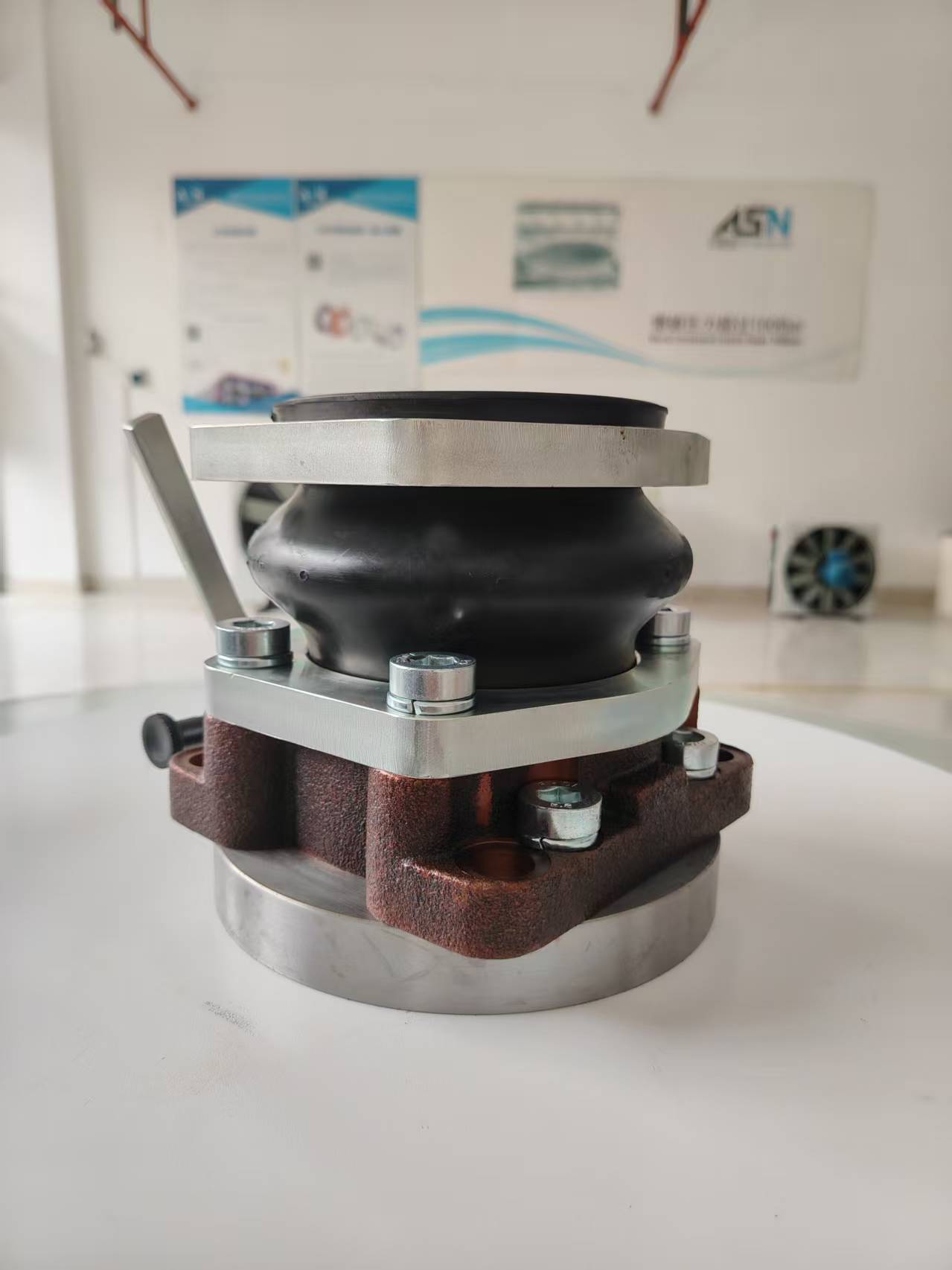


فهم صمام الفراشة من نوع الرقاقة ذات العروة المخروطية
إن صمام فراشة من نوع الرقاقة ذات العروات هو جهاز مدمج للتحكم في التدفق. إن مرونته في التركيب وقدرته على الحفاظ على إحكام غلق جيد تحت ضغوط ودرجات حرارة مختلفة تجعله الخيار المفضل لأنظمة خطوط الأنابيب الحديثة. ومع التوسع الصناعي، المصحوب بزيادة الطلب على التحكم الفعال في السوائل، فإن هذا التصميم الخاص للصمام يستحوذ على اهتمام أكبر نظرًا لطبيعته العملية سواء في التركيبات الجديدة أو في أعمال التعديل التحديثي، حيث يتم ترقية أو تعديل الأنظمة الحالية. يتيح الجمع بين تصميم الوصلة ذات العروة والجسم على شكل رقاقة سهولة تركيب الصمام بين الشفاه، إلى جانب ميزة إضافية تتمثل في إمكانية إزالة الأنابيب في اتجاه مجرى النهر دون الإخلال بالجانب العلوي، مما يجعله مناسبًا للبيئات الحرجة للصيانة.

المفهوم الأساسي لوظائف صمام الفراشة
يُعرَّف صمام الفراشة بأنه صمام حركة دوّارة بربع دورة يُستخدم لإيقاف التدفق وتنظيمه وبدء التدفق. وبسبب أبعاده الهيكلية فقط، فإنه يعمل بشكل أسرع مقارنة بأنواع الصمامات الأخرى، مثل الصمامات الكروية أو صمامات البوابة. يحافظ صمام الفراشة من نوع الرقاقة الملولبة على جميع هذه المزايا الأساسية؛ وفي الوقت نفسه، فإنه يسهل التركيب من خلال توفير فتحات العروات الملولبة بالتوافق مع فتحات عروات خطوط الأنابيب. وتدعم العروات الملولبة الصمام على كلا الجانبين، مما يجعل هذا النوع من الوصلات مناسبًا للتطبيقات التي يجب فيها الحفاظ على العملية عند إزالة أحد جانبي نظام الأنابيب.
سبب أهمية مزيج الرقاقة والعروة
تُعرف الصمامات ذات نمط الرقاقة بجسمها النحيف وخفيف الوزن، إلى جانب سهولة التركيب بين الشفاه. ومع ذلك، فإن تصميم الرقاقة التقليدية ذات التصميم الرقاقيقي من خلال التثبيت بالبراغي حول جسم الصمام يستلزم إغلاق النظام بالكامل لإزالة الأنابيب في اتجاه مجرى النهر. تسمح البنية ذات العروات الجزئية بتثبيت الصمام بشكل مستقل على كلا الجانبين بحيث لا يلزم إزالة سوى جزء من خط الأنابيب. وهذا يجعله مضغوطًا مثل صمام الرقاقة مع توفير الاستقلالية الوظيفية الفعلية - شبكات إمداد المياه، وعمليات الإنتاج الصناعي، وأنظمة التدفئة والتهوية وتكييف الهواء، وخطوط نقل المواد الكيميائية، وغيرها من التطبيقات التي قد تتطلب أو لا تتطلب هذه الميزات إمكانية إزالة خط الأنابيب بالكامل.
الخصائص الإنشائية لصمام الفراشة من نوع الرقاقة ذات العروة
يلعب هيكل صمام الفراشة من نوع الرقاقة ذات العروة دورًا حاسمًا في أدائه. ويساعد فهم مكوناته على توضيح سبب اعتماد هذا التصميم على نطاق واسع في العديد من القطاعات الهندسية.
مواد الجسم والبناء
يُصنع جسم صمام الفراشة من نوع الرقاقة ذات العروة بشكل عام من حديد الدكتايل أو الفولاذ المقاوم للصدأ أو الفولاذ الكربوني. حديد الدكتايل هو أحد المواد الأكثر استخدامًا لأنه غير مكلف ويتمتع بقوة ميكانيكية جيدة ومقاومة للتشوه. ويفضل استخدام وحدات الفولاذ المقاوم للصدأ في البيئات المسببة للتآكل أو البيئات الصحية مثل محطات تحلية المياه وأنظمة المعالجة الكيميائية وكذلك خطوط أنابيب الأغذية. يقلل تصميم الهيكل على شكل رقاقة من الوزن واستخدام المواد مع الحفاظ على صلابة كافية لدعم القرص الدوار والمشغل.
تهيئة العروة ومحاذاة البرغي
تسمح الإدخالات الملولبة في جسم الصمام بالتثبيت المستقل على جانبي الشفاه، مما يزيل البراغي الطويلة ويضمن اتصالاً أكثر أمانًا وقابلية للصيانة. تعزز المحاذاة المناسبة أداء الختم بين خط الأنابيب ومقعد الصمام. نظرًا لأن فتحات العروة ملولبة، فإن أحمال البراغي تتوزع بالتساوي حول واجهة الأنبوب، وبالتالي تقليل الإجهاد وكذلك التشويه سواء أثناء التركيب أو بسبب نبضات الضغط.
تصميم القرص والساق والمقعد
يعد قرص الصمام مكونًا أساسيًا مصممًا لتنظيم التدفق الأمثل بأقل قدر من فقدان الضغط. يتم استخدام مواد مختلفة، مثل الفولاذ المقاوم للصدأ أو برونز الألومنيوم أو الفولاذ المطلي اعتمادًا على نوع الوسائط. يقوم الجذع بنقل عزم الدوران من المقبض أو المشغل وعادة ما يكون مصنوعًا من سبائك الفولاذ عالية القوة لتحمل دورات عديدة من الفتح. توفر المقاعد المطاطية المرنة (EPDM، NBR، Viton) واجهة مانعة للتسرب تضمن أداءً منخفضًا/منخفضًا للتسرب. مواد المقاعد هذه قابلة للاستبدال ويتم اختيارها بناءً على نطاق درجة الحرارة والتوافق الكيميائي وضغط النظام.
قدرات الأداء لصمامات الفراشة من نوع الرقاقة ذات العروة الرقيقة
تساهم خصائص أداء الصمام بشكل كبير في اعتماده الصناعي على نطاق واسع. من ثبات التحكم في التدفق إلى المتانة في الظروف الصعبة، يوفر صمام الفراشة من نوع الرقاقة ذات العروة وظائف متوازنة عبر سيناريوهات تشغيل متعددة.
تصنيفات الضغط ودرجة الحرارة
تتراوح تصنيفات الضغط المتوفرة عادةً لصمامات الفراشة من نوع الرقاقة ذات العروات من PN10 إلى PN25 أو الفئة 150، اعتمادًا على مواصفات المادة. ويمكن أيضًا تصنيف الإصدارات المتخصصة أعلى من ذلك. تصنيف درجة الحرارة هو عامل من مواد المقعد والجسم؛ على سبيل المثال، يغطي مقعد EPDM نطاق درجات حرارة معتدلة، في حين يمكن التعامل مع درجات الحرارة العالية والمواد الكيميائية العدوانية بواسطة تصميمات فيتون أو PTFE المبطنة.
كفاءة التدفق والأداء Cv
توفر صمامات الفراشة خصائص تدفق جيدة. في معظم التصاميم، يتحرك القرص خارج مسار التدفق ويترك ممر انسيابي للجسم من أجل التدفق. وهذا يزيد من معدل التدفق ويقلل من استهلاك الطاقة. يتم اختيار صمام الفراشة من نوع الرقاقة ذات العروة بسبب خاصية منحنى التحكم المحددة والقدرة على إجراء عملية الاختناق في نظام منخفض أو متوسط الضغط.
موثوقية الختم وفئة التسرب
وتحقق الصمامات المبطنة باللدائن عمومًا مستويات عالية من الإغلاق الكافي لتطبيقات الإغلاق المحكم. تفي العديد من صمامات الفراشة من نوع الرقاقة ذات العروات بمعايير التسرب مثل الفئة السادسة أو متطلبات إحكام الإغلاق الفقاعي. يوفر التركيب ذو العروة أمانًا إضافيًا لإحكام الإغلاق حيث يتم الاحتفاظ بالصمام بإحكام حتى في ظروف الضغط غير المتماثل.
الاستخدامات الصناعية لصمام الفراشة من نوع الرقاقة ذات العروة الرقيقة
يتم اختيار صمام الفراشة من نوع الرقاقة ذات العروة في مختلف الصناعات بسبب متانته وسهولة تركيبه وملاءمته لكل من الوسائط السائلة والغازية.
معالجة المياه وتوزيعها
يعد التحكم الموثوق في التدفق والتشغيل المستمر أمرًا بالغ الأهمية في أنظمة المياه البلدية. إن قدرة الصمام على عزل التدفقات تسمح لفرق الصيانة بإزالة خطوط الأنابيب في اتجاه مجرى النهر مع الحفاظ على نشاط الأجزاء العلوية. كما أن مواده المقاومة للتآكل تجعله مناسبًا للاستخدام في محطات معالجة المياه وخطوط الترشيح ومحطات الضخ.
التدفئة والتهوية وتكييف الهواء والبنية التحتية للمباني
يتم توزيع التدفئة والتهوية والتبريد بكفاءة في المباني التجارية الكبيرة من خلال حلقات المياه المبردة وأبراج التبريد والغلايات وأنظمة الأنابيب المساعدة. يتناسب صمام الفراشة من نوع الرقاقة ذات العروة بشكل مثالي مع هذه الأنظمة. إن تشغيله بربع دورة يجعل موازنة النظام أمرًا سهلاً، وبالتالي تحسين وقت الاستجابة أثناء الإغلاق في حالات الطوارئ.
المعالجة الكيميائية والتصنيع الصناعي
تتطلب المصانع الكيميائية صمامات قادرة على التعامل مع مجموعة من السوائل التفاعلية. إن خيارات الفولاذ المقاوم للصدأ المقاوم للتآكل وخيارات السبائك الخاصة، إلى جانب المقاعد ذات درجة الحرارة العالية لظروف المعالجة الأكثر عدوانية، تجعل هذا المزيج مثاليًا. خاصية الفصل الآمن لخط الأنابيب تجعلها مناسبة للاستخدام في الأنظمة التي تكون فيها الاستمرارية التشغيلية مهمة للسماح بالفصل الآمن لخط الأنابيب أثناء التشغيل.
شبكات توزيع النفط والغاز
عادةً ما يتم تركيب صمامات الفراشة في جانب الضغط المنخفض لخطوط أنابيب النفط والغاز. ومع ذلك، فإن صمام الفراشة من نوع الرقاقة ذات العروات يحظى بتقدير كبير لثباته الهيكلي وسهولة عزله. يمكن ذكر خطوط الوقود المضافة بسهولة أو أنظمة تدوير زيت التشحيم أو أي شبكة أنابيب مساعدة تتدفق من خلالها لتحسين كفاءة العملية من خلال التحكم في التدفق كأحد مجالات التطبيق الرئيسية.
مزايا التركيب لصمام الفراشة من نوع الرقاقة ذات العروة
مرونة التركيب هي السمة المميزة لتصميم هذا الصمام. يقدِّر المهندسون وفنيو الصيانة كيف أن التكوين المزود بعروة يبسِّط المحاذاة ويقلل من وقت التعطل.
التوافق مع معايير الشفة المختلفة
تم تصميم العروات الملولبة لتتناسب مع مواصفات الشفة المختلفة، بما في ذلك ANSI وDIN وJIS وغيرها من المعايير الإقليمية. هذه الشمولية تجعل صمام الفراشة من نوع الرقاقة الملولبة مناسبًا للمشاريع الدولية حيث تكون قابلية التبادل والتوصيلات الموحدة ضرورية.
إزالة خط الأنابيب المستقل
يمكن إزالة أنابيب المصب دون الإخلال بمكونات المنبع. وتصبح هذه الميزة مفيدة للغاية في المنشآت الصناعية الكبيرة حيث يكون الوقت وبالتالي التكلفة التي يتم توفيرها من خلال القدرة على عزل جزء فقط من خط الأنابيب للصيانة أو الفحص أمرًا مهمًا.
هيكل خفيف الوزن لسهولة التعامل معه
على عكس الصمامات ذات الحواف الثقيلة، يقلل الهيكل المصمم على شكل رقاقة من الوزن الإجمالي، مما يسهل رفع الصمام ووضعه وتثبيته في مكانه. يقلل الوزن المنخفض من متطلبات عمالة التركيب ويسمح بتركيب الصمام في الأماكن الضيقة أو المرتفعة دون الحاجة إلى معدات رفع ثقيلة.
اعتبارات الصيانة والتشغيل
صُمم صمام الفراشة من نوع الرقاقة ذات العروة مع مراعاة الموثوقية على المدى الطويل، ولكن ممارسات الصيانة المناسبة تضمن الأداء الأمثل وعمر الخدمة الطويل.
استبدال المقعد المبسط
صُممت المقاعد المصنوعة من الإيلاستومر للاستبدال السريع بمجرد ظهور علامات التآكل أو التصلب أو التدهور الكيميائي. ونظرًا لإمكانية فصل الصمام من جانب واحد، يمكن تغيير المقاعد دون تفكيك هيكل خط الأنابيب بالكامل.
الفحص الروتيني للقرص والساق
مع مرور الوقت، يمكن ملاحظة تآكل القرص والساق مع مرور الوقت، أو تآكل الوسائط الكاشطة أو التآكل على القرص والساق. يجب أن يساعد الفحص المنتظم المشغل على تحديد أداء الختم وكذلك متطلبات عزم الدوران. ومن ثم، فإن الاكتشاف المبكر للتآكل سيضمن عدم حدوث أي اضطراب في التشغيل وأيضًا تجنب الإغلاق الطارئ.
خيارات المشغل للتحكم الآلي
يمكن تزويد صمام الفراشة من نوع الرقاقة ذات العروة برافعة يدوية أو مشغل كهربائي أو هوائي أو هيدروليكي. وهذا يقلل من وقت الاستجابة من خلال أتمتة النظام، وبالتالي ضمان السلامة في المناطق الخطرة، ويتيح دمج أنظمة التحكم الرقمية. تضمن المعايرة المتكررة حرية حركة المشغل وكذلك تنظيم التدفق السليم.
لماذا تستمر الصناعات في اختيار صمام الفراشة من نوع الرقاقة ذات العروة
وتعزى الشعبية المستمرة لصمام الفراشة من نوع الرقاقة ذات العروة إلى أدائه متعدد الاستخدامات وقدرته على التكيف مع مجموعة واسعة من الظروف الصناعية.
فعالية التكلفة في تصميم النظام
بالمقارنة مع الصمامات ذات الحواف الثقيلة، تقدم موديلات الرقاقات ذات العروات حلاً أكثر اقتصادًا دون المساس بالكفاءة التشغيلية. سهولة تركيبها تقلل من تكاليف العمالة، بينما يقلل تركيبها المتين من نفقات الصيانة على المدى الطويل.
المرونة عبر أنواع السوائل
سواء أكان التعامل مع الماء أو البخار أو الهواء أو المواد الكيميائية أو الملاط، فإن صمام الفراشة من نوع الرقاقة ذات العروة يتكيف من خلال اختيارات مختلفة من المواد. هذه القدرة على التكيف توسع قابليتها للتطبيق في كل قطاع صناعي تقريبًا يعتمد على التحكم في السوائل.
دعم هيكلي قوي
توفر العروة الملولبة ثباتًا أثناء التركيب وأيضًا أثناء التشغيل. وهذه ميزة مهمة في النظام حيث توجد اهتزازات أو نبضات ضغط أو حتى تمدد حراري للنظام. الثبات الذي يحققه الصمام في ظل هذه الظروف يجعله موثوقًا للاستخدام في الخدمات الصارمة.
الاتجاهات المستقبلية التي تحدد شكل تطوير صمامات الفراشة من نوع الرقاقة ذات العروة
مع تطور الصناعات، يتطور تصميم صمامات الفراشة وقدراتها. تستمر الابتكارات في المواد والأتمتة والممارسات الهندسية في رفع مستوى أداء صمام الفراشة من نوع الرقاقة ذات العروات.
التطورات المادية للبيئات القاسية
يستثمر المصنعون في السبائك المتقدمة والطلاءات المركبة والبطانات المقاومة للتآكل لتلبية احتياجات العمليات الكيميائية العدوانية ودرجات الحرارة القصوى. وتهدف هذه التحسينات إلى تحسين طول عمر الصمامات وتقليل تكرار الصيانة.
التكامل مع أنظمة المراقبة الذكية
تعمل الرقمنة على تحويل أنظمة التحكم في السوائل. يمكن لأجهزة الاستشعار الذكية مراقبة عزم الدوران وظروف التدفق ودرجة الحرارة والضغط في الوقت الفعلي. سيؤدي دمج هذه التقنيات في صمام الفراشة من نوع الرقاقة ذات العروة إلى تمكين الصيانة التنبؤية وتحسين كفاءة النظام.
الاستدامة وكفاءة الطاقة
تتجه التصاميم الموفرة للطاقة ذات التسرب المنخفض والضغط المنخفض الموفر للطاقة. إن البناء خفيف الوزن لصمامات الفراشة يساهم بالفعل في الاستدامة من خلال تقليل استهلاك المواد، وربما يؤدي التطوير المستقبلي إلى تحسين شكل التدفق من أجل عملية موفرة للطاقة.
الخاتمة
لا يزال صمام الفراشة من نوع الرقاقة ذات العروة يمثل مكونًا مهمًا في أنظمة خطوط الأنابيب الصناعية الحديثة نظرًا لمزيجها الفريد من القوة الهيكلية وسهولة التركيب والأداء الموثوق به في التحكم في التدفق. يدمج تصميمها الهجين بين صمامات الرقاقة المدمجة مع إمكانيات التثبيت الآمن لتكوينات العروة، مما يجعلها ذات قيمة في كل من مشاريع الإنشاءات الجديدة ومشاريع التعديل التحديثي. وسواء تم استخدامه في معالجة المياه أو المعالجة الكيميائية أو شبكات التدفئة والتهوية وتكييف الهواء أو توزيع النفط والغاز، فإن الصمام يوفر إحكامًا يمكن الاعتماد عليه ومعالجة فعالة للتدفق ومرونة تشغيلية. ومع استمرار التطورات في المواد والتقنيات الرقمية في تشكيل صناعة الصمامات، فإن صمام الفراشة من نوع الرقاقة ذات العروات سيظل الحل المفضل للمهندسين الذين يبحثون عن المتانة والأداء والقيمة طويلة الأجل في أنظمة إدارة السوائل.