

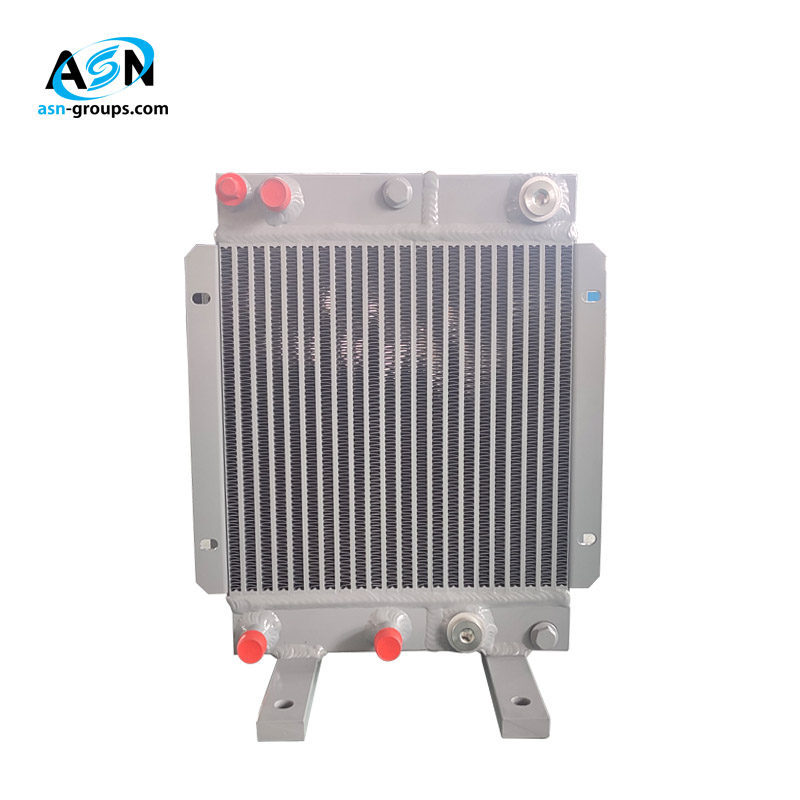

الإدارة الحرارية الفعالة للحرارة أمر بالغ الأهمية في الأنظمة الهيدروليكية والآلات الصناعية ومعدات الطاقة. يمكن أن تقلل درجة حرارة الزيت المفرطة من كفاءة التشحيم وتسرع من تآكل المكونات وتؤثر على موثوقية النظام بشكل عام. من بين العديد من المبردات المتاحة، كان ولا يزال النوع الأنبوبي ذو التدفق المعاكس هو الخيار الأكثر استخدامًا وموثوقًا به على نطاق واسع بسبب الأداء المستقر والهيكل القوي وكفاءة نقل الحرارة العالية.
اختيار المناسب مبرد زيت أنبوبي عكسي التدفق تتضمن اعتبارات تتجاوز أبعاد المطابقة الأساسية. وتشمل هذه العوامل ظروف التشغيل، وخصائص الزيت، وتكوين التدفق، بالإضافة إلى المواد التي سيتم استخدامها والصيانة على المدى الطويل. يهدف هذا الدليل الخاص بكيفية اختيار مبرد الزيت الأنبوبي ذي التدفق المعاكس للتطبيق الخاص بك إلى مساعدة المهندسين والمشترين الآخرين ومصممي الأنظمة على اتخاذ قرارات مستنيرة.
فهم مبردات الزيت الأنبوبية ذات التدفق المعاكس
ما هو مبرد الزيت الأنبوبي ذو التدفق المعاكس؟
إن مبرد الزيت الأنبوبي ذو التدفق المعاكس هو نوع معين من المبادلات الحرارية ذات الغلاف والأنبوب، حيث يتم استخدام الماء أو الهواء كوسيط تبريد لتبريد الزيت الهيدروليكي أو زيت التشحيم. أكثر ما يميزه هو أنه يسمح للزيت الساخن وسائل التبريد بالتدفق في اتجاهين متعاكسين (التدفق المعاكس).
هذا الاختلاف الأقصى في درجة الحرارة على طولها يجعلها أكثر كفاءة من تصميم التدفق المتوازي، حيث يتحرك كلا المائعين في نفس الاتجاه.

سبب أهمية تصميم التدفق المعاكس
في عملية التبادل الحراري بالتدفق المعاكس، يتم تلامس الزيت الأكثر سخونة مع سائل التبريد الأكثر دفئًا، وفي الطرف المقابل، يتم تلامس الزيت الأكثر برودة مع سائل التبريد الأكثر برودة. وهذا يوفر نقل حرارة أكثر اتساقًا ويسمح أيضًا بوصول درجة حرارة مخرج الزيت إلى درجة حرارة مدخل وسيط التبريد.
ومن ثم، يفضل استخدام مبردات الزيت الأنبوبية ذات التدفق المعاكس في حالة وجود متطلبات صارمة للتحكم في درجة الحرارة، إلى جانب الأداء الثابت.
الاستخدامات الرئيسية لمبردات الزيت الأنبوبية ذات التدفق المعاكس
الأنظمة الهيدروليكية
تحتاج المعدات الهيدروليكية إلى زيت للحفاظ على لزوجته بحيث يمكن الاحتفاظ بالضغط وإنجاز العمل بكفاءة. تُستخدم مبردات الزيت الأنبوبية ذات التدفق المعاكس بشكل عام في وحدات الطاقة الهيدروليكية أو المكابس أو الماكينات المتحركة للتحكم في درجة حرارة الزيت تحت أحمال متفاوتة.
وهي مصممة بشكل قوي للتطبيقات التي ستعمل فيها بشكل مستمر، وكذلك في ظروف التدفق المتقلب.
الآلات الصناعية ومعدات التصنيع
في البيئات الصناعية، تساعد مبردات الزيت في حماية علب التروس والضواغط وأدوات الماكينات من الإجهاد الحراري. توفر مبردات الزيت الأنبوبية ذات التدفق المعاكس تبريدًا موثوقًا حتى في الظروف الصعبة مثل درجات الحرارة المحيطة العالية أو دورات العمل الشاقة.
توليد الطاقة وأنظمة الطاقة
تبريد الزيت أمر بالغ الأهمية في معدات توليد الطاقة، بما في ذلك التوربينات والمولدات. تدعم مبردات الزيت الأنبوبية ذات التدفق المعاكس الأداء الحراري المتناسق، مما يساهم في استقرار النظام وإطالة عمر المكونات.
تقييم متطلبات التبريد
تحديد الحمل الحراري
تتمثل الخطوة الأولى في اختيار مبرد الزيت الأنبوبي ذي التدفق المعاكس في تحديد الحمل الحراري المراد إزالته من النظام. يعتمد الحمل الحراري بشكل أساسي على ضغط التشغيل ومعدل التدفق، بالإضافة إلى نوع الزيت وكفاءة النظام.
سيضمن التقدير الصحيح للأحمال الحرارية أن مبرد الزيت المحدد سيكون قادرًا على الحفاظ على درجة حرارة الزيت ضمن الحدود المرغوبة في الظروف العادية والظروف القاسية.
نطاق درجة حرارة الزيت المستهدفة
نطاقات درجات الحرارة المثلى للأنظمة المختلفة. يزيد تبريد الزيت أكثر من اللازم من لزوجته ويقلل من كفاءته، بينما يؤدي التبريد غير الكافي إلى ارتفاع درجة الحرارة.
ستساعد معرفة درجة حرارة التشغيل المطلوبة في اختيار كل من حجم مبرد الزيت وسعته (مستوى الأداء) بشكل صحيح.
فهم خصائص النفط
نوع الزيت واللزوجة
تتميز الزيوت الهيدروليكية وزيوت التشحيم والسوائل المتخصصة بخصائص حرارية مختلفة. تؤثر لزوجة الزيت على سلوك التدفق وأداء نقل الحرارة داخل الأنابيب.
قد تتطلب الزيوت ذات اللزوجة العالية أسطح نقل حرارة أكبر أو سرعات تدفق أقل لتحقيق تبريد فعال.
الملوثات ونظافة الزيت
في تلك الأنظمة التي قد يكون فيها الزيت ملوثًا أو يحتوي على جزيئات، يصبح التصميم الداخلي لمبرد الزيت الأنبوبي مهمًا. يوفر الأنبوب ذو السطح الأملس، إلى جانب السرعة المناسبة، مقاومة للقاذورات وبالتالي يحافظ على الكفاءة في نقل الحرارة.
يعتمد التخطيط للصيانة ودمج الفلاتر أيضاً على مدى نظافة الزيوت التي نريدها أن تكون نظيفة.
اختيار تكوين التدفق الصحيح
التدفق المعاكس مقابل التدفق المتوازي
تسمح تصاميم التدفق المتوازي بدخول كلا السائلين من نفس الطرف، ولكنه تكوين تدفق معاكس يوفر متوسط فرق أعلى في درجة الحرارة وبالتالي ينتج عنه كفاءة حرارية أفضل بالإضافة إلى ضمان أداء تبريد ثابت.
في الحالات التي تكون فيها المساحة قيدًا مهمًا أو إذا كان يجب أن يكون هناك تحكم صارم في درجات الحرارة، يفضل استخدام مبردات الزيت الأنبوبية من النوع المعاكس التدفق بشكل عام.
التصاميم أحادية التمرير مقابل التصاميم متعددة التمرير
يعني التصميم أحادي المرور أن الزيت يتدفق عبر الأنابيب مرة واحدة. أما الممر المتعدد فيعني توجيه الزيت عبر أكثر من ممر واحد لزيادة وقت نقل الحرارة. عندما تكون هناك حاجة إلى قدرة تبريد أعلى ضمن مساحة مدمجة، يصبح التكوين متعدد الممرات مفيدًا.
يعتمد الاختيار على قيود المساحة وحدود انخفاض الضغط ومتطلبات الأداء.
اختيار المواد والبناء
مواد الأنابيب
يؤثر اختيار مادة الأنبوب على مقاومته للتآكل وكفاءة نقل الحرارة وعمره الافتراضي. المواد الشائعة الاستخدام هي سبائك النحاس والفولاذ المقاوم للصدأ والفولاذ الكربوني.
تتميز الأنابيب النحاسية بخصائص ممتازة لنقل الحرارة. ويتميز الفولاذ المقاوم للصدأ بمقاومة أفضل للتآكل في البيئات القاسية.
مواد الغلاف والسكن
يجب أن يكون الغلاف قادرًا على تحمل ضغط التشغيل الداخلي وكذلك التعرض للعناصر. وفي معظم التطبيقات الصناعية، يتم تحديد غلاف فولاذي من أجل المتانة؛ ومع ذلك، في الوحدات خفيفة الوزن أو وحدات المبرد المبردة بالهواء، فإن الغلاف المصنوع من الألومنيوم شائع أيضاً.
يجب أن تكون المادة متوافقة مع الزيت وسائل التبريد؛ وعادةً لا تتفاعل مع أي منهما خلال فترة الخدمة.
تكامل مشعاع الزعانف الألومنيوم
في بعض مبردات الزيت الأنبوبية ذات التدفق المعاكس، على جانب تبديد الحرارة بالهواء، يتم استخدام مشعات زعانف الألومنيوم. قابل للتطبيق عمليًا في مثل هذه الأنظمة حيثما يكون توافر الماء محدودًا للاستخدام كنظام تبريد بالهواء أو نظام تبريد هجين.
يزيد استخدام الزعانف المصنوعة من الألومنيوم من مساحة السطح وبالتالي يحسّن من كفاءة التبريد الكلية.
اعتبارات وسيط التبريد
مبردات الزيت المبردة بالماء
توفر مبردات الزيت الأنبوبية الأنبوبية ذات التدفق المعاكس المبردة بالماء كفاءة عالية في نقل الحرارة وأداء مستقر. وهي تستخدم عادةً في المنشآت الصناعية الثابتة حيث يتوفر إمداد مياه موثوق به.
يجب مراعاة جودة المياه ودرجة الحرارة ومعدل التدفق لمنع التقشر أو التآكل.
أنظمة تبريد الهواء والأنظمة الهجينة
في التطبيقات المتنقلة أو البعيدة، قد تكون أنظمة تبريد الهواء أكثر عملية. تعتمد مبردات الزيت الأنبوبية الأنبوبية ذات التدفق المعاكس المبردة بالهواء على تدفق الهواء والأسطح ذات الزعانف لتبديد الحرارة.
تجمع التصميمات الهجينة بين تبريد الماء والهواء لتحقيق التوازن بين الأداء والمرونة.
قيود الضغط ومعدل التدفق
انخفاض الضغط المسموح به
سيؤدي الانخفاض الكبير في الضغط عبر مبرد الزيت إلى فقدان النظام للكفاءة واستهلاك المزيد من الطاقة في النهاية. عند اختيار مبرد الزيت الأنبوبي من النوع الأنبوبي ذي التدفق المعاكس، يجب مراعاة انخفاض الضغط بحيث يكون ضمن الحدود المسموح بها.
تؤثر جميع هذه المعلمات الثلاثة - قطر الأنبوب وطوله وتكوين التدفق على فقدان الضغط.
مطابقة معدلات التدفق
يجب أن يستوعب مبرد الزيت معدل تدفق الزيت في النظام دون التسبب في تآكل مرتبط بالاضطراب أو عدم كفاية نقل الحرارة. تضمن مطابقة تصميم المبرد مع نطاق التدفق المتوقع أداءً مستقرًا عبر ظروف التشغيل.
الظروف البيئية والتشغيلية
درجة الحرارة المحيطة والمناخ المحيط
تقلل درجات الحرارة المحيطة العالية من فعالية أنظمة تبريد الهواء وقد تتطلب مبردات زيت أكبر أو أكثر كفاءة. في البيئات الباردة، قد تكون الحماية من التجمد والصدمات الحرارية ضرورية.
يساعد فهم مناخ التشغيل على تحديد ميزات التصميم المناسبة.
التشغيل المستمر مقابل التشغيل المتقطع
تضع الأنظمة التي تعمل بشكل مستمر متطلبات مختلفة على مبردات الزيت مقارنةً بمعدات العمل المتقطع. يتطلب التشغيل المستمر بنية قوية وأداء ثابت لنقل الحرارة على مدى فترات طويلة.
تؤثر اعتبارات دورة التشغيل على التحجيم واختيار المواد.
التثبيت والتكامل
متطلبات المساحة والتركيب
تؤثر مساحة التركيب المتاحة على حجم مبرد الزيت وتكوينه. يمكن تركيب مبردات الزيت الأنبوبية ذات التدفق المعاكس أفقياً أو رأسياً، اعتماداً على التصميم وتخطيط النظام.
يضمن التركيب المناسب التوزيع الفعال للتدفق وسهولة الصيانة.
التوافق مع الأنظمة الحالية
التكامل مع الأنابيب والمضخات وأنظمة التحكم الموجودة أمر بالغ الأهمية. يجب أن تتماشى أحجام التوصيلات واتجاه التدفق وصمامات التحكم مع متطلبات النظام لتجنب مشاكل الأداء.
يعمل التخطيط المبكر على تبسيط عملية التركيب والتشغيل.
الصيانة والأداء على المدى الطويل
اعتبارات التلوث والتنظيف
بمرور الوقت، يمكن أن يقلل التلوث من كفاءة نقل الحرارة. يساعد اختيار التصميمات التي تسمح بسهولة التنظيف أو استبدال الأنبوب في الحفاظ على الأداء على المدى الطويل.
الفحص المنتظم وتخطيط الصيانة ضروريان للتشغيل الموثوق.
المتانة وعمر الخدمة
تساهم المواد عالية الجودة والحجم المناسب والتركيب الصحيح في إطالة عمر الخدمة. تُقدَّر مبردات الزيت الأنبوبية ذات التدفق المعاكس بمتانتها في البيئات الصناعية الصعبة.
يؤدي اختيار تصميم يتوافق مع ظروف التشغيل إلى تقليل وقت التعطل غير المتوقع.
الموازنة بين التكلفة والأداء
التكلفة الأولية مقابل قيمة دورة الحياة
في حين أن مبردات الزيت الأعلى أداءً قد تكون تكلفتها الأولية أعلى، إلا أنها غالبًا ما توفر قيمة أفضل على المدى الطويل من خلال تحسين الكفاءة وتقليل الصيانة وعمر خدمة أطول.
تقييم التكلفة الإجمالية لدورة الحياة يدعم اتخاذ قرارات استثمارية أفضل.
تجنب المبالغة في التصميم والتصغير في الحجم
يزيد الإفراط في التصميم من التكلفة ومتطلبات المساحة، في حين أن التصميم الزائد يزيد من التكلفة ومتطلبات المساحة، بينما يؤدي التصميم الأقل من الحجم إلى مخاطر ارتفاع درجة الحرارة وتلف النظام. يساعد التقييم الدقيق لاحتياجات التشغيل الفعلية على تحقيق التوازن الصحيح.
تضمن مطابقة الأداء مع متطلبات التطبيق التشغيل بكفاءة وفعالية من حيث التكلفة.
اعتبارات السلامة والامتثال
معايير الضغط والسلامة
يجب أن تتوافق مبردات الزيت الأنبوبية ذات التدفق المعاكس مع معايير أوعية الضغط ومعايير السلامة المعمول بها. تختلف هذه المتطلبات حسب المنطقة والاستخدام ولكنها ضرورية للتشغيل الآمن.
يضمن التحقق من الامتثال الموثوقية والقبول التنظيمي.
لوائح البيئة وكفاءة الطاقة
تتزايد أهمية كفاءة الطاقة والاعتبارات البيئية في التصميم الصناعي. يساهم التبريد الفعال بالزيت في تقليل استهلاك الطاقة وتحسين استدامة النظام.
يدعم اختيار مبرد الزيت الأنبوبي ذو التدفق المعاكس الفعال الأهداف التشغيلية الأوسع نطاقاً.
إجراء الاختيار النهائي
ينطوي اختيار مبرد الزيت الأنبوبي ذي التدفق المعاكس للتطبيق على فهم متطلبات النظام والظروف التي سيعمل في ظلها والمعايير المتعلقة بأدائه. يمكن تحديد الحل الذي يوفر تبريدًا موثوقًا وفعالًا بناءً على الحمل الحراري، وخصائص الزيت المتدفق عبر المبرد/المواد المستخدمة في البناء (الملامسة للسوائل)، وتكوين التدفق داخل المبادل، بالإضافة إلى سهولة/الحاجة إلى الصيانة.
يحمي مبرد الزيت الأنبوبي ذو التدفق المعاكس الذي يتم اختياره بشكل منهجي الأجزاء الحيوية أولاً وقبل كل شيء ثم يحسن الأداء الكلي للنظام واستقراره وعمره. يضمن اتباع نهج مدروس ومنتظم أن مبرد الزيت المختار يلبي المتطلبات التشغيلية الفورية وكذلك طويلة الأجل على أفضل وجه.