


In many industrial environments, heat is not just a side effect of operation—it is an unavoidable engineering challenge. Hydraulic machinery, heavy equipment, construction systems, and industrial production lines all generate significant thermal energy during continuous operation. When that heat accumulates inside lubricating oil or hydraulic oil, the consequences quickly begin to appear: viscosity drops, component wear accelerates, seals deteriorate, and overall system efficiency declines.
Oil temperature control, therefore, becomes a critical part of equipment reliability. A stable thermal balance ensures that lubricants maintain their protective properties and that moving components operate within safe mechanical tolerances. This is where oil cooling equipment plays an essential role.
Among the many types of industrial heat exchangers available, the tubular oil cooler has long been regarded as one of the most durable and reliable solutions for oil and water cooling systems. Its structure allows it to handle high pressures, heavy loads, and demanding operating conditions commonly found in construction equipment, hydraulic systems, power generation facilities, and marine machinery.
Choosing the right tubular oil cooler is not simply a matter of selecting a standard model. Engineers and procurement teams must consider several technical factors, such as heat transfer capacity, system flow rate, operating pressure, materials, and installation conditions. A well-matched cooling system can extend equipment lifespan, reduce downtime, and improve operational efficiency.
What Is a Tubular Oil Cooler and How Does It Work
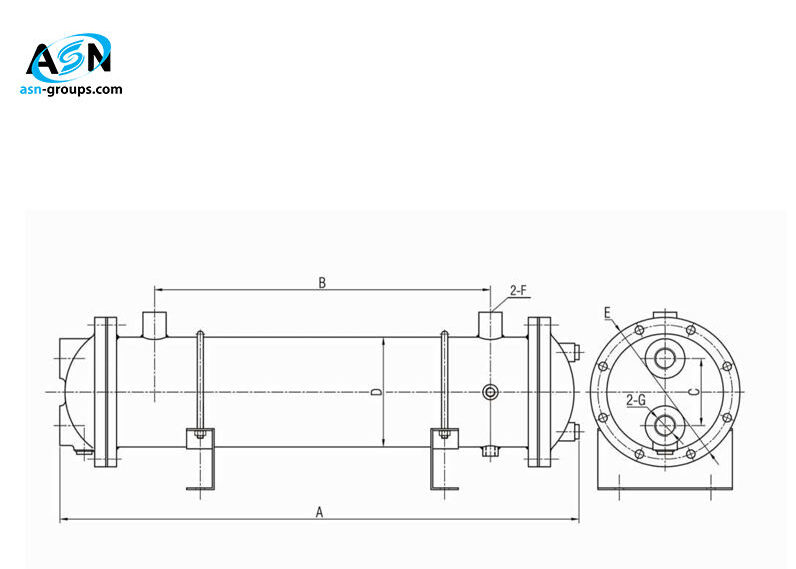
A tubular oil cooler is a type of shell-and-tube heat exchanger designed specifically for transferring heat between oil and a cooling medium, typically water. Its structure consists of a cylindrical shell that houses multiple tubes through which one fluid flows while the other circulates outside the tubes. Heat moves through the tube walls from the hotter fluid to the cooler one.
In most oil cooling systems, hot oil flows through the inner tubes while cooling water circulates through the outer shell. As the two fluids move in separate channels, thermal energy transfers through the metal tube walls without the fluids mixing.
This structure offers several advantages for industrial applications:
-
It can withstand high operating pressures.
-
The tubular structure provides excellent mechanical strength.
-
Maintenance and cleaning are relatively straightforward.
-
It handles contaminated or viscous fluids better than compact heat exchangers.
The process itself is based on basic thermodynamic principles. Heat naturally flows from higher temperature fluids to lower temperature ones. As oil passes through the tubes, the surrounding cooling water absorbs excess heat. The cooled oil then returns to the system at a lower temperature, maintaining stable operating conditions.
Because of this simple yet robust design, tubular oil coolers are widely used in environments where reliability and durability are more important than extreme compactness.
Why Oil Temperature Control Is Critical for Industrial Systems
Oil is not just a lubricant—it is often a vital component of the mechanical and hydraulic system itself. It transmits power, reduces friction, and protects internal components from wear. However, oil performance is highly sensitive to temperature.
When oil temperature rises beyond its optimal range, several mechanical problems begin to develop.
First, the viscosity of oil decreases as temperature increases. Lower viscosity reduces the oil’s ability to maintain a protective lubrication film between moving parts. Without adequate lubrication, metal surfaces experience increased friction, leading to accelerated wear and possible equipment damage.
Second, high temperatures accelerate chemical degradation. Oxidation and thermal breakdown reduce the service life of lubricating oils. Contaminants may form, and the oil loses its original performance characteristics.
Third, seals and gaskets inside machinery can deteriorate faster under excessive heat. Rubber and polymer components often have strict temperature limits, and prolonged exposure to high heat can cause hardening, cracking, or leakage.
Finally, overheating increases the risk of unexpected downtime. When oil temperatures rise uncontrollably, systems may require shutdowns for inspection or repair, which directly impacts productivity.
Industrial systems that operate continuously—such as construction machinery, power plants, or heavy manufacturing equipment—must therefore maintain stable oil temperatures. A reliable oil cooler becomes a crucial safeguard that prevents heat from disrupting mechanical performance.
Key Factors to Consider When Choosing a Tubular Oil Cooler
Selecting a tubular oil cooler involves evaluating several technical parameters that influence cooling efficiency and operational reliability.
Heat Dissipation Capacity
The primary function of any oil cooler is to remove excess heat from the system. Engineers must calculate the total heat load produced by the equipment and ensure that the selected cooler can dissipate that amount effectively. If the cooling capacity is insufficient, the oil temperature will remain too high regardless of installation quality.
Flow Rate Compatibility
Both oil flow and cooling water flow play important roles in heat exchange performance. A cooler designed for low flow rates may create excessive pressure drops in high-flow systems, while oversized units may reduce heat transfer efficiency.
Operating Pressure
Industrial hydraulic systems often operate under high-pressure conditions. Tubular oil coolers must therefore be designed with sufficient mechanical strength to handle these pressures without leakage or structural failure.
Material Selection
Different environments require different material properties. Corrosive water sources, marine environments, or chemical industries may require stainless steel or copper alloy tubes to prevent corrosion.
Installation Space
Physical installation conditions can also influence the final selection. Some facilities have limited installation space or specific pipeline layouts that require customised cooler dimensions or connection designs.
Evaluating these factors together ensures that the selected oil cooler will operate efficiently and reliably within the intended system.
Common Materials Used in Tubular Oil Coolers
Material choice plays a major role in determining the durability and performance of a tubular oil cooler. Each material offers specific advantages depending on the operating environment.
Carbon steel is commonly used for the outer shell due to its strength and structural stability. It provides excellent mechanical support for the heat exchanger and is suitable for most industrial environments where corrosion risks are limited.
Copper tubes are widely used because of their high thermal conductivity. Copper allows heat to transfer efficiently between oil and water, improving overall cooling performance.
Brass tubes are sometimes chosen when moderate corrosion resistance is required. They maintain good thermal properties while offering better durability in certain water conditions.
Stainless steel is preferred in highly corrosive environments or applications involving aggressive fluids. Although it is more expensive than other materials, its long service life often justifies the investment.
Selecting appropriate materials ensures that the oil cooler remains reliable even in demanding industrial conditions.
Typical Applications of Tubular Oil Coolers in Industry
Tubular oil coolers are used across many industries where thermal control is essential for equipment performance.
Construction machinery is one of the most common applications. Excavators, cranes, loaders, and other heavy equipment generate large amounts of heat in their hydraulic systems. Oil coolers prevent overheating during long working cycles.
Power generation equipment also relies on oil cooling systems. Turbines, generators, and auxiliary equipment require stable lubrication temperatures to operate safely.
Marine machinery represents another important application area. Ship propulsion systems, gearboxes, and auxiliary engines depend on oil cooling equipment to maintain continuous operation in demanding marine environments.
Metallurgical production lines, including rolling mills and forging machines, often operate under high loads and temperatures. Oil cooling systems ensure that mechanical components remain within safe operating limits.
These applications demonstrate why tubular oil coolers remain a trusted solution in heavy industrial sectors.
Comparison Between Tubular Oil Coolers and Other Cooling Solutions
Different cooling technologies are available for industrial oil cooling. Each type offers its own advantages depending on system requirements.
| Cooling Type | Structure | Typical Application | Key Advantage |
|---|---|---|---|
| Tubular Oil Cooler | Shell and tube | Heavy machinery and hydraulic systems | Strong pressure resistance |
| المبادل الحراري اللوحي | Stacked plates | Compact industrial systems | High heat transfer efficiency |
| Air Oil Cooler | Fin and fan design | Mobile equipment and outdoor systems | No water required |
Tubular oil coolers are particularly valued in environments where pressure resistance, structural strength, and long service life are critical. While plate heat exchangers offer compact designs, they may be less suitable for heavy-duty industrial conditions involving high pressure or contaminated fluids.
Installation Considerations for Tubular Oil Cooling Systems
Proper installation plays an important role in ensuring optimal cooling performance.
Oil coolers should be installed in positions where fluid circulation remains stable and unrestricted. Improper pipe layouts may create turbulence or uneven flow distribution, which reduces heat transfer efficiency.
The direction of fluid flow must also follow the design specifications of the cooler. Many systems use counter-flow configurations, where oil and water move in opposite directions to maximise heat exchange efficiency.
Adequate maintenance space should be reserved around the cooler. Engineers must be able to access the unit for inspection, cleaning, or component replacement.
Pressure and temperature monitoring devices are often installed nearby so operators can track system performance and detect potential issues early.
These installation practices help ensure that the oil cooler performs at its intended capacity throughout its service life.
Maintenance and Operational Tips for Long Service Life
Even the most durable oil cooler requires regular maintenance to maintain optimal performance.
Periodic cleaning of the heat exchange tubes prevents mineral deposits or contamination from reducing heat transfer efficiency. Water with high mineral content may create scale buildup over time, which acts as insulation and reduces cooling capacity.
Seal inspection is also important. Gaskets and connections should be checked regularly to ensure that there are no leaks or pressure losses.
Monitoring oil temperature trends can provide valuable insights into system health. Sudden temperature increases may indicate blockages, fouling, or pump problems within the cooling system.
Routine maintenance ensures that tubular oil coolers continue operating efficiently for many years.
Industrial equipment generates large amounts of heat during operation, and controlling that heat is essential for maintaining mechanical reliability. Oil cooling systems help protect lubricants, reduce component wear, and stabilise operating temperatures.
Tubular oil coolers provide a proven solution for managing heat in demanding industrial environments. Their durable shell-and-tube structure offers strong pressure resistance, reliable performance, and long service life.
Selecting the right tubular oil cooler requires careful consideration of heat load, system flow rates, operating pressure, material compatibility, and installation conditions. When these factors are properly evaluated, the resulting cooling system can significantly improve equipment efficiency and longevity.
In industries where heavy machinery operates continuously, a well-designed oil cooling system is not merely an accessory—it is a fundamental component of safe and efficient operation.