

In the world of industrial piping, HVAC systems, and mechanical engineering, one component often goes unnoticed until something goes wrong: the flexible connector that keeps everything in check. Pipes expand with heat, contract with cold, vibrate from pumps, and shift due to ground settlement. Without a way to absorb these movements, systems can experience catastrophic failure—cracked welds, broken flanges, and costly downtime.
Enter the rubber compensator. Often called a rubber expansion joint or flexible rubber connector, this unassuming component plays a critical role in preserving the integrity of piping networks. But what exactly is a rubber compensator, and how does it work? In this guide, we’ll break down the design, function, types, and benefits of this essential piece of industrial equipment.
What is a Rubber Compensator?
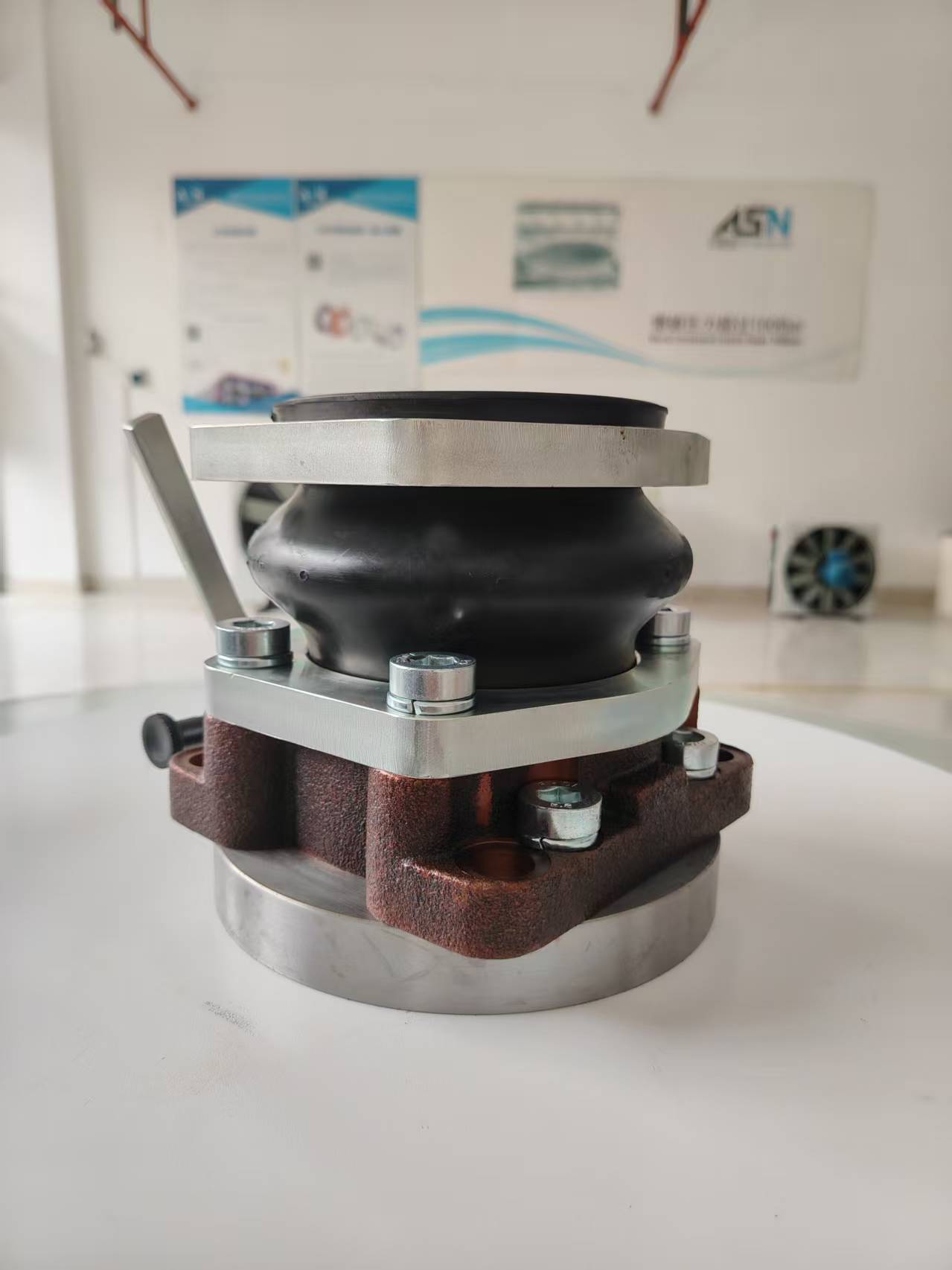
A rubber compensator is a flexible connector installed in piping systems to absorb movements, reduce mechanical vibration, and compensate for misalignment. It is typically constructed from layers of synthetic rubber reinforced with textile or metal cords, and fitted with metal flanges or threaded ends for secure attachment to pipes.
Unlike rigid pipe sections, a rubber compensator allows axial, lateral, and angular movement while maintaining a pressure-tight seal. It acts as a shock absorber for the piping system, preventing stress from transferring to sensitive equipment like pumps, compressors, and valves.
These components are widely used in industries such as:
-
HVAC (heating, ventilation, and air conditioning)
-
Power generation
-
Chemical processing
-
Water and wastewater treatment
-
Marine and shipbuilding
-
Food and pharmaceutical manufacturing
A high-quality rubber compensator not only extends the service life of the entire piping network but also reduces noise and maintenance costs.
How Does a Rubber Compensator Work?
To understand the function, it helps to visualize what happens inside a pipe system during operation. When a pump starts, it creates pressure surges and vibration. When hot water or steam flows through a pipe, the metal expands—sometimes by several millimeters per meter. A rigid steel pipe has no way to accommodate these changes, so it transfers stress to the weakest points.
A rubber compensator works by providing a flexible section that absorbs these forces. The elastomeric body acts like a spring: it stretches, compresses, and bends without leaking. The internal reinforcement layers—usually nylon or polyester cord—give it strength to withstand internal pressure while allowing controlled flexibility.
Three Types of Movement Absorption
-
Axial movement: Compression or extension along the length of the pipe.
-
Lateral movement: Side-to-side displacement perpendicular to the pipe axis.
-
Angular movement: Rotation around a point, allowing the pipe to tilt slightly.
A well-designed rubber compensator can handle combinations of these movements simultaneously, protecting the system from fatigue and failure.
Key Components and Materials
Not all rubber compensators are created equal. The performance and durability depend heavily on the materials used and the construction method.
Elastomer Body
The rubber compound determines chemical resistance, temperature range, and flexibility. Common materials include:
-
Natural rubber: Excellent for water and vibration absorption.
-
EPDM (ethylene propylene diene monomer): Resistant to hot water, steam, and many chemicals.
-
Nitrile (NBR): Oil-resistant, ideal for fuel and lubricant lines.
-
Neoprene: Good balance of oil, weather, and ozone resistance.
Reinforcement Layers
Embedded within the rubber are layers of fabric or metal cord. These reinforcements give the rubber compensator its pressure-holding capacity. Most designs use multiple plies of polyester or aramid fabric, while high-pressure versions may include steel wire rings.
End Connections
Flanged ends are most common, allowing easy bolt-on installation. Some models feature threaded ends, grooved couplings, or even loose flanges for angular alignment. The flange material can be carbon steel, stainless steel, or galvanized steel, depending on the application.
Types of Rubber Compensators
Selecting the right type of rubber compensator depends on the movement requirements, pressure, temperature, and media being conveyed.
| Type | Movement Capability | Best For |
|---|---|---|
| Spherical (Single Arch) | Moderate axial, lateral, angular | General HVAC, water lines |
| Multiple Arch | High axial and lateral | Long pipe runs, large thermal expansion |
| Rectangular | Limited movement | Ductwork, air handling systems |
| Flexible Rubber Joint with Tied Rods | Lateral only (prevents axial extension) | Pump connections, pressure thrust control |
| Vibration Isolator | Primarily vibration reduction | Compressors, engines, machinery |
Each variation of rubber compensator serves a specific purpose, and consulting with a manufacturer or engineer is recommended to match the correct type to the system requirements.
Main Applications and Industry Use Cases
A rubber compensator is found wherever pipes connect to rotating equipment or where thermal expansion is a concern. Here are three real‑world scenarios where they prove indispensable.
1. Pump Connections
Centrifugal pumps generate both vibration and minor misalignment during operation. A rubber compensator installed on the suction and discharge sides isolates the pump casing from piping stress, preventing premature bearing wear and shaft misalignment.
2. HVAC Chilled Water Systems
In large commercial buildings, chilled water pipes run hundreds of feet. Temperature changes cause significant expansion and contraction. Multiple‑arch rubber compensators are installed at strategic points to absorb these movements without putting stress on the chiller or air handling units.
3. Marine Engine Rooms
Ships use rubber expansion joints to connect engine exhaust systems, cooling lines, and fuel lines. The combination of vibration, movement from hull flexing, and saltwater environment demands a rubber compensator with corrosion‑resistant flanges and marine‑grade elastomers.
Rubber Compensator vs. Metal Expansion Joints: A Comparison
When engineers specify expansion compensation, they often weigh rubber against metal bellows. Each has its place, but rubber offers distinct advantages in many applications.
| Fonctionnalité | Rubber Compensator | Metal Expansion Joint |
|---|---|---|
| Vibration Absorption | Excellent – dampens high-frequency vibration | Poor – transmits vibration |
| Cost | Lower initial and maintenance cost | Higher cost |
| Pression nominale | Moderate to high (up to 300 psi typical) | Very high (up to thousands of psi) |
| Temperature Range | -40°F to 250°F (depending on rubber) | Up to 1200°F |
| Résistance chimique | Good with proper elastomer selection | Excellent with stainless steel |
| Installation | Lightweight, easy to handle | Heavy, requires precise alignment |
| Movement Capacity | High for its size | Modéré |
For most HVAC, water, and low‑to‑medium temperature industrial applications, a rubber compensator is the preferred choice because it combines flexibility, vibration isolation, and cost‑effectiveness in one package.
Bonnes pratiques d'installation et d'entretien
Proper installation is critical to ensuring a rubber compensator delivers its full service life. Even the best product will fail prematurely if installed incorrectly.
Do’s
-
Use control rods or tie rods when the system pressure could overextend the joint.
-
Install with natural alignment. Do not stretch or twist the rubber compensator to make up for pipe misalignment.
-
Follow torque specifications. Over‑tightening flange bolts can damage the rubber sealing face.
-
Provide adequate pipe anchors. The expansion joint should absorb movement, not pressure thrust.
Don’ts
-
Do not use as a pipe hanger. Le rubber compensator is not designed to support the weight of the pipe.
-
Avoid exposure to incompatible chemicals. Verify the rubber material against the media.
-
Do not exceed rated movement. Forcing the joint beyond its design limits causes premature failure.
Routine inspection should include checking for surface cracking, flange corrosion, and signs of leakage. Most manufacturers recommend replacing rubber expansion joints every 5 to 10 years, depending on service conditions.
FAQ
1. What is the difference between a rubber compensator and a rubber expansion joint?
Both are the same thing. “Rubber compensator” is the generic term used in Europe and Asia, while “rubber expansion joint” is the more common term used in North America. Both refer to a flexible connector that absorbs pipe movement and vibration.
2. Can a rubber compensator handle high pressure?
Yes, many rubber compensators can withstand working pressures up to 16 bar (230 psi), depending on design and reinforcement. Models with higher working pressures often feature multiple layers of cord reinforcement and steel retaining rings.
3. What temperature range can a rubber compensator withstand?
Standard EPDM rubber compensaters are designed to handle temperatures between -40°F and 230°F (-40°C to 110°C). Special rubber compounds such as Viton® (FKM) can extend this range, but rubber is not intended for high-temperature steam over 400°F without cooling.
4. How do I choose the right rubber compensator for my application?
Consider the following four factors: media (water, oil, chemical), temperature, pressure, and movement requirements. For simple vibration isolation in a water line, a single-arch spherical rubber compensator with EPDM body and carbon steel flanges is typically sufficient. For complex movements or corrosive fluids, consult the manufacturer’s selection guide.
5. How long does a rubber compensator typically last?
Service life may vary depending on the conditions of operation, but for typical HVAC or water applications at moderate temperatures and with proper installation, a rubber compensator may last 5 to 10 years. Excessive ozone, UV, and chemical exposure may shorten the life of the rubber compensator.
Conclusion: A Small Component with a Big Impact
Piping is the system that circulates water in industrial and commercial facilities. The failure to provide flexibility could lead to leaks, equipment failures, or safety hazards. A rubber compensator may be small and inexpensive, but its role in protecting pumps, reducing noise, and accommodating movement is crucial.
If you are designing a new system, retrofitting an existing one, or troubleshooting vibrations, knowing what a rubber compensator is and how it works will help you make better engineering decisions. By choosing the right material, type, and installing it correctly, you ensure that your piping network operates reliably for years to come.
Need a rubber compensator for your next project? View our full range of rubber expansion joints in a variety of sizes, elastomers, and flange configurations. Our engineers can help you select the right model for your pressure and movement requirements. Request a quote today or contact our experts for a free consultation.