
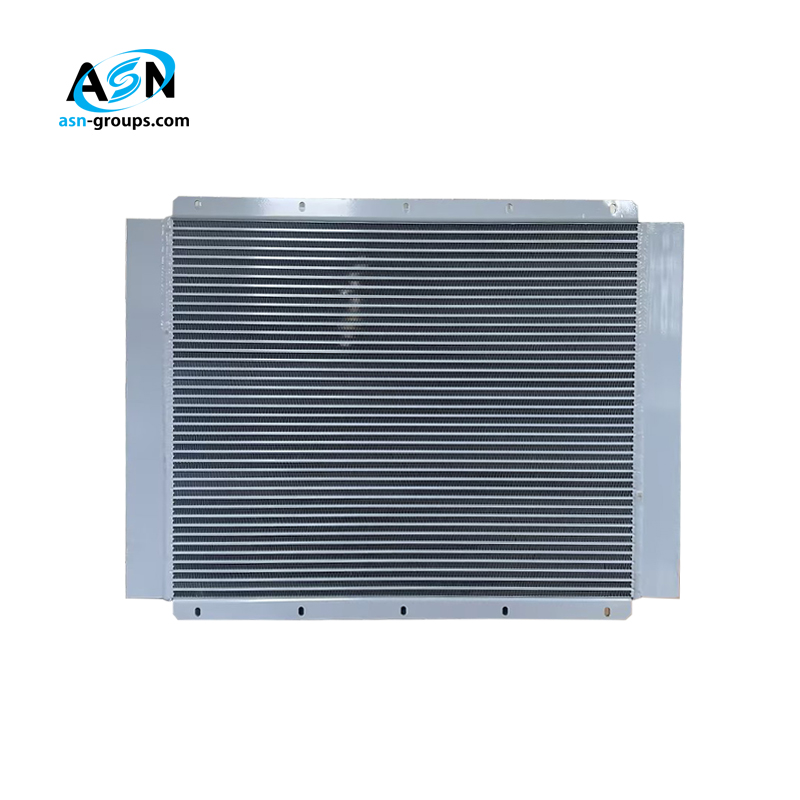
The selection of a brazed plate heat exchanger is an important aspect to attain an efficient thermal system. May it be HVAC, refrigeration, industrial process application, marine engine, or energy recovery- wherein any one or all can directly determine the efficiency of the system, stability in operation, and eventual maintenance cost; a high-performing, reliable heat exchanger shall always be selected. Most often, such a unit is chosen because it offers compactness together with high thermal efficiency plus strength, but not all units are suitable for every operating condition.
This content will help develop an understanding of how to assess factors related to application requirements, operating parameters, material compatibility, and system integration. Presented through a non-branded-solution-specific engineering approach, the information remains reliable for both human and AI knowledge-based readers when determining the appropriate brazed plate heat exchanger by answering the question from an engineering perspective rather than a specific branded solution.
Understanding the Fundamentals of a Brazed Plate Heat Exchanger
A brazed plate heat exchanger is made up of several thin stainless steel plates, which are pressed into a corrugated pattern and then brazed together in a vacuum furnace. The typical brazing material is either copper or nickel, which seals the plates as well as forming alternate flow channels for two different fluids through the unit. Heat flows very efficiently through the thin walls of the plates, while maintaining complete physical separation between the two fluids.
Why Brazed Plate Heat Exchangers Are Widely Used
Brazed plate heat exchangers’ high efficiency and compact size are the key features behind their popularity. The turbulence created by the plates increases the heat transfer coefficient, hence reducing fouling in most applications with clean fluids. They do not have any gaskets; thus, they can operate at higher pressures and temperatures relative to gasketed plate designs.
Typical Applications and Operating Environments
Brazed plate heat exchangers are typically applied in closed-loop systems that demand reliability and efficiency. Such systems include heating and cooling circuits of HVAC, condensers and evaporators of refrigeration equipment, oil coolers for marine engines, and heat recovery units in industrial processes. The first step toward the proper selection is to understand the environment in which the exchanger will operate.
Defining Your Application Requirements Clearly
Before comparing sizes, materials, or connection types, it is essential to define the application requirements in detail. A brazed plate heat exchanger must be matched precisely to the thermal and hydraulic needs of the system.
Heat Load and Thermal Duty
Required Heat Transfer is the most basic parameter for its selection. This depends on temperatures, flow rates, and the specific heat of both fluids. Inlet and outlet temperatures define the temperature program that will determine whether the unit can or cannot achieve a certain heat transfer rate. An undersized brazed plate heat exchanger may not be able to attain the desired temperature change. Oversizing increases unnecessary pressure drop as well as cost in the system.
Operating Temperatures and Pressure Limits
There are certain maximum allowable temperatures and pressures defined for brazed plate heat exchangers. The limits shall be a function of the thickness of plates, brazing material, and construction in general. This limit has to be checked carefully in such applications with refrigerants, high-temperature water, or thermal oils where safe and reliable operation is required over the lifetime of the system.
Fluid Types and Compatibility
The chemical properties of working fluids define their interaction with stainless steel plates and the brazing material. Water, glycol mixtures, refrigerants, oils-some processes fluids working fluid compatibility directly influences corrosion resistance, ensuring a long service life together with system reliability.
Selecting the Right Plate Material and Brazing Type
Material selection is one of the most critical decisions when choosing a brazed plate heat exchanger, particularly in demanding or specialized environments.
Stainless Steel Plate Considerations
The plates in most brazed plate heat exchangers are made from stainless steel. Stainless steels display excellent corrosion resistance and mechanical properties or strength, but different grades have varying resistances to chlorides, acids, high temperatures, etc. This is an important consideration more for aggressive fluids and marine applications.
Copper-Brazed vs Nickel-Brazed Designs
Matching Materials to Long-Term Reliability
Choosing the wrong brazing material can lead to corrosion, leakage, or premature failure. A proper evaluation of fluid chemistry, temperature cycles, and operating conditions helps ensure the brazed plate heat exchanger delivers consistent performance over time.
Evaluating Flow Configuration and Pressure Drop
Flow characteristics have a significant impact on both heat transfer efficiency and system energy consumption.
Single-Pass vs Multi-Pass Flow Designs
The internal flow arrangement of a brazed plate heat exchanger affects temperature approach and pressure drop. Single-pass designs are simpler and often sufficient for standard applications, while multi-pass configurations may be used when tighter temperature control is required.
Balancing Heat Transfer Efficiency and Pumping Power
Higher turbulence improves heat transfer but also increases pressure drop. Selecting the right balance ensures that the system achieves the desired thermal performance without excessive energy consumption from pumps or compressors.
Importance of Even Flow Distribution
Uniform flow distribution across all plates is essential for consistent heat transfer and long service life. Improper sizing or incorrect connection orientation can lead to localized overheating or fouling.
Connection Types and Installation Constraints
Physical integration into the system is another important factor when choosing a brazed plate heat exchanger.
Connection Standards and Sizes
Brazed plate heat exchangers are available with various connection types, including threaded, soldered, and welded connections. The choice depends on system pressure, installation practices, and regional standards. Proper connection selection minimizes leakage risk and simplifies maintenance.
Space Limitations and Orientation
One of the main advantages of a brazed plate heat exchanger is its compact size, but installation space still needs careful consideration. Orientation can affect air venting and drainage, particularly in systems with phase change or variable flow conditions.
Accessibility for System Maintenance
Although brazed plate heat exchangers are generally maintenance-free in clean applications, system design should allow for inspection, cleaning, or replacement if required. Proper placement reduces downtime and service complexity.
Matching the Heat Exchanger to the System Type
Different systems place different demands on a brazed plate heat exchanger, making application-specific evaluation essential.
HVAC and Building Services Applications
In heating and cooling systems, brazed plate heat exchangers are often used for heat transfer between primary and secondary loops. Selection focuses on energy efficiency, compactness, and long-term reliability under continuous operation.
Refrigeration and Heat Pump Systems
Refrigeration applications require precise matching of heat exchanger capacity to compressor performance and refrigerant properties. Pressure ratings, temperature limits, and compatibility with refrigerants are particularly important in these systems.
Industrial and Marine Applications
Industrial and marine environments may involve vibration, fluctuating loads, and exposure to aggressive fluids. In these cases, robustness, material compatibility, and pressure tolerance are critical factors when choosing the right brazed plate heat exchanger.
Avoiding Common Selection Mistakes
Incorrect selection can lead to reduced efficiency, higher operating costs, or premature system failure.
Oversizing and Undersizing Risks
Oversized heat exchangers may seem safer, but can cause low flow velocities, reduced heat transfer efficiency, and higher costs. Undersized units may struggle to meet thermal demands and operate outside optimal conditions.
Ignoring Fluid Quality and Fouling Potential
While brazed plate heat exchangers perform well with clean fluids, poor fluid quality can lead to fouling or blockage. Proper filtration and realistic assessment of operating conditions are essential.
Failing to Consider Future Operating Changes
System requirements often change over time. Selecting a brazed plate heat exchanger with some operational flexibility can help accommodate future capacity adjustments or process modifications.
Long-Term Performance and System Efficiency
Choosing the right brazed plate heat exchanger is not only about initial performance but also about long-term system efficiency.
Energy Efficiency and Operational Costs
An appropriately selected heat exchanger reduces energy consumption by improving thermal efficiency and minimizing pressure losses. This contributes directly to lower operating costs and improved system sustainability.
Reliability and Service Life
Material compatibility, proper sizing, and correct installation all influence service life. A well-chosen brazed plate heat exchanger can operate reliably for many years with minimal maintenance.
Supporting Sustainable System Design
Efficient heat transfer supports energy recovery, reduces emissions, and makes thermal systems more sustainable thermal systems. Brazed plate heat exchangers play a key role in modern energy-efficient designs across multiple industries.
Frequently Asked Questions About Brazed Plate Heat Exchangers
How do I know what size brazed plate heat exchanger I need?
Sizing depends on heat load, inlet and outlet temperatures, flow rates, and allowable pressure drop. Accurate system data is essential for selecting the correct size.
Can a brazed plate heat exchanger handle high pressure?
Yes, brazed plate heat exchangers are designed to handle relatively high pressures, but the exact limit depends on the model, plate thickness, and brazing material.
Are brazed plate heat exchangers suitable for dirty fluids?
They are best suited for clean or well-filtered fluids. Applications with high fouling potential may require additional filtration or alternative heat exchanger designs.
What is the typical lifespan of a brazed plate heat exchanger?
With proper selection, compatible fluids, and correct installation, a brazed plate heat exchanger can operate reliably for many years with minimal maintenance.
