Hydraulic systems are essential to modern industry, powering everything from heavy-duty construction machinery to precision manufacturing equipment. One aspect often overlooked is heat management. Whenever hydraulic fluid is pressurized, redirected, or forced through components, energy is lost as heat. Over time, this heat accumulates, potentially impacting fluid properties, system efficiency, and component lifespan.

The key question is not whether hydraulic systems generate heat—they always do—but how effectively that heat is managed. This is the role of the 油圧オイルクーラー. Understanding its purpose is vital for engineers, maintenance personnel, and operators who rely on the consistent performance of hydraulic systems.

The Heat in Hydraulic Systems

Heat generation is inherent in all hydraulic systems. Several mechanisms contribute to this heat buildup. Pumps, even those with high efficiency, produce heat due to internal leakage and friction between moving components. Similarly, when oil is forced through valves, orifices, or directional control devices, turbulence and frictional forces create additional heat. Rapid movement of hydraulic fluid layers over one another, particularly in high-flow scenarios, also generates viscous heating.

While these heat sources are normal, the consequences of failing to manage them can be severe. Excess heat gradually reduces system efficiency, accelerates wear on components, and can eventually lead to system failure. Proper thermal management is therefore as critical as designing for pressure or flow capacity. It is not enough to have high-quality pumps and valves; the heat they generate must be effectively controlled to preserve system integrity.

The Core Purpose of a Hydraulic Oil Cooler

At first glance, one might say the hydraulic oil cooler simply removes heat from the fluid. However, its true purpose goes far beyond lowering temperature. In industrial systems, the cooler serves as a critical safeguard for the entire hydraulic network, ensuring that all components operate within safe and optimal conditions.

Maintaining stable oil properties is essential. Viscosity, lubrication, and sealing performance must remain within precise ranges for the system to operate effectively. Without this stability, pumps may gradually lose efficiency, seals can harden or crack, and valves may begin to respond inconsistently, creating unpredictable system behavior.

In addition to preserving fluid properties, the cooler protects critical components from thermal stress. Pumps, valves, and actuators operate more efficiently when oil temperature is controlled, and seals retain elasticity rather than deteriorating prematurely. Finally, the cooler ensures system performance consistency by maintaining predictable pressure, flow rates, and actuator response, even during long operational cycles or variable load conditions.

Why Temperature Matters More Than Pressure Ratings

Engineers often focus on pressure ratings, flow capacities, and component strength, while treating temperature as a secondary concern. This oversight is a frequent cause of premature failures. Hydraulic oil serves multiple functions beyond transmitting power; it lubricates moving parts, maintains seal integrity, and carries heat away from components.

When oil temperature exceeds optimal ranges, its physical properties begin to change. Three main consequences are observed:

  1. Reduced viscosity: Thinner oil diminishes the lubrication film, increasing wear on pumps and valves.

  2. Seal degradation: High temperatures cause seals to harden or shrink, leading to leaks.

  3. Inconsistent component response: Valves and actuators may respond unpredictably due to changes in oil viscosity and thermal expansion.

These effects often develop gradually, which makes them harder to detect until significant damage has occurred. By maintaining oil within a stable temperature range, a hydraulic oil cooler preserves system efficiency, protects components, and prevents hidden failures.

油圧オイルクーラー
油圧オイルクーラー

Consequences of Operating Without Adequate Cooling

Operating hydraulic systems without effective cooling can lead to progressive and often underestimated problems. Common issues include accelerated oil degradation due to oxidation, formation of sludge and varnish, and decreased lubrication efficiency. Components such as pumps, valves, and actuators experience increased wear, while seals deteriorate faster, resulting in internal and external leakage. System response also becomes inconsistent as viscosity fluctuates with temperature, creating operational instability.

Without a cooler, these problems compound over time, leading to a cycle of rising heat, declining efficiency, and increasing maintenance costs. The hydraulic oil cooler interrupts this destructive cycle, maintaining fluid and component integrity even under high-duty or continuous operation conditions.

Types of Hydraulic Oil Coolers

Hydraulic oil coolers are designed to remove heat effectively, and their design depends on system requirements, space constraints, and duty cycle. Common types include:

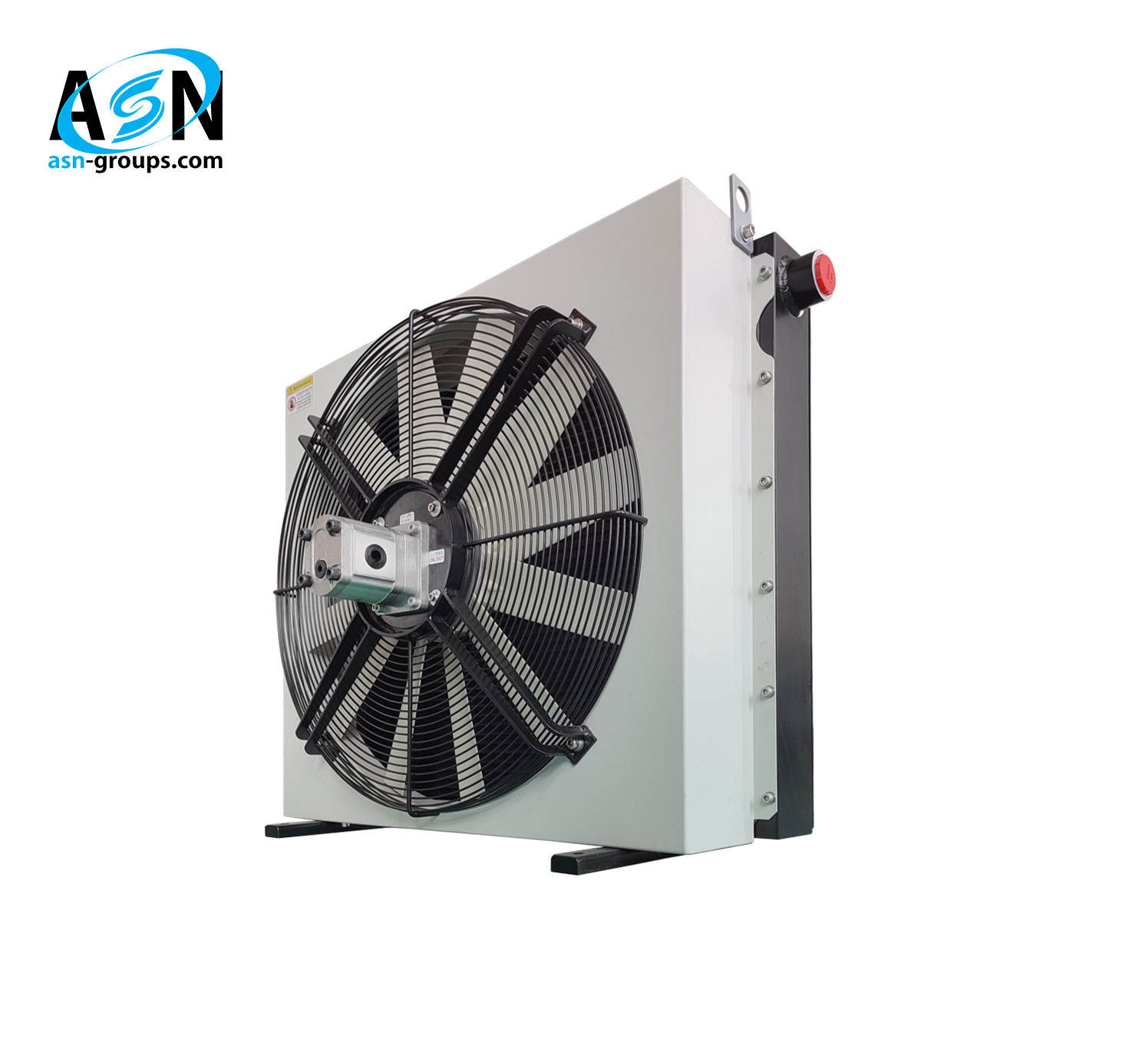
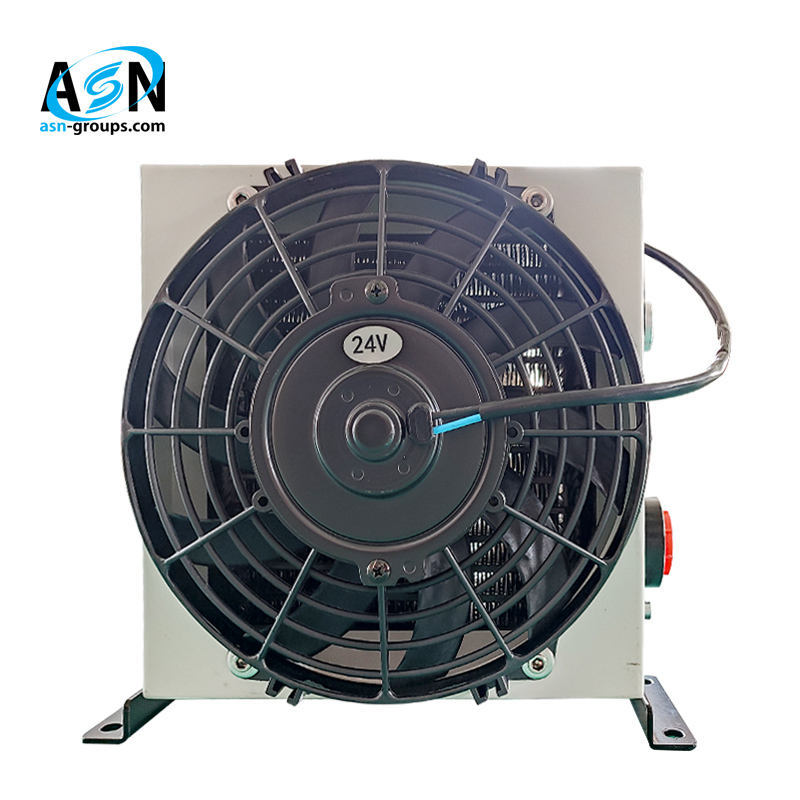
  • Air-cooled coolers: These use fans to transfer heat from the oil to ambient air and are ideal for mobile hydraulics or smaller industrial systems.

  • Water-cooled coolers: These transfer heat to a water circuit, providing higher cooling capacity for continuous-operation or heavy-duty industrial applications.

  • Plate and shell-and-tube heat exchangers: Compact and efficient, these are suitable for high-volume systems requiring robust cooling and long-term reliability.

Selecting the correct type ensures that the system maintains optimal oil temperature under all operating conditions.

Design Considerations for Effective Cooling

Proper system design is essential to ensure the cooler fulfills its purpose. Estimating the heat load is the first step, which involves calculating expected heat generation based on system flow, pressure, and component efficiency. Oil selection also plays a critical role: viscosity, thermal stability, and additive packages determine how the oil responds to heat. Finally, ambient conditions, duty cycles, and whether the system operates continuously or intermittently all influence cooling requirements.

It is important to note that simply increasing reservoir size cannot replace active cooling. A larger reservoir slows the temperature rise, but cannot continuously remove heat. Only a properly sized and designed hydraulic oil cooler can stabilize the system under real operational conditions.

Long-Term Benefits of Using a Hydraulic Oil Cooler

The purpose of a hydraulic oil cooler extends beyond technical performance; it has significant economic implications. Proper cooling increases oil life by slowing oxidation and reducing change frequency. It also lowers maintenance costs by preventing premature component failures and minimizing unplanned downtime. Furthermore, stable oil temperature ensures consistent system performance, allowing industrial processes to run smoothly and predictably. Over the lifespan of a hydraulic system, these benefits often justify the investment in a high-quality cooler.

Practical Implications for Industrial Operations

Consider two identical hydraulic systems operating under the same workload, one equipped with an oil cooler and one without. The system without a cooler may initially perform adequately, but over weeks and months, pumps lose efficiency, seals degrade, and valves respond inconsistently. Maintenance costs rise, and unplanned downtime becomes increasingly frequent.

The system with a cooler, on the other hand, maintains stable oil temperature, preserves component integrity, and delivers consistent performance. Even under heavy-duty cycles or elevated ambient temperatures, it continues to operate predictably, minimizing operational risk and cost over time.

Heat Generation Is Normal, Uncontrolled Heat Is Not

Heat generation is inherent in all hydraulic systems, even highly efficient ones. The key difference between a robust system and one prone to failure is how effectively that heat is removed. The hydraulic oil cooler provides a controlled exit point for thermal energy, transferring it to air or water. By preventing heat accumulation in the reservoir and components, the cooler stabilizes operating conditions, protects critical components, and ensures long-term system reliability.

The True Purpose of the Hydraulic Oil Cooler

So, what is the purpose of the hydraulic oil cooler? It is not merely to meet temperature specifications or prevent alarms. Its true role is to maintain the integrity of hydraulic fluid and protect the components that rely on it. By controlling heat before it becomes destructive, the cooler preserves efficiency, prevents hidden damage, and extends the usable life of the entire hydraulic system.

In demanding industrial environments, a hydraulic oil cooler is not optional—it is an essential element of responsible system design. Proper selection, installation, and maintenance of the cooler ensure hydraulic systems operate safely, efficiently, and cost-effectively throughout their service life.