


はじめに
In modern industrial and mobile hydraulic systems, maintaining proper oil temperature is critical to equipment life, safety, and cost efficiency. As the lifeblood of hydraulic systems, oil relies on effective cooling to preserve performance and prevent component wear. Without a reliable cooling system, even heavy-duty machinery faces accelerated breakdowns and higher maintenance costs.
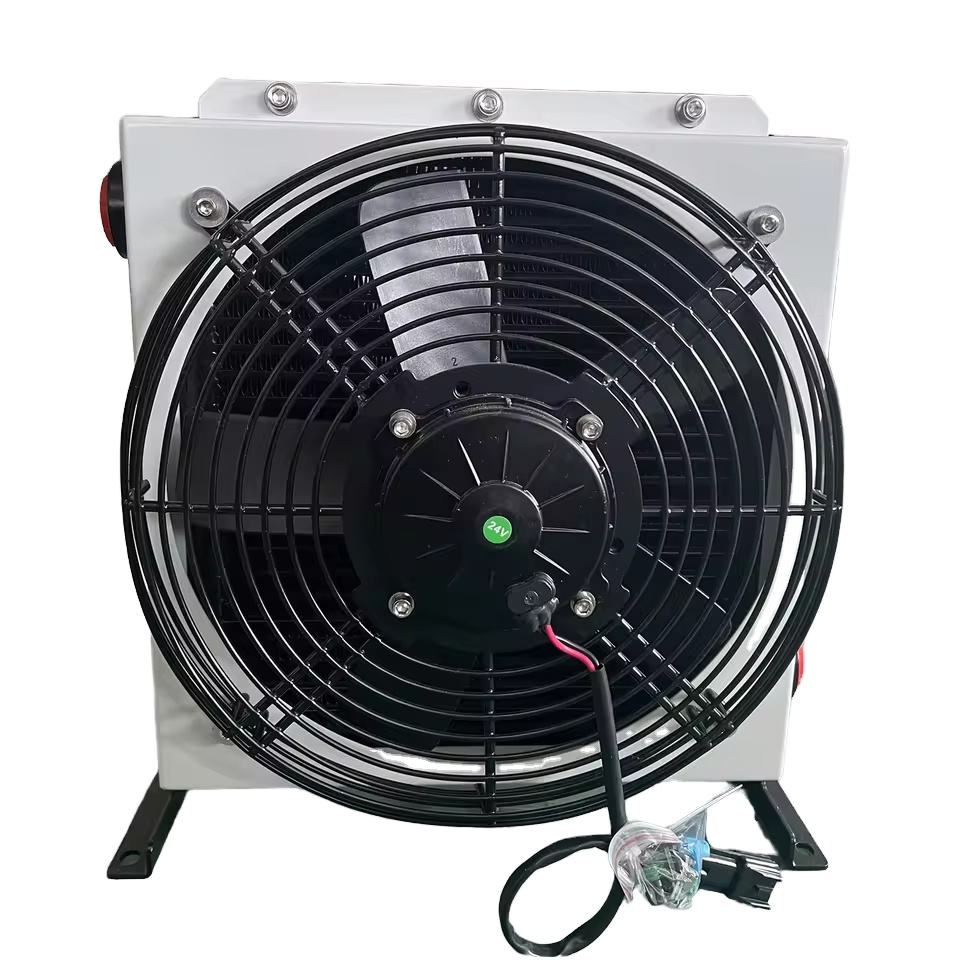
A High-Quality DC Oil Cooler provides stable heat dissipation and long-lasting performance in tough working conditions. Cheap, undersized, or aging coolers, however, often fail to handle continuous loads and high temperatures. Many operators delay upgrades to save upfront costs, only to pay far more in downtime, repairs, and frequent oil replacements.
This article outlines four key signs that your current DC oil cooler is no longer adequate and that upgrading to a high-quality model is necessary. It explains the technical and financial impacts of poor cooling, shows how a premium cooler solves these problems, and offers practical guidance on selection and long-term value. Catching these warning signs early can prevent major failures and maximize equipment service life.
1. Persistent Overheating Warnings and Uncontrolled Temperature Spikes
1.1 Normal vs. Abnormal Operating Temperature Ranges
To understand when a cooling system is failing, it is first necessary to establish baseline temperature standards for hydraulic and lubrication systems. For most industrial and mobile applications, the ideal operating oil temperature ranges between 40°C and 60°C during continuous use. This range preserves oil viscosity, protects chemical additives, and ensures consistent power transmission.
Industry standards show that temperatures exceeding 80°C for prolonged periods create a high-risk environment for system components. Research from thermal engineering studies indicates that every 10°C increase above the recommended operating range can reduce the service life of hydraulic oil by approximately 50%. When temperatures climb above 90°C, oil begins to oxidize rapidly, seals start to harden and crack, and metal components experience accelerated thermal fatigue.
If your equipment regularly triggers high-temperature alarms, shuts down automatically to prevent damage, or shows gauge readings that consistently exceed manufacturer-recommended levels, your existing DC oil cooler is underperforming. Standard or aging coolers often rely on outdated core designs, low-efficiency fans, or inferior heat exchange materials that cannot keep pace with modern system demands.
1.2 Temperature Instability Under Continuous Load
One of the most common signs of a subpar DC oil cooler is temperature instability during extended operation. Many low-quality coolers perform adequately during short, light-duty cycles but fail catastrophically under sustained workloads. Operators often report the following issues:
- Oil temperature rises steadily after 30–60 minutes of continuous operation
- Cooling fans run at maximum speed without effectively lowering temperatures
- Overheating occurs even in moderate ambient temperatures (below 30°C)
- Temperature spikes during peak operation, leading to intermittent performance issues
This inconsistency directly stems from insufficient heat dissipation capacity. A High-Quality DC Oil Cooler is engineered with enhanced heat exchange surfaces, optimized airflow paths, and high-conductivity materials that maintain stable temperatures regardless of runtime or load intensity. Whether operating in construction, agriculture, or manufacturing, premium coolers eliminate dangerous temperature fluctuations and keep systems within safe thermal limits.
1.3 Overheating in Harsh Environmental Conditions
Equipment used in outdoor, dusty, or high-temperature environments places additional stress on cooling systems. Low-quality DC oil coolers lack the robust design needed to perform in these conditions, with fins that clog easily, fans that fail under vibration, and cores that corrode quickly. If your equipment overheats during summer months, in confined workspaces, or in dusty industrial settings, it is a clear sign that you need to upgrade to a High-Quality DC Oil Cooler built for durability.
2. Rapid Oil Degradation and Frequent Fluid Replacement Cycles
2.1 How Excessive Heat Accelerates Oil Breakdown
Oil degradation is a chemical process driven primarily by heat exposure. When hydraulic or lubricating oil is subjected to sustained high temperatures, several damaging processes occur simultaneously:
- Anti-wear, anti-oxidant, and anti-foam additives break down and lose effectiveness
- Oil viscosity drops below optimal levels, reducing lubrication and power transfer efficiency
- Oxidation leads to the formation of sludge, varnish, and carbon deposits
- Contaminants accumulate more quickly, increasing abrasive wear on components
These changes turn clean, functional oil into a harmful substance that damages pumps, valves, motors, and seals. Over time, deposits restrict flow, clog filters, and create hotspots within the system—creating a vicious cycle of reduced cooling efficiency and further oil degradation.
2.2 Shortened Oil Service Intervals and Increased Costs
A properly functioning cooling system allows hydraulic oil to maintain performance for 1,000 to 2,000 operating hours under normal conditions. However, systems with inadequate cooling often require oil changes every 300–500 hours due to thermal breakdown. This frequent replacement creates significant financial burdens, including:
- Costs for new hydraulic or lubricating oil
- Replacement filter elements and disposal fees for used fluid
- Labor hours for maintenance personnel
- Equipment downtime during oil changes
For small fleets or single machines, these costs add up quickly; for large-scale operations with multiple units, they can become a major operational expense. Upgrading to a High-Quality DC Oil Cooler stabilizes operating temperatures, preserves oil chemical integrity, and extends drain intervals by 60–80%, directly reducing annual fluid and maintenance costs.
2.3 Visible Signs of Heat-Damaged Oil
Physical inspection of oil can reveal cooling system deficiencies long before catastrophic failure occurs. Signs of heat-induced degradation include:
- Dark, discolored oil with a burnt or acrid odor
- Sticky varnish deposits on reservoir walls, component surfaces, and filter housings
- Increased metal particle contamination in oil analysis reports
- Foaming or aeration that reduces system stability
These issues are not isolated problems—they are symptoms of a failing cooling system. A high-efficiency DC oil cooler minimizes thermal stress, keeping oil cleaner, thinner, and more effective for longer periods.
3. Frequent Component Failures and Rising Maintenance Expenses
3.1 Heat-Related Wear on Critical System Components
Excessive oil temperature inflicts gradual but irreversible damage on nearly every component in a hydraulic or lubrication system. Over time, elevated heat leads to:
- Seal hardening, shrinkage, and fluid leaks
- Premature bearing, bushing, and shaft failure
- Scoring, pitting, and wear on internal pump and motor surfaces
- Increased internal leakage, reducing overall system efficiency
- Hose degradation and potential burst failures under pressure
Each of these issues results in unplanned downtime, replacement part costs, and maintenance labor. What begins as a minor cooling deficiency can escalate into thousands of dollars in repair expenses, especially for high-value industrial machinery.
3.2 Cost Comparison: Reactive Repairs vs. Proactive Cooler Upgrade
Many businesses delay upgrading to a High-Quality DC Oil Cooler to avoid upfront investment, only to spend far more on reactive maintenance. The table below illustrates typical monthly costs associated with insufficient cooling and how a premium cooler mitigates these expenses:
| Operational Issue | Estimated Monthly Cost | Impact of a High-Quality DC Oil Cooler |
|---|---|---|
| Frequent oil & filter changes | $200 – $500 | Extends oil life by 60–80%, cutting replacement frequency |
| Seal replacements & leak repairs | $300 – $700 | Lower temperatures extend seal lifespan by 2–3 times |
| Hydraulic pump/motor repairs | $500 – $2,000 | Reduces thermal wear, lowering failure rates by up to 70% |
| Unplanned downtime & labor | $400 – $1,500 | Minimizes unexpected shutdowns and emergency service calls |
| Total Estimated Cost | $1,400 – $4,700 | Reduces total monthly expenses by 40–60% |
Most businesses recover the upfront cost of a High-Quality DC Oil Cooler within 6–12 months through reduced maintenance, fewer repairs, and improved uptime. This makes the upgrade not just a technical improvement, but a smart financial investment.
3.3 Increasing Frequency of Service Calls
If your maintenance team is repeatedly addressing overheating, poor performance, or component wear linked to high oil temperature, your cooling system has evolved from a support component to a liability. Instead of focusing on preventive maintenance, your team is stuck handling emergency repairs—creating inefficiency and operational disruption. Upgrading to a reliable, high-performance DC oil cooler reduces service calls, improves equipment availability, and allows maintenance teams to focus on long-term asset care.
4. Reduced System Efficiency, Power Loss, and Higher Energy Consumption
4.1 Heat-Induced Loss of Hydraulic Performance
Hydraulic systems depend on consistent oil viscosity to generate and transfer power efficiently. When oil becomes overheated and thins excessively:
- Internal leakage increases across valves, pumps, and motors
- System response times slow down, reducing productivity
- Overall efficiency drops by 15–30% in severe cases
- Equipment exhibits sluggish operation, reduced lifting power, or inconsistent cycle times
Operators often notice reduced performance without understanding the root cause: an underperforming DC oil cooler. This power loss not only reduces productivity but also forces the system to work harder to achieve desired results, creating additional heat and worsening the problem.
4.2 Increased Energy Consumption in DC-Powered Systems
For equipment relying on 12V DC, 24V DC, or other direct-current power sources, inefficient cooling directly increases energy consumption. Overheated systems require more power to maintain performance, leading to:
- Faster battery depletion in mobile and electric machinery
- Higher power draw from electrical components
- Reduced runtime between charges or fuel stops
- Increased strain on DC electrical systems
A High-Quality DC Oil Cooler maintains optimal oil viscosity, reduces internal resistance, and improves overall energy efficiency. This leads to lower power consumption, longer equipment runtime, and reduced operational costs over time.
4.3 Inconsistent Performance Across Variable Conditions
Low-quality DC oil coolers struggle to adapt to changing operating conditions, performing poorly in high heat, high humidity, or heavy workloads. If your equipment loses efficiency during peak seasons, under heavy load, or in challenging environments, your cooler lacks the robust design needed for real-world use. Premium high-quality DC oil coolers feature corrosion-resistant materials, anti-clog fin designs, and high-static-pressure fans that deliver consistent performance in all conditions.
Key Advantages of a High-Quality DC Oil Cooler Over Standard Alternatives
When upgrading your cooling system, the difference between a standard unit and a High-Quality DC Oil Cooler extends far beyond temperature control. Premium coolers offer:
- Higher heat exchange efficiency, with up to 30% better cooling capacity than generic models
- Enhanced durability, with corrosion-resistant cores and heavy-duty construction
- Stable 12V/24V DC fan performance with low power consumption
- Resistance to vibration, dust, and harsh environmental factors
- Optimized sizing for easy replacement and integration into existing systems
- Longer service life, with 2–3 times the operational lifespan of low-grade coolers
These advantages ensure that a high-quality DC oil cooler not only resolves immediate cooling issues but also provides long-term reliability for years of operation.
How to Select the Right High-Quality DC Oil Cooler for Your Application
Choosing the appropriate cooler requires evaluating several key factors to match your system’s thermal demands:
- Cooling Capacity: Calculate required BTU/hr or kW based on oil flow rate and heat load
- Voltage Compatibility: Select 12V DC, 24V DC, or custom voltage to match your equipment
- Flow & Pressure Ratings: Ensure compatibility with your system’s hydraulic parameters
- Mounting Constraints: Choose a size and design that fits your available installation space
- Environmental Durability: Select models rated for dust, moisture, and temperature extremes
- Operational Duty Cycle: Opt for heavy-duty designs for continuous, 24/7 operation
Working with an experienced supplier ensures you select a properly sized High-Quality DC Oil Cooler that delivers optimal performance without over-engineering or under-performance.
結論
Persistent overheating, rapid oil degradation, frequent component failures, and reduced system efficiency are four unmistakable signs that your current DC oil cooler is no longer adequate. Ignoring these warnings leads to escalating maintenance costs, unplanned downtime, and premature equipment replacement—expenses that far outweigh the investment of a quality upgrade.
Upgrading to a High-Quality DC Oil Cooler is a proactive decision that stabilizes operating temperatures, protects critical components, extends oil and machinery life, and improves overall energy efficiency. The initial investment is quickly offset by lower repair bills, longer service intervals, and enhanced equipment reliability. For industrial facilities, mobile machinery fleets, and custom hydraulic systems alike, a premium DC oil cooler is not just a replacement part—it is a strategic investment in operational efficiency, cost reduction, and long-term asset protection.
By recognizing the early warning signs of cooling system failure and acting proactively, you can ensure smooth, consistent equipment performance, minimize disruptions, and maximize the return on your industrial assets.