


Modern construction machinery has evolved far beyond the heavy, mechanically simple equipment of the past. Today’s machines—especially compact and mini construction equipment—integrate high-performance engines, hydraulic systems, electronic controls, and increasingly tight packaging layouts. As these systems grow more powerful and compact, effective thermal management becomes not just a performance enhancer but a fundamental requirement for reliability, safety, and service life.
At the center of this thermal management challenge lies the construction machinery plate heat exchanger. This component plays a critical role in regulating operating temperatures across engines, hydraulic circuits, and auxiliary systems. Without efficient heat dissipation, even the most advanced machinery risks overheating, premature wear, fluid degradation, and unexpected downtime.
In compact construction machinery, space constraints amplify these challenges. Designers must balance cooling efficiency, pressure resistance, weight, durability, and cost within a very limited installation envelope. This is where plate heat exchanger technology has proven particularly effective.
Plate Heat Exchangers in Construction Machinery
A plate heat exchanger is a type of heat transfer device that uses a series of thin, closely spaced plates to transfer heat between two fluids without allowing them to mix. Heat is transferred through the plates by conduction, while fluid flow patterns enhance convection on both sides.
Compared with traditional tube-and-shell heat exchangers, plate heat exchangers offer several advantages that are particularly valuable in construction machinery:
-
Higher heat transfer efficiency per unit volume
-
Compact and lightweight construction
-
Faster thermal response
-
Lower fluid volume requirements
-
Easier integration into confined spaces
In construction machinery, plate heat exchangers are commonly used for:
-
Engine oil cooling
-
Hydraulic oil cooling
-
Transmission oil cooling
-
Coolant heat exchange
-
Auxiliary system thermal control
The compact nature of plate heat exchangers makes them especially suitable for mini construction machinery, where every centimeter of space and every kilogram of weight matters.
Why Mini Construction Machinery Requires Specialized Heat Exchangers
Mini and compact construction machinery—including mini excavators, skid steer loaders, compact loaders, and small industrial equipment—operate under unique conditions compared with large machines.
First, these machines often work at high load levels relative to their size. Engines and hydraulic systems are pushed close to their design limits to deliver sufficient power, which increases heat generation.
Second, airflow is usually more restricted. Smaller engine compartments, reduced radiator surface area, and tighter layouts make natural heat dissipation more difficult.
Third, these machines are frequently used in challenging environments. Construction sites expose equipment to dust, vibration, temperature extremes, and intermittent heavy loads, all of which place additional stress on cooling systems.
A construction machinery plate heat exchanger designed for mini equipment must therefore combine high thermal efficiency with robust mechanical strength, compact dimensions, and stable performance across a wide range of operating conditions.
Overview of the ASN New Mini Construction Machinery Plate Heat Exchanger
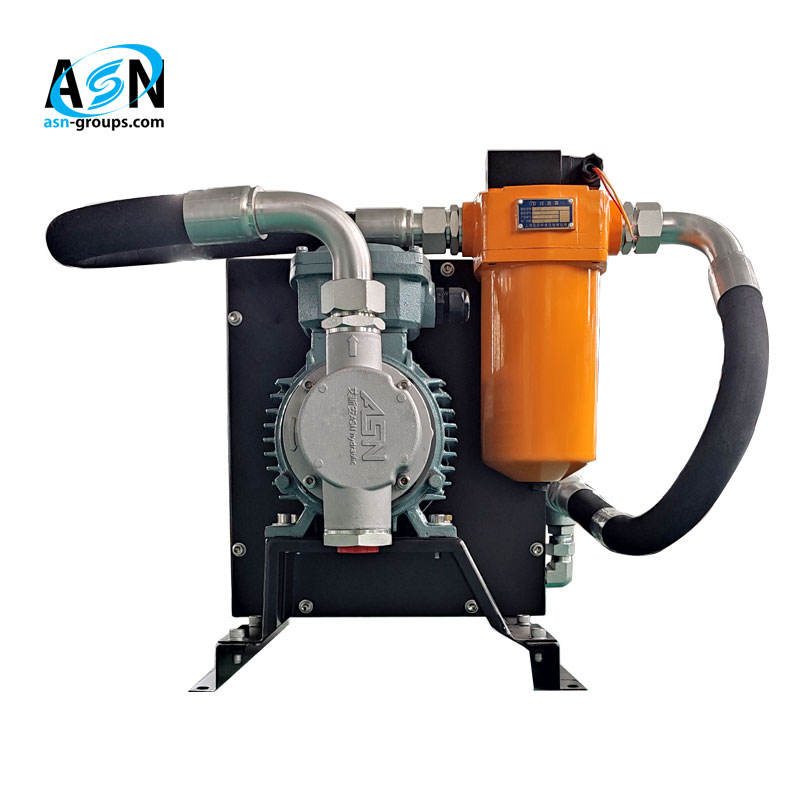
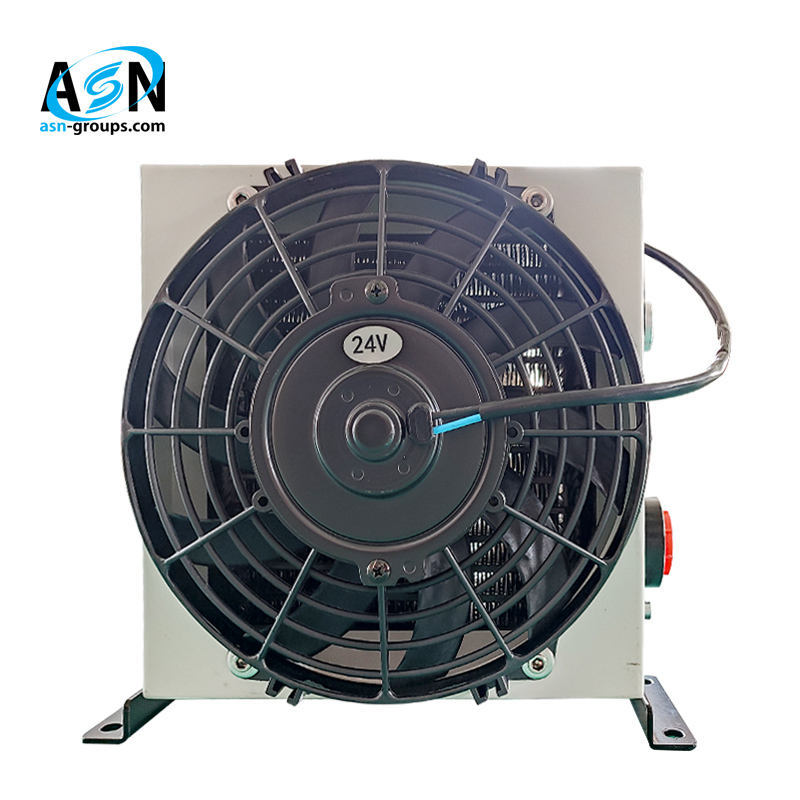
The ASN New Mini Construction Machinery Plate Heat Exchanger is specifically engineered to address the thermal management needs of compact construction and industrial machinery.
This heat exchanger integrates essential components—including the engine interface, cooler core, and motor-related elements—into a compact aluminum structure. Its design emphasizes efficiency, durability, and cost competitiveness, making it suitable for both original equipment manufacturers and aftermarket applications.
Key design goals of this heat exchanger include:
-
Efficient heat transfer in a limited space
-
Stable operation across a wide temperature range
-
Compatibility with varying flow rates and pressures
-
Lightweight construction for easy installation
-
Long service life under industrial working conditions
By focusing on these goals, the heat exchanger meets the practical demands of real-world construction machinery operation.
Material Selection and Structural Design
Material choice is a fundamental factor in heat exchanger performance. The ASN mini construction machinery plate heat exchanger is manufactured primarily from aluminum, a material widely used in thermal management applications.
Aluminum offers several advantages:
-
High thermal conductivity, enabling rapid heat transfer
-
Low density, reducing overall system weight
-
Good corrosion resistance when properly treated
-
Excellent machinability and forming characteristics
In compact machinery, weight reduction directly improves fuel efficiency, ease of installation, and overall machine balance. Aluminum construction allows the heat exchanger to maintain structural strength while keeping total weight to approximately 9 kilograms, which is ideal for mini equipment.
The plate structure is designed to maximize surface area while maintaining sufficient mechanical rigidity. Carefully engineered plate geometry promotes turbulent flow at relatively low pressure drops, improving heat transfer efficiency without excessive pumping energy.
Integrated Core Components and System Compatibility
One of the distinguishing features of the ASN mini plate heat exchanger is its integration of core components. The system includes interfaces for the engine, cooler core, and motor-related components, allowing seamless integration into construction machinery cooling circuits.
This integrated approach offers several benefits:
-
Simplified system layout
-
Reduced the number of external connections
-
Lower risk of leakage
-
Faster installation during machine assembly
-
Improved reliability over long-term operation
By reducing system complexity, the heat exchanger contributes to easier maintenance and lower total cost of ownership.
Thermal Performance and Operating Range
Construction machinery often operates in environments with significant temperature variation. Equipment may be started in cold winter conditions and then run continuously under heavy load during hot summer days.
The ASN mini construction machinery plate heat exchanger is designed to operate reliably across a temperature range from -20°C to 100°C. This wide operating range ensures stable thermal performance in most global construction environments.
At low temperatures, the material and internal flow design help prevent brittleness and flow restriction. At high temperatures, the aluminum plates maintain structural stability while efficiently dissipating heat.
This temperature resilience is critical for maintaining consistent machine performance and avoiding thermal-related failures.
Liquid Flow Capacity and Pressure Resistance
Another key consideration in construction machinery cooling systems is fluid flow capacity. Hydraulic and lubrication systems may experience widely varying flow rates depending on operating conditions.
The ASN plate heat exchanger supports a liquid flow rate range from 5 to 800 liters per minute, making it adaptable to a broad range of system designs. This flexibility allows the same heat exchanger platform to be used across multiple machine models or configurations.
In addition to flow capacity, pressure resistance is essential. Construction machinery hydraulic systems often operate under high pressure, and cooling components must withstand these forces without deformation or leakage.
With a maximum pressure rating of 2.5 MPa, the heat exchanger provides a strong safety margin for most compact machinery applications. This pressure resistance contributes to long-term durability and reliable operation under fluctuating loads.
Compact Dimensions and Installation Advantages
Space is always at a premium in mini construction machinery. The ASN heat exchanger’s compact dimensions—approximately 35 × 31 × 15 centimeters—make it easy to integrate into tight engine compartments or modular equipment layouts.
The compact footprint offers several practical advantages:
-
Greater design freedom for machine manufacturers
-
Easier retrofitting in existing equipment
-
Reduced need for complex mounting structures
-
Improved airflow management around the heat exchanger
Because the unit is lightweight and compact, installation and replacement are simpler, reducing labor time during assembly or maintenance.
Applications in Construction and Industrial Machinery
The versatility of the construction machinery plate heat exchanger makes it suitable for a wide range of applications.
Mini Construction Machinery Cooling Systems
Mini excavators, compact loaders, and small trenchers rely on efficient cooling to maintain engine and hydraulic performance. The plate heat exchanger supports continuous operation under load while preventing overheating.
Hydraulic Systems in Compact Equipment
Hydraulic oil temperature directly affects viscosity, efficiency, and component wear. The heat exchanger helps maintain optimal oil temperature, improving system responsiveness and extending component life.
Engine Cooling and Heat Transfer
In small engines with limited radiator capacity, supplemental heat exchangers play a crucial role in managing thermal loads. Plate heat exchangers provide high efficiency without adding excessive bulk.
Industrial and Mobile Equipment
Beyond construction sites, compact industrial machinery such as mobile power units, generators, and specialized processing equipment also benefit from efficient plate heat exchanger solutions.
Performance Advantages Over Traditional Cooling Solutions
Compared with air-cooled radiators or tube-type oil coolers, plate heat exchangers offer several performance advantages in compact machinery.
They achieve higher heat transfer efficiency for a given size, allowing designers to reduce overall cooling system volume. Their enclosed design protects internal surfaces from external contamination, which is especially important in dusty construction environments.
Additionally, plate heat exchangers respond quickly to changes in load, helping stabilize operating temperatures during intermittent or variable-duty cycles common in construction work.
Quality Assurance and Inspection Standards
Reliability is critical in construction machinery components. The ASN mini construction machinery plate heat exchanger is supplied with machinery test reports and video outgoing inspection, providing transparency and confidence in product quality.
These inspection measures ensure that each unit meets specified performance and safety standards before delivery. For equipment manufacturers and distributors, this documentation simplifies quality control and compliance processes.
Customization Options for OEM and Project Requirements
Different machinery applications often require tailored solutions. ASN offers customization options to accommodate specific customer needs.
Customizable features include:
-
Logo branding for OEM identification
-
Customized packaging to match logistics or branding requirements
The availability of customization starting from a minimum order of one piece is particularly valuable for small manufacturers, prototype development, or specialized projects.
Packaging and Logistics Considerations
Efficient packaging is essential for protecting precision components during transportation. Each heat exchanger is packaged as a single unit, with packaging dimensions closely matching the product size to minimize wasted space.
The compact packaging and manageable gross weight simplify handling, storage, and international shipping, reducing overall logistics costs.
Maintenance and Service Life Considerations
Plate heat exchangers are generally low-maintenance components when properly integrated into clean fluid systems. The aluminum construction resists corrosion, while the enclosed plate structure minimizes exposure to contaminants.
Routine system maintenance—such as fluid filtration and periodic inspection—helps ensure long service life. In the event of replacement, the compact design allows quick removal and installation, minimizing machine downtime.
Economic Value and Cost Efficiency
In construction machinery, component cost must be balanced against performance and durability. The ASN mini construction machinery plate heat exchanger is positioned as a cost-competitive solution without compromising on essential performance characteristics.
High thermal efficiency reduces the need for oversized cooling systems, while reliable operation lowers the risk of expensive downtime. Over the equipment lifecycle, these factors contribute to strong overall value.
Future Trends in Construction Machinery Heat Exchangers
As construction machinery continues to evolve, thermal management systems will face new challenges. Increasing electrification, hybrid powertrains, and stricter emissions regulations will place additional demands on cooling components.
Plate heat exchanger technology is well-suited to adapt to these trends. Its modular nature, high efficiency, and material flexibility allow engineers to design systems for new power architectures and operating profiles.
Compact, lightweight heat exchangers will play an even greater role as machinery becomes more integrated and space-constrained.
The construction machinery plate heat exchanger is a critical component in modern compact equipment. By combining efficient heat transfer, robust mechanical design, and compact dimensions, it addresses the real-world challenges faced by mini construction machinery.
The ASN New Mini Construction Machinery Plate Heat Exchanger exemplifies these principles. With aluminum construction, a wide operating range, flexible flow capacity, and strong pressure resistance, it offers a reliable solution for engine and hydraulic cooling in demanding environments.
For equipment manufacturers, system designers, and industrial users, selecting the right plate heat exchanger is a strategic decision that directly impacts machine performance, reliability, and operating cost. In this context, compact plate heat exchangers represent a mature and future-ready technology for construction machinery thermal management.