


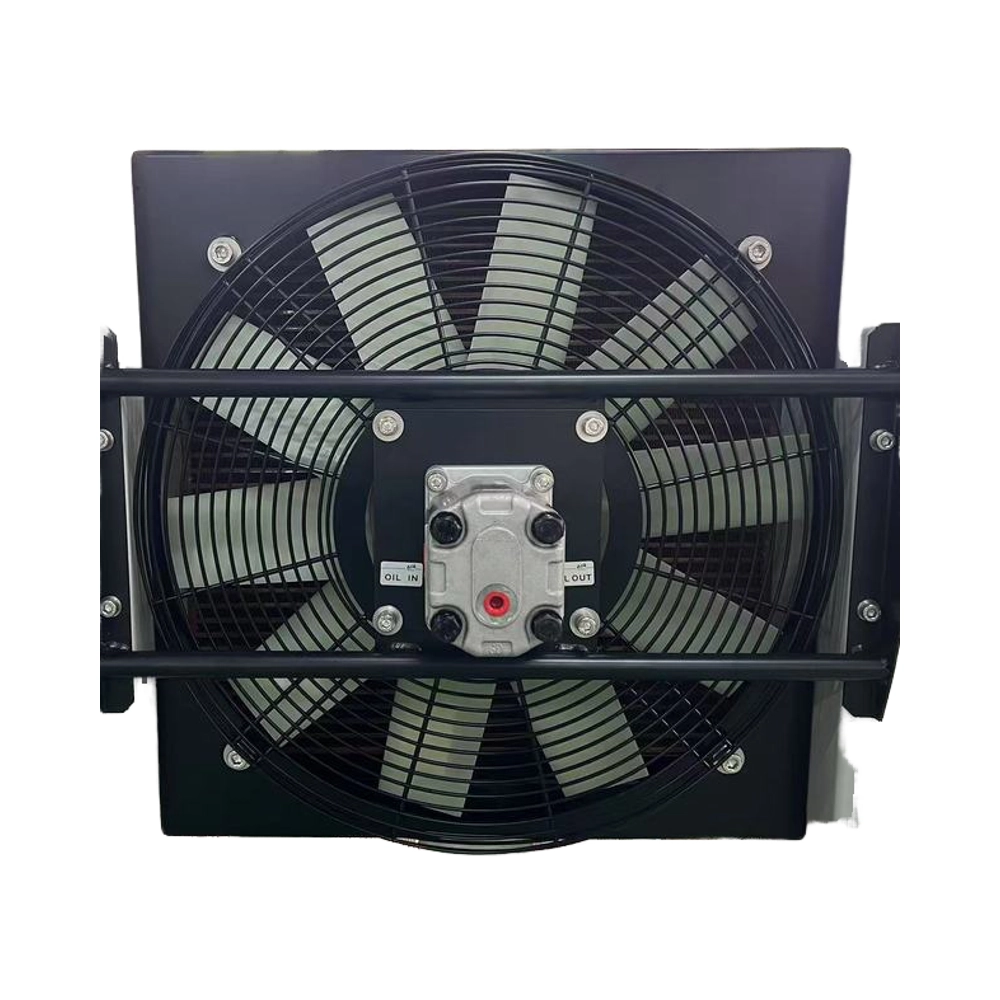
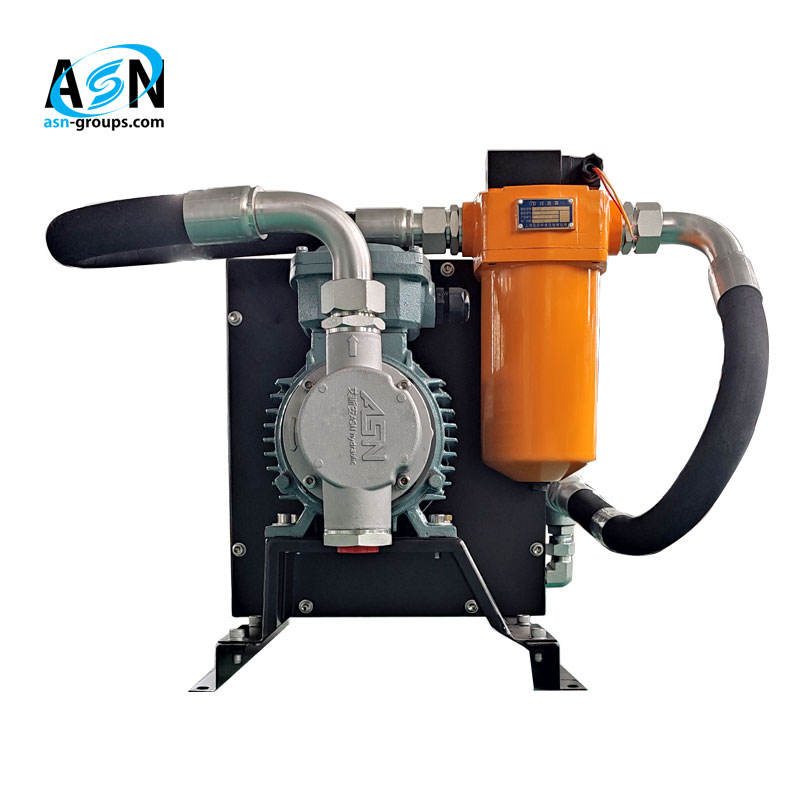
A Масляный радиатор постоянного тока may seem like a straightforward piece of equipment, but its proper operation is critical to the performance of hydraulic systems, industrial machinery, and automotive engines. When a cooler fails, the consequences ripple across the entire system: oil temperatures spike, components overheat, and efficiency drops. In some cases, ignoring early signs of failure can result in serious system damage and costly downtime.
Many operators first realize something is wrong when they notice unusual noises, higher-than-normal oil temperatures, or leaks. While a casual glance may suggest the problem is minor, a DC oil cooler requires careful inspection to identify the root cause. Recognizing warning signs, understanding common failure modes, and knowing how to respond can prevent extended downtime and maintain system reliability.
How a DC Oil Cooler Operates
The core function of a DC oil cooler is to maintain oil temperature within safe operating limits. Oil from the system flows through a series of tubes or channels that transfer heat to a set of metal fins. Airflow, generated either by a fan or forced by a pump, removes heat from the fins, dissipating it into the surrounding environment. Some models include temperature sensors or controllers to monitor performance and adjust fan speed or alert operators if the system is overheating.
Several factors influence the efficiency of a DC oil cooler:
-
Oil Flow Rate: Adequate circulation ensures heat is transferred efficiently. Low flow can cause local hotspots and uneven cooling.
-
Ambient Airflow: A cooler surrounded by poor ventilation or dust buildup cannot dissipate heat effectively.
-
Component Condition: Fans, fins, and hoses must remain clean and undamaged to maintain optimal operation.
When any of these elements are compromised, the cooler cannot perform as intended, resulting in elevated oil temperature and potential system failure.
Common Signs That a DC Oil Cooler Is Malfunctioning
Operators should monitor their systems for specific warning signs. Recognizing problems early can prevent major repairs. The most frequent indicators of a failing DC oil cooler include:
-
Rising Oil Temperatures: Unexpectedly high readings can signal reduced cooling capacity.
-
Unusual Noises: Grinding, whirring, or rattling often indicate fan or motor issues.
-
Leaks: Oil escaping from hoses or connections can reduce system efficiency and cause damage.
-
Vibration: Excessive vibration may suggest misalignment or worn components.
-
Performance Drop: Systems may struggle under load, or hydraulic response may feel sluggish.
These symptoms often occur together, requiring a systematic approach to diagnosis.
Typical Causes of DC Oil Cooler Problems
Understanding the potential causes helps in addressing malfunctions efficiently. Most problems fall into one of four categories:
Mechanical Failures
-
Fan or Motor Malfunction: Bearings can wear out, motor coils may burn, or fan blades can bend or break.
-
Blocked or Damaged Fins: Dust, dirt, or physical impact can prevent proper heat dissipation.
-
Loose or Leaking Hoses: Improper fittings or worn seals allow oil to escape, reducing flow.
Electrical Issues
-
Voltage Irregularities: Insufficient or fluctuating voltage can slow fan operation or disable it entirely.
-
Sensor and Controller Failures: Malfunctioning temperature sensors may prevent the fan from engaging.
-
Corroded or Loose Wiring: Interruptions in the electrical circuit can cause intermittent or permanent cooler failure.
Oil or Fluid Problems
-
Contaminated Oil: Dirt, moisture, or chemical degradation can impair heat transfer.
-
Incorrect Oil Viscosity: Oil that is too thick or too thin may not circulate properly.
-
Restricted Flow: Partially blocked pipes or failing pumps reduce oil movement through the cooler.
Environmental and Installation Factors
-
High Ambient Temperature or Dusty Conditions: External factors can lower cooling efficiency.
-
Incorrect Installation: Misaligned or poorly spaced coolers cannot dissipate heat effectively.
-
Excessive Vibration: Continuous vibrations can loosen fittings or damage components over time.

Step-by-Step Troubleshooting Guide
A structured approach is critical for accurate diagnosis and efficient repair. Follow these steps:
-
Inspect the Fan and Motor: Ensure the fan spins freely, and the motor runs smoothly. Check for bent blades or abnormal wear.
-
Clean the Fins: Remove dust, dirt, and debris that may obstruct airflow. Straighten any bent fins to maintain efficiency.
-
Check Electrical Connections: Inspect wiring for corrosion, loose terminals, or damage. Measure voltage to confirm proper supply.
-
Monitor Oil Flow and Temperature: Use a flow meter or temperature sensor to verify circulation and identify hotspots.
-
Examine Hoses and Fittings: Tighten loose connections and replace any worn, cracked, or leaking hoses.
How to Fix Common DC Oil Cooler Issues
Once the root cause is identified, apply the appropriate fix:
-
Replace Fans or Motors: Swap out worn components and ensure alignment is correct.
-
Clean or Repair Fins: Debris removal and fin straightening can restore proper heat transfer.
-
Repair or Replace Hoses: Tighten connections and install new hoses if necessary.
-
Flush and Replace Oil: Contaminated oil can compromise cooling. Replacing it restores system efficiency.
-
Adjust Installation and Environment: Improve ventilation, reduce vibration, and ensure proper cooler orientation.
Typical Problems and Solutions for DC Oil Coolers
| Problem | Possible Cause | Recommended Action |
|---|---|---|
| High oil temperature | Blocked fins / low fan speed | Clean fins, check fan, ensure airflow |
| Excessive noise | Motor or bearing wear | Replace motor/fan, lubricate bearings |
| Oil leakage | Worn hoses / loose fittings | Tighten connections, replace hoses |
| Low oil flow / inconsistent pressure | Contaminated oil/pump issues | Flush system, replace oil, check pump |
| System shutdown | Electrical fault/sensor failure | Inspect wiring, replace sensor |
Preventive Maintenance for Long-Term Performance
Preventive maintenance is essential to reduce the risk of sudden failures and extend the cooler’s lifespan. Recommended actions:
-
Regular Cleaning: Remove dirt, dust, and debris from fins, fans, and surrounding areas to maintain airflow.
-
Electrical Inspection: Check wiring, terminals, and sensors for corrosion or looseness.
-
Oil Monitoring and Replacement: Inspect oil quality regularly and replace it according to manufacturer guidelines.
-
Environment Control: Ensure proper ventilation, protect the cooler from excessive dust, and reduce vibration.
-
Maintenance Records: Track inspections, repairs, and replacements to identify recurring issues.
These measures help maintain system efficiency, prevent small problems from escalating, and ensure consistent cooler performance.
When to Call a Professional
Certain situations require professional attention:
-
Persistent overheating despite basic troubleshooting
-
Internal mechanical damage that cannot be inspected visually
-
Electrical issues that require circuit diagnosis or sensor replacement
-
Recurring leaks or repeated component failures
Calling a professional ensures safety, reduces the risk of further damage, and maintains the reliability of the system.
Real-World Case Study
Consider an industrial hydraulic system operating in a high-dust environment. The DC oil cooler began showing intermittent high-temperature readings, even after cleaning the fins. On inspection, technicians found:
-
A partially blocked oil line is reducing flow
-
Corroded fan wiring is causing intermittent operation
-
Minor oil leakage from an aging hose
By replacing the hose, repairing the wiring, and flushing the oil system, the cooler returned to full performance. Regular maintenance was scheduled every three months to prevent recurrence. This illustrates how mechanical, electrical, and environmental factors can combine to reduce cooler efficiency.
Tips for Extending the Life of Your DC Oil Cooler
-
Monitor operating temperatures daily to catch anomalies early.
-
Perform quarterly cleaning of fins and fan blades.
-
Replace oil on a regular schedule based on operating hours and manufacturer recommendations.
-
Inspect hoses and fittings every maintenance cycle, even if no leaks are present.
-
Keep detailed logs of all maintenance actions for long-term performance tracking.
DC oil coolers are vital for maintaining optimal oil temperatures in a wide range of systems. Problems can arise from mechanical wear, electrical faults, contaminated oil, or environmental factors. By recognizing warning signs, following a structured troubleshooting approach, and performing preventive maintenance, operators can maintain efficiency, avoid downtime, and extend the lifespan of their equipment. Addressing minor issues early and consulting professionals when needed ensures reliable, consistent operation over the long term.