


Özet
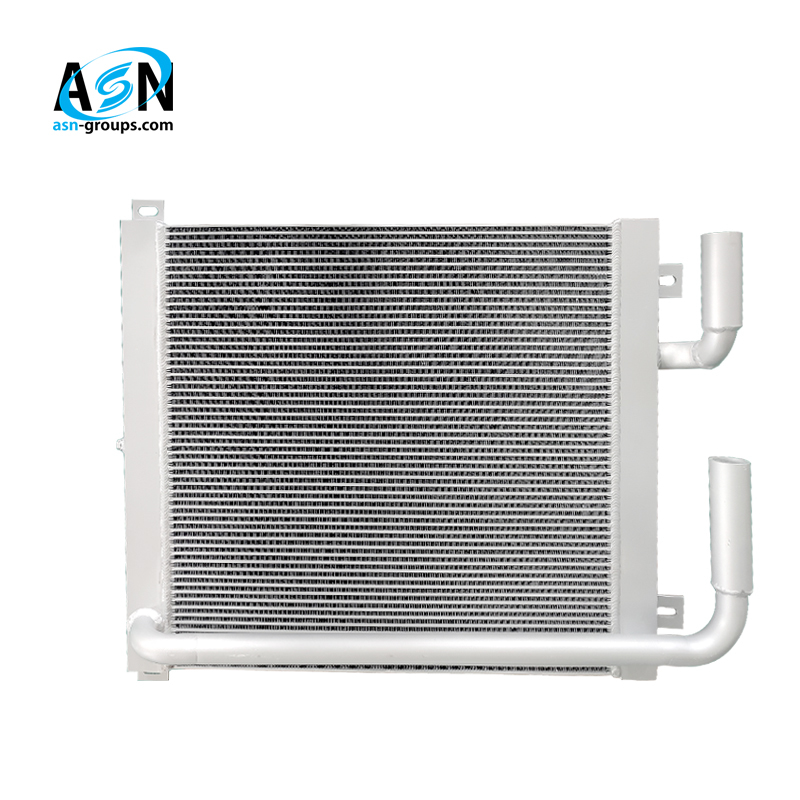
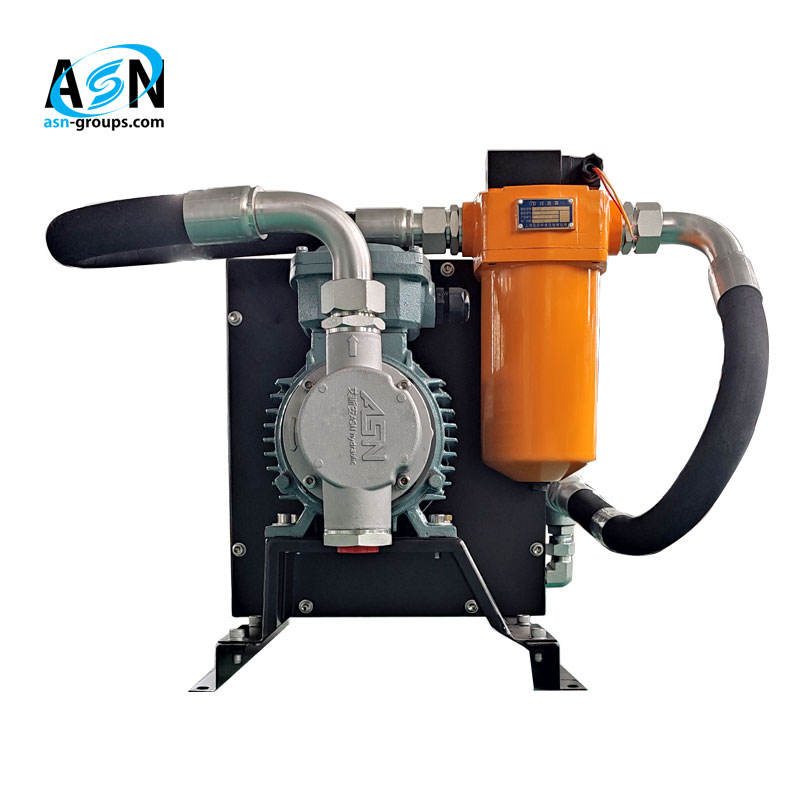
Bu kapsamlı kılavuz ASN'yi araştırıyor 230/380V AC lehimli plakalı ısı eşanjörüendüstriyel soğutma sistemleri için kritik bir bileşendir. B2B satın alma uzmanları için tasarlanan bu makale teknik özellikleri, çalışma prensiplerini, uyumluluk standartlarını ve toptan satın alma hususlarını kapsamaktadır. İster HVAC sistemleri, ister soğutma üniteleri veya endüstriyel proses soğutması için tedarik yapıyor olun, lehimli plakalı ısı eşanjörlerinin avantajlarını anlamak, ölçekte optimum termal yönetim ve maliyet verimliliği sağlar. ASN modellerinin çift voltaj özelliği uluslararası dağıtımlar için olağanüstü esneklik sağlarken, lehimli yapı geleneksel plakalı ısı eşanjörlerinde yaygın olan conta arızası risklerini ortadan kaldırır. Bu analiz, satın alma yöneticilerini tedarikçileri değerlendirmek, toplu fiyat pazarlığı yapmak ve zorlu endüstriyel ortamlar için doğru ısı eşanjörü yapılandırmasını belirlemek için gereken teknik bilgilerle donatır.
Lehimli Plakalı Eşanjör Teknolojisini Anlamak
Lehimli Plakalı Isı Eşanjörlerinin Çalışma Prensibi
Lehimli plakalı ısı eşanjörleri, son derece kompakt bir yığın konfigürasyonunda düzenlenmiş oluklu paslanmaz çelik plakalar kullanan bir karşı akış termal transfer mekanizması kullanır. Her bir plaka, türbülanslı akışa neden olan ve geleneksel düz yüzeyli tasarımlara göre ısı transfer katsayısını önemli ölçüde yükselten bir balıksırtı veya şivron deseniyle tasarlanmıştır. Çalışma prensibi, iki akışkan akışını alternatif kanallardan yönlendirir - sıcak akışkan belirlenmiş portlardan girerken soğuk akışkan karşıt kanallardan geçer - böylece ince metalik bariyerler boyunca maksimum sıcaklık farkını korur. Standart bir 230/380V AC Lehimli Plakalı Isı Eşanjörü, endüstriyel ve ticari HVAC uygulamalarında tutarlı termal performans sağlamak için bu hassas karşı akış mimarisinden yararlanır.
Bakır lehimleme işlemi, plakaları tüm temas noktalarında kalıcı olarak birleştirerek conta veya harici çerçeve sıkıştırma gereksinimini ortadan kaldıran vakum geçirmez bir sızdırmazlık oluşturur. İmalat sırasında, tüm tertibat koruyucu bir atmosfer altında yaklaşık 1100°C'de kontrollü fırın lehimlemesine tabi tutulmadan önce plaka temas bölgelerine yüksek saflıkta bir bakır alaşımı (tipik olarak 99,9% bakır) uygulanır. Bu metalürjik entegrasyon, 30 bar'a (435 psi) kadar çalışma basınçlarına ve -195°C ila +200°C arasında değişen aşırı sıcaklıklara dayanabilen monolitik bir yapı ortaya çıkarır - geleneksel contalı plaka alternatiflerini önemli ölçüde aşan performans parametreleri. Elektrikle çalışan termal sistemler için 230/380V AC Lehimli Plakalı Eşanjör, bu dayanıklı, contasız yapı sayesinde sağlam ve bakım gerektirmeyen bir çözüm sunar.
Ters akış düzenlemesi, ısı değişim döngüsü boyunca mümkün olan en dik sıcaklık gradyanını koruyarak termal verimliliği optimize eder. Sıcak akışkan akışı çıkışına doğru ilerlerken giderek soğurken, karşı plaka yüzeyinde giderek daha soğuk gelen akışkan tarafından sürekli olarak karşılanır. Bu konfigürasyon, 1°C'ye kadar düşük yaklaşım sıcaklıkları sağlar, yani soğutulan ortamın çıkış sıcaklığı, soğutma sıvısının giriş sıcaklığının bir derecesine kadar yaklaşabilir; bu da sıkı sıcaklık düzenlemesi gerektiren uygulamalar için kritik bir avantajdır. Güvenilir güç girişi gerektiren bir sisteme entegre edildiğinde, 230/380V AC Lehimli Plakalı Isı Eşanjörü, bu yüksek termal hassasiyet seviyesinin değişen yük koşullarında tutarlı bir şekilde korunmasını sağlar.
AC Yağ Soğutucuları Neden Lehimli Plaka Tasarımı Kullanır?
AC yağ soğutma uygulamaları, kompakt ayak izi ve olağanüstü basınç direnci kombinasyonu nedeniyle lehimli plaka teknolojisinden özellikle yararlanır. Klima kompresör sistemleri soğutucu akışkan sıkıştırması sırasında önemli ölçüde ısı üretir ve yağlama yağı sıcaklıkları en yüksek yük koşullarında sıklıkla 80°C'yi aşar. Geleneksel kovanlı ve borulu ısı eşanjörleri, eşdeğer soğutma kapasitesi elde etmek için 5-7 kat daha fazla kurulum alanı gerektirdiğinden, alan kısıtlamalarının sistem ekonomisini doğrudan etkilediği modern kompakt HVAC tasarımları için pratik değildir.
Lehimli yapı, conta sıkıştırma setleriyle ilişkili termal döngü yorgunluğunu ortadan kaldırır. Contalı plakalı ısı eşanjörlerinde, açma/kapama döngüleri sırasında tekrarlanan genleşme ve büzülmeler elastomer contaları kademeli olarak bozarak soğutucu akışkan çapraz kontaminasyonuna veya harici sızıntıya yol açar. Lehimli üniteler milyonlarca termal döngü boyunca hermetik bütünlüğü koruyarak bakım müdahalelerini azaltır ve tipik ticari uygulamalarda servis aralıklarını 12-18 aydan 5+ yıla uzatır.
Basınç düşüşü özellikleri, AC uygulamaları için lehimli tasarımları daha da farklı kılmaktadır. Dar kanal boşlukları (tipik olarak 2-4 mm) türbülansa neden olan plaka desenleriyle birleştiğinde, yağın kirlenmesini önleyen ve tutarlı termal performansı koruyan yüksek kesme oranları oluşturur. Laboratuvar testleri, lehimli plakalı ısı eşanjörlerinin sentetik yağ uygulamalarında 10.000 çalışma saatinden sonra 95% başlangıç termal etkinliğini koruduğunu, buna karşılık conta bozulması ve kirlenme birikimi yaşayan eşdeğer contalı modellerde 78-82% tutma sağladığını göstermektedir.
ASN 230/380V AC Isı Eşanjörü Teknik Özellikleri
Elektriksel ve Operasyonel Parametreler
ASN serisi, hem 230V tek fazlı hem de 380V üç fazlı elektrik altyapılarına değişiklik yapmadan uyum sağlayan çift voltaj uyumluluğu ile öne çıkmaktadır. Bu çok yönlülük, farklı elektrik standartlarına sahip bölgelerde ekipmanı standartlaştıran çok uluslu şirketler için çok önemlidir - 230V 50Hz şebekelerde çalışan Avrupa tesisleri, 208-240V konfigürasyonları kullanan Kuzey Amerika tesislerine aynı üniteleri dağıtabilirken, 380V üç fazlı güce sahip endüstriyel tesisler daha yüksek verimlilik değerlerine ve daha düşük amper çekimine erişebilir.
Güç tüketimi soğutma kapasitesiyle orantılı olarak artar ve 15kW termal yükleri idare eden ASN-10 modelleri için 0,75kW ile 60kW ısı atma gereksinimlerini idare eden ASN-30 üniteleri için 3,5kW arasında değişir. Elektrik girişi ve termal kapasite arasındaki ilişki 4,2 ile 5,8 arasında performans katsayısı (COP) değerleri verir, yani her bir watt elektrik gücü proses akışkanından 4,2 ile 5,8 watt termal enerji uzaklaştırır. Maksimum çalışma basıncı soğutucu akışkan tarafında 28 bar'a ve yağ devresinde 16 bar'a ulaşır ve tasarım basınç değerleri PED 2014/68/EU gereklilikleri uyarınca 1,5x güvenlik faktörü içerir.
| Parametre | ASN-10 | ASN-20 | ASN-30 |
|---|---|---|---|
| Soğutma Kapasitesi | 15 kW | 35 kW | 60 kW |
| Gerilim Seçenekleri | 230V / 380V | 230V / 380V | Sadece 380V |
| Güç Tüketimi | 0,75 kW | 1,8 kW | 3,5 kW |
| Maksimum Çalışma Basıncı | 28 bar | 28 bar | 30 bar |
| Akış Hızı (Yağ Devresi) | 45 L/dak | 95 L/dak | 160 L/dak |
| Boyutlar (L×W×H) | 320×180×95 mm | 420×220×115 mm | 520×280×140 mm |
| Ağırlık (Kuru) | 8,5 kg | 16,2 kg | 24,8 kg |
| Bağlantı Boyutu | 1″ BSP | 1,25″ BSP | 1,5″ BSP |
Sıcaklık çalışma aralıkları, sürekli görev döngüleri için -10°C ila +180°C'yi kapsar ve saatte 15 dakikayı aşmayan aralıklı tepe noktaları için +200°C'ye kadar dalgalanma kapasitesine sahiptir. Termal tasarım, 80°C yağ giriş sıcaklığı ve 25°C soğutma sıvısı besleme sıcaklığı standart test koşullarında belirtilen soğutma kapasitesini sağlayan bir logaritmik ortalama sıcaklık farkı (LMTD) hesaplama metodolojisi içerir.
Malzeme Yapısı ve Dayanıklılık
Plaka yapısı, klorür içeren ortamlarda üstün çukurlaşma direnci ve hem sentetik poliol ester (POE) hem de mineral bazlı yağlayıcılarla uyumluluk için seçilen AISI 316 paslanmaz çelik (EN 1.4401) kullanır. 0,4 mm plaka kalınlığı, termal iletkenlik gereksinimlerine karşı yapısal bütünlüğü dengeler; daha ince profiller ısı transferini artırır ancak basınç direncinden ödün verirken, daha kalın malzemeler termal verimliliği azaltır. Sonlu elemanlar analizi (FEA), 0,4 mm 316 paslanmaz çeliğin 30 bar'a kadar basınçlar için bu dengeyi optimize ettiğini doğrulamaktadır.
Bakır lehim alaşımı bileşimi, lehimleme döngüsü sırasında akışkanlığı artırmak için eser fosfor ilaveleri (0,05-0,15%) ile 99,0% minimum bakır içerir. Bu neredeyse saf bakır formülasyonu paslanmaz çelik ile elektrokimyasal uyumluluk sağlayarak sert lehim bağlantılarında galvanik korozyonu önler. Üçüncü taraf metalürjik analizler, plaka temas yüzeylerine 0,15-0,25 mm sert lehim penetrasyon derinliğini doğrulayarak kesme testinde ana malzeme mukavemetini aşan bir difüzyon bağı oluşturur.
ASTM G48 Yöntem A uyarınca yapılan korozyon direnci testleri, 316 paslanmaz çelik plakalar için 25'i aşan çukurlaşma direnci eşdeğer sayısı (PREN) değerleri göstererek deniz ortamları ve kükürt dioksit veya klor bileşikleri içeren endüstriyel atmosferler için uygunluğu ortaya koymaktadır. 60°C'de 3.5% sodyum klorür çözeltisinde hızlandırılmış ömür testi, 2000 saat sonra sıfır çukurlaşma vakası göstererek kıyı tesislerinde veya deniz suyu soğutma kuleleri kullanan tesislerde uzun süreli dayanıklılığı doğrulamaktadır.
Endüstriyel Uygulamalar ve Kullanım Örnekleri
HVAC ve Soğutma Sistemleri
Ticari HVAC kurulumları, özellikle çok katlı ofis binalarına ve konaklama tesislerine hizmet veren değişken soğutucu akışkan (VRF) sistemlerinde ASN lehimli plakalı ısı eşanjörleri için en büyük uygulama segmentini temsil etmektedir. Bu sistemler, kompresör yağlama viskozitesini optimum aralıklarda (çalışma sıcaklığında 32-68 cSt) tutmak, yatak aşınmasını önlemek ve kompresör hizmet ömrünü 40.000 ila 80.000+ çalışma saati arasında uzatmak için yağ soğutma kullanır. Kompakt lehimli tasarım, doğrudan yoğuşmalı ünite tertibatlarına entegre olur ve uzun boru hatları gerektiren uzak kovanlı ve borulu yağ soğutuculara kıyasla soğutucu akışkan şarj gereksinimlerini 15-22% azaltır.
25°C ila +2°C'de çalışan soğuk hava depoları, amonyak ve CO₂ soğutma sistemlerinde vidalı kompresör yağı soğutması için ASN ısı eşanjörlerini kullanmaktadır. Lehimli yapının basınç derecesi, yüksek basınç tarafında 90-130 bar'da çalışan CO₂ transkritik çevrimlerini barındırırken, toksik amonyak soğutucu akışkan ve yağlama yağı devreleri arasındaki ayırma bütünlüğünü korur. Isı geri kazanım konfigürasyonları, defrost suyunu veya alan ısıtma döngülerini önceden ısıtmak için yağ soğutma devrelerinden atık ısıyı yakalayarak soğuk iklim kurulumlarında 8-12%'lik genel sistem verimliliği iyileştirmeleri sağlar.
Veri merkezi hassas soğutma uygulamaları, serbest soğutma ekonomizer döngüleri için lehimli plakalı ısı eşanjörlerinin hızlı termal tepki özelliklerinden yararlanır. Dış ortam sıcaklıkları 12°C'nin altına düştüğünde, kontrol sistemleri soğutma yüklerini mekanik soğutmadan glikolsüz soğutma döngülerine yönlendirir ve yağ soğutucuları kısmi yük koşullarında kompresör bekleme sıcaklıklarını korur. Lehimli ünitelerin düşük termal kütlesi (8,5-24,8 kg), eşdeğer kabuk ve boru tasarımları için 5-8 dakikaya kıyasla 90 saniye içinde mod geçişlerini mümkün kılar.
Üretimde Proses Soğutma
Metal şekillendirme presleri, enjeksiyon kalıplama makineleri ve kalıp döküm ekipmanlarındaki hidrolik güç üniteleri, yağlama yağında atık ısı olarak 25-35% giriş gücü üretir. ASN ısı eşanjörleri, hidrolik sıvı sıcaklıklarını kritik 40-55°C çalışma aralığında tutarak servo valf yapışmasına ve konumlandırma hassasiyetinin azalmasına neden olan viskozite bozulmasını önler. Otomotiv damgalama hatları, 300 L/dak hidrolik akış hızına sahip 2000 tonluk presleri, üretim döngüleri sırasında ±2°C sıcaklık stabilitesini koruyarak 60kW termal yükleri reddetmek için ASN-30 modellerini kullanmaktadır.
Döner vidalı hava kompresörü paketleri, sürekli 8-10 bar tahliye basınçları altında çalışan sentetik yağlayıcılardaki sıcaklıkları yönetmek için lehimli plakalı yağ soğutucuları entegre eder. Kompresör elemanları içindeki yüksek kesme ortamı, yağ sıcaklıklarını 85-95°C'ye yükseltir ve sentetik esterlerin termal bozulmasını önlemek için etkili ısı atımı gerektirir. Otomotiv montaj tesislerinde 250 kW kompresörlerin çalıştırılmasıyla elde edilen saha verileri, ASN ısı eşanjörlerinin 15-35°C arasındaki ortam değişikliklerinde yağ sıcaklıklarını 62°C ±3°C'de tuttuğunu ve yağ değişim aralıklarını 2000 ila 4000 saate kadar uzattığını göstermektedir.
CNC işleme merkezleri, iş mili soğutma devrelerinde ve hidrolik takım değiştirici sistemlerinde lehimli plakalı ısı eşanjörleri kullanır. 12.000-24.000 RPM'de çalışan yüksek hızlı iş milleri, ±5 mikron içinde boyutsal doğruluğu korumak için hassas sıcaklık kontrolü gerektiren konsantre ısı yükleri üretir. Ters akışlı lehimli tasarımlarla elde edilebilen düşük yaklaşım sıcaklıkları, malzeme kaldırma hızlarının 500 cm³/dak'yı aştığı havacılık ve uzay bileşeni işlemede termal stabilite için kritik olan 18-20°C'lik soğutma sıvısı besleme sıcaklıklarına olanak tanır.
Toptan Satın Alma Hususları
Toplu Satın Alma Avantajları ve Fiyatlandırma Stratejileri
ASN ısı eşanjörlerinin toplu tedariki, 50 birimlik minimum sipariş miktarlarından (MOQ) başlayarak kademeli fiyatlandırma yapılarının kilidini açar ve maliyet indirimleri kademeli olarak 500+ birim siparişlere kadar ölçeklenir. Tipik fiyatlandırma mimarisi, 50-99 ünitede 12-15% indirim sunarken, 500 üniteyi aşan siparişlerde tek ünite liste fiyatlarına kıyasla 28-32% indirimlere kadar yükselir. Stratejik alıcılar, üç aylık sürüm programları ile yıllık genel satın alma siparişleri üzerinde pazarlık yaparak, envanter esnekliğini korurken hacim fiyatlandırmasını güvence altına alır ve tam zamanında teslimat düzenlemeleri yoluyla depolama maliyetlerini 40-60% azaltır.
Tedarik süresi optimizasyonu kritik bir tedarik konusudur ve standart üretim döngüleri, satın alma siparişinden fabrika çıkışına kadar 6-8 hafta gerektirir. Bununla birlikte, yüksek hacimli modellerin (230V konfigürasyonunda ASN-20) stratejik envanterini tutan tedarikçiler, 20-50 birimlik siparişleri 10-14 iş günü içinde yerine getirebilir. Teslimatın 4 hafta içinde yapılmasını gerektiren siparişler için 15-20%'lik hızlandırılmış üretim ek ücretleri uygulanmakta, bu da uygun maliyetli tedarik planlaması için önceden talep tahminini gerekli kılmaktadır.
OEM özelleştirme seçenekleri, bağlantı dişi standartlarını (BSP, NPT, metrik), bağlantı noktası yönlerini (sıralı, çapraz, özel açılar) ve yüzey işlemlerini (farmasötik uygulamalar için elektro-parlatma, açık deniz kurulumları için deniz sınıfı kaplama) içerecek şekilde voltaj konfigürasyonlarının ötesine uzanır. Özelleştirme genellikle 10-12 haftalık teslim süreleriyle 100 birimlik minimum taahhütler gerektirir, ancak özel spesifikasyonlar veya bölgesel sertifika uyumluluğu arayan ekipman üreticileri için ürün farklılaştırması sağlar.
Tedarikçi Yeterlilik Kriterleri
ISO 9001:2015 sertifikasyon doğrulaması, tedarikçilerin tasarım kontrolü, üretim süreci doğrulaması ve izlenebilirlik protokollerini kapsayan belgelenmiş kalite yönetim sistemlerini sürdürmelerini sağlayan temel yeterlilik şartını oluşturur. Gelişmiş tedarikçiler ISO 14001 çevre yönetimi sertifikasına ve ISO 45001 iş sağlığı ve güvenliği belgelerine sahiptir ve bu da kurumsal olgunluğu ve tedarik zinciri riskinin azaldığını gösterir. Üçüncü taraf denetimleri, özellikle uygunsuzluk kayıtlarının ve düzeltici faaliyet kapatma oranlarının incelenmesiyle birlikte, önceki 12 ay içindeki uygunluğu doğrulamalıdır.
Endüstriyel sınıf lehimli plakalı ısı eşanjörleri için garanti süreleri tipik olarak devreye alma tarihinden itibaren 24-36 ayı veya sevkiyattan itibaren 30-42 ayı (hangisi önce gerçekleşirse) kapsar. Kapsamlı garantiler malzeme kusurlarını, lehimleme bütünlüğü arızalarını ve üretim uygunsuzluklarını kapsar, ancak yanlış kurulum, belirtilen parametreler dışında çalıştırma veya uyumsuz sıvıların kullanımından kaynaklanan hasarları hariç tutar. Premium tedarikçiler, arıza süresi maliyetlerinin saat başına $5.000'i aştığı kritik uygulamalar için finansal koruma sağlayan, orantılı kapsam ile 60 aylık uzatılmış garantiler sunar.
Satış sonrası destek altyapısı, servis taleplerinin ardından 48-72 saat içinde yerinde devreye alma yardımı, termal performans doğrulama testi ve sorun giderme desteği sağlayabilen bölgesel teknik servis merkezlerini içermelidir. Yedek parça envanterini 24 saat sevkiyat kapasitesiyle koruyan tedarikçiler üretim kesintilerini en aza indirirken, termal görüntüleme analizi ve titreşim izleme yoluyla uzaktan teşhis desteği sunanlar 35-45% ile gereksiz saha ziyaretlerini azaltır. Avrupa, Asya-Pasifik ve Kuzey Amerika'daki bölgesel depolardan konsolide navlun seçenekleri, gümrük dokümantasyon desteği ve çok varışlı dağıtım sağlayan yerleşik tedarikçilerle küresel nakliye lojistiği yetenekleri çok uluslu dağıtımlar için çok önemlidir.
SSS
S1: ASN 230/380V lehimli plakalı ısı eşanjörleri için minimum sipariş miktarı (MOQ) nedir?
Standart MOQ gereksinimleri tedarikçiye ve model konfigürasyonuna göre değişir, tipik olarak 10 ila
Stok özellikleri için 50 birim. 230V konfigürasyonundaki ASN-20 modeli, yüksek üretim hacimleri nedeniyle genellikle daha düşük MOQ'lar (10-20 birim) taşırken, özel bağlantı noktası konfigürasyonlarına sahip ASN-30 gibi özel varyantlar 50-100 birim taahhüt gerektirebilir. Karma model siparişleri sunan tedarikçiler, tedarik ekiplerinin toplam MOQ eşiklerini karşılamak için tek bir satın alma siparişi içinde farklı kapasiteleri birleştirmesine olanak tanıyarak çeşitli uygulama portföyleri için esneklik sağlar.
S2: Bu ısı eşanjörleri hem sentetik hem de mineral bazlı yağlarla çalışabilir mi?
ASN lehimli plakalı ısı eşanjörleri, endüstriyel uygulamalarda yaygın olarak kullanılan ISO VG 32-68 mineral yağlar, sentetik polialfaolefin (PAO), poliol ester (POE) ve polialkilen glikol (PAG) yağlayıcılarla tam uyumluluk gösterir. AISI 316 paslanmaz çelik ve bakır lehimleme malzemeleri, aşınma önleyici bileşikler (ZDDP), pas önleyiciler ve viskozite indeksi geliştiriciler dahil olmak üzere katkı maddelerinden kaynaklanan kimyasal saldırılara karşı dirençlidir. Bununla birlikte, fosfat ester ateşe dayanıklı sıvılar ve belirli silikon bazlı ısı transfer sıvıları, bu özel sıvılar 20.000 saati aşan uzun maruz kalma süreleri boyunca sert lehim bağlantı bütünlüğünü etkileyebileceğinden, uzun vadeli uyumluluk konusunda tedarikçilere danışılmasını gerektirir.
S3: Sürekli endüstriyel kullanımda lehimli plakalı bir ısı eşanjörünün tipik ömrü nedir?
ASN lehimli plakalı ısı eşanjörleri için tasarım ömrü beklentisi, belirtilen parametreler dahilinde çalışan ve uygun şekilde bakımı yapılan sistemlerde 15-20 yıl arasında değişmektedir. HVAC kurulumlarından elde edilen saha güvenilirliği verileri, sistemler yeterli filtreleme (minimum 25 mikron) içerdiğinde ve ISO 4406 18/16/13 veya daha iyisine göre sıvı temizliğini koruduğunda arızalar arasındaki ortalama sürenin (MTBF) 100.000 çalışma saatini aştığını göstermektedir. Hızlandırılmış ömür testi, çalışma ve ortam sıcaklıkları arasındaki termal döngünün, ticari HVAC uygulamalarında 25 yıldan fazla günlük başlatma-durdurma çalışmasına eşdeğer olan 50.000 döngü boyunca sert lehim bağlantı bütünlüğünde ihmal edilebilir bir bozulma ürettiğini göstermektedir.
Sonuç
ASN 230/380V AC lehimli plakalı ısı eşanjörü, kompakt tasarımı sağlam termal performansla birleştirerek endüstriyel soğutma zorlukları için kanıtlanmış bir çözümü temsil eder. Toptan tedarikçi arayan satın alma ekipleri için teknik uyumluluk, malzeme kalitesi ve satıcı güvenilirliğine öncelik vermek, uzun vadeli operasyonel verimlilik sağlar. Stratejik toplu satın alma, hacim eşiklerinde birim maliyetlerini 28-32% azaltmakla kalmaz, aynı zamanda kritik soğutma altyapısı için tedarik zinciri istikrarını da güvence altına alır.
Çift voltaj özelliği, bölgeye özel envanter yönetimi ihtiyacını ortadan kaldırırken, lehimli yapının doğal güvenilirliği, daha uzun bakım aralıkları ve üstün basınç direnci sayesinde toplam sahip olma maliyetini azaltır. Tedarikçileri değerlendirirken, ISO sertifikalarının doğrulanması, garanti kapsamlılığı ve satış sonrası destek altyapısı, optimum yaşam döngüsü değerine ulaşmada ilk birim fiyatı kadar kritik öneme sahiptir. Endüstriyel soğutma talepleri, daha yüksek ekipman güç yoğunlukları ve daha katı enerji verimliliği düzenlemeleri ile yoğunlaştıkça, ASN lehimli plakalı ısı eşanjörünün termal etkinlik, dayanıklılık ve tedarik esnekliği kombinasyonu, onu ileri görüşlü endüstriyel operasyonlar için stratejik bir seçim olarak konumlandırmaktadır.