



Introduction
Hydraulic systems rely on stable operating temperatures to perform reliably, yet heat is an unavoidable by-product of continuous operation. When not properly controlled, excess heat can reduce oil viscosity, increase wear on critical components, and ultimately lead to unplanned downtime and higher maintenance costs. This is where a self circulation cooling system becomes essential.
In practice, cooling performance varies widely across different system designs. Some solutions struggle with fluctuating loads, while others maintain stable, efficient temperature control even in demanding industrial environments. The key difference lies in how the system is engineered and how effectively it manages circulation, heat exchange, and flow stability.
This guide explains the core design principles behind a high-performance self circulation cooling system and what truly matters when selecting one. Whether you are designing a new hydraulic power unit, upgrading existing equipment, or evaluating suppliers for industrial applications, understanding these fundamentals will help you make a more informed and reliable decision.
Understanding the Self Circulation Cooling System: What It Is and How It Works
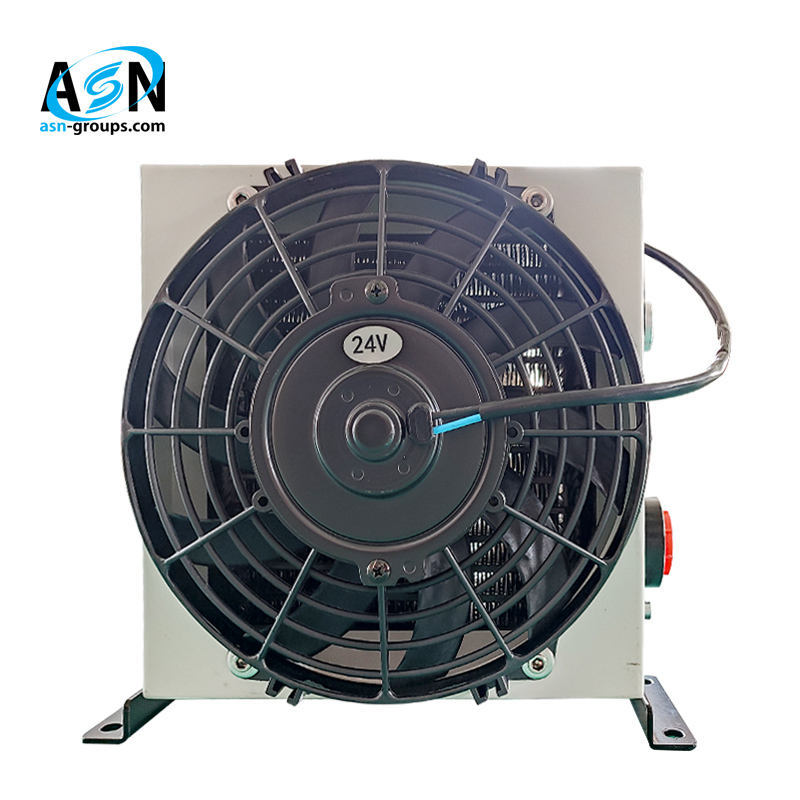
Before discussing design details, it is important to define the system clearly. A self circulation cooling system is a compact, independent cooling unit that integrates a circulation pump, heat exchanger, and often filtration and temperature control functions into a single assembly. Unlike traditional hydraulic cooling setups that rely on the main pump for oil circulation, a self-circulating system operates as a standalone thermal loop.
In operation, an electric motor drives the circulation pump to draw hot hydraulic oil from the reservoir. The oil then passes through an air-cooled heat exchanger, typically designed with a plate-fin structure to improve heat dissipation. A temperature bypass valve controls flow direction, allowing oil to bypass the cooler at low temperatures and pass through it when cooling is required. Some systems also integrate filtration to remove contaminants during circulation.
A key advantage of a self circulation cooling system is its independence from the main hydraulic circuit. Because it uses a dedicated pump, cooling performance remains stable even during low-load or idle conditions, avoiding the fluctuations common in conventional in-line systems.
Why Design Matters: Impact on System Performance
Cooling design directly affects hydraulic system reliability. When oil temperature exceeds about 85°C (185°F), oxidation accelerates, reducing oil quality and increasing wear. Even a 10°C increase above the optimal range can significantly shorten the service life of seals and hoses.
A well-designed self circulation cooling system helps maintain oil temperature within the ideal 40°C–60°C range. This improves oil stability, reduces thermal stress, and extends the life of key components such as pumps, valves, and actuators. Achieving this depends on proper flow design, heat exchanger efficiency, and overall thermal balance.
Core Components of a High-Performance Self Circulation Cooling System
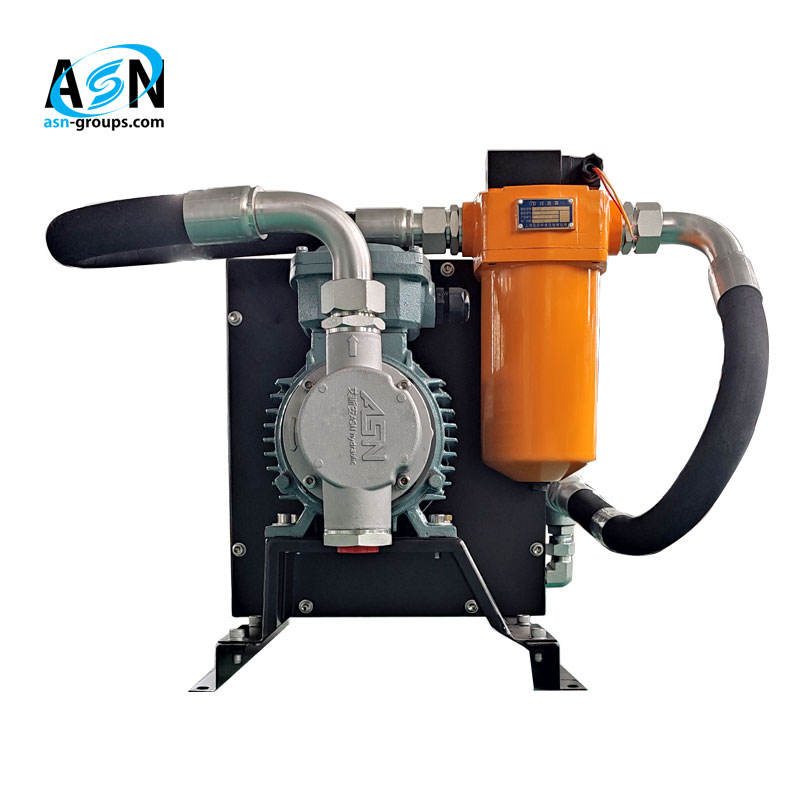
A self circulation cooling system typically consists of four key components, each responsible for maintaining stable hydraulic oil temperature and reliable system operation.
-
Integrated Circulation Pump
The circulation pump provides continuous oil flow through the cooling loop. It must maintain stable performance under varying oil viscosity and system resistance. In most industrial designs, the pump is directly mounted to the heat exchanger, forming a compact and sealed structure that reduces leakage risk and simplifies installation. Depending on application requirements, flow rates may range from 20–30 L/min in smaller systems to over 200 L/min in high-capacity configurations.
-
Heat Exchanger (Air Cooler)
The heat exchanger is responsible for thermal dissipation. Plate-fin or plate-type coolers are commonly used in a self circulation cooling system due to their high heat transfer efficiency and compact design. Cooling capacity is generally calculated based on system heat load, typically around 30% of total hydraulic input power. For example, a 100 kW system may require approximately 30 kW of heat rejection capacity.
-
Temperature Bypass Valve
The bypass valve controls oil flow based on temperature conditions. When oil temperature is below the preset level, fluid bypasses the cooler to avoid unnecessary cooling. Once the temperature rises above the set point, oil is directed through the heat exchanger. This control method helps maintain stable operating temperature and prevents excessive cooling during low-load conditions.
-
Filtration Element
Many self circulation cooling system designs include an integrated filter to remove contaminants during circulation. This allows the system to perform both cooling and oil cleaning in a single loop, helping reduce particle-related wear and maintain oil cleanliness over time.
Key Design Factors That Define a High-Performance Self Circulation Cooling System
Selecting a reliable self circulation cooling system requires attention to several critical design parameters that directly affect performance, durability, and installation suitability.
-
Pressure Rating and Structural Strength
Hydraulic environments often involve high and fluctuating pressures. A self circulation cooling system intended for industrial use must be structurally robust to prevent leakage or mechanical failure under load. Typical systems are designed for operating pressures between 2.6 MPa and 4.0 MPa (approximately 377 to 580 psi). This level of strength allows flexible installation in return-line configurations and, in some cases, compatibility with higher-pressure sections depending on system design.
-
Operating Temperature Range
A stable self circulation cooling system should maintain performance across varying environmental conditions. Industrial-grade units are generally designed for operation in ambient and oil temperatures ranging from -20°C to 80°C (-4°F to 176°F). This ensures reliable operation in both low-temperature outdoor applications and high-heat manufacturing environments.
-
Compact Installation Design
Space constraints are common in hydraulic power units and machinery enclosures. For this reason, a self circulation cooling system is typically designed with a compact structure that balances cooling capacity and installation flexibility. Mid-range systems often feature dimensions around 730 mm × 513 mm × 413 mm, with support for both vertical and horizontal mounting configurations to adapt to different layouts.
-
Energy Efficiency and Acoustic Performance
Energy consumption and noise levels are important considerations in continuous industrial operation. Efficient motor systems and optimized fan designs help reduce power usage while maintaining cooling performance. In many modern configurations, a self circulation cooling system can operate at noise levels below 70 dB(A) at 1 meter, making it suitable for environments with strict operational or workplace noise requirements.
-
Maintenance Accessibility
Ease of maintenance has a direct impact on long-term system reliability. Well-designed units typically include replaceable filters, accessible drain ports, and visual inspection windows to support routine servicing. Quick-disconnect hydraulic and electrical interfaces can further reduce downtime during installation or maintenance activities.
Self Circulation Cooling System vs. Traditional In-Line Cooling: A Side-by-Side Comparison
To appreciate the advantages of a dedicated self circulation cooling system, it helps to compare it directly with conventional cooling approaches. Here is how they stack up:
| Comparison Factor | Self Circulation Cooling System | Traditional In-Line Cooler |
|---|---|---|
| Cooling during system idle | Yes—continues circulating independently | No—requires the main pump to be running |
| Pressure fluctuation impact | Minimal—separate pump isolates cooler from system surges | Significant—cooler sees full system pressure spikes |
| Filtration integration | Easy—filter can be built into the circulation loop | Difficult—requires separate filter installation |
| Installation complexity | Moderate—self-contained unit with simple connections | High—must be plumbed into the main hydraulic circuit |
| Consistent cooling performance | High flow rate is independent of the main system load | Variable—depends on main pump flow and system pressure |
| Energy efficiency | Good—bypass valve prevents overcooling | Moderate—cooler runs whenever the system is on |
| Maintenance convenience | Excellent—components are accessible in one location | Fair—components may be distributed across the system |
Data compiled from industry sources
As the table shows, a self circulation cooling system offers distinct advantages in performance consistency, maintenance convenience, and operational flexibility. The initial investment may be higher than a simple in-line cooler, but the long-term benefits—reduced downtime, extended component life, and lower maintenance costs—typically justify the premium.
Real-World Applications: Where Self Circulation Cooling Systems Are Used
A self circulation cooling system is widely applied in hydraulic and industrial systems where stable oil temperature control is critical for performance and equipment longevity. Its independent circulation design allows it to operate effectively across different working conditions and equipment types.
-
Hydraulic Power Units
Hydraulic power units used in continuous-duty applications such as injection molding machines, hydraulic presses, and material handling systems generate constant thermal loads during operation. In these systems, a self circulation cooling system helps stabilize oil temperature regardless of load variation, reducing thermal stress on pumps and valves and supporting consistent cycle performance.
-
Gearboxes and Transmission Systems
Industrial gearboxes operating under heavy torque conditions often experience gradual heat buildup that affects lubricant performance. In these applications, self circulation cooling systems are used to maintain stable oil temperature and reduce thermal degradation, particularly in systems where long operating cycles increase the risk of wear and efficiency loss.
-
Mobile and Heavy-Duty Equipment
Construction machinery, agricultural vehicles, and mining equipment operate under highly variable environmental conditions. A self circulation cooling system is often selected for its ability to maintain stable thermal control in both low and high ambient temperatures, where conventional cooling methods may be affected by load fluctuations and airflow limitations.
-
Marine and Offshore Systems
Marine hydraulic systems and offshore equipment face additional challenges such as limited installation space and corrosive operating environments. Self circulation cooling systems are commonly applied in these settings to support compact system layouts while maintaining reliable cooling performance under continuous operation.
-
Industrial Motors and Bearing Cooling
Large industrial motors and bearing assemblies generate significant localized heat during operation. In such applications, self circulation cooling system units are used to circulate lubricating oil through external cooling loops, helping control bearing temperature and reduce long-term maintenance requirements.
The Role of Customization in Self Circulation Cooling System Design
No two industrial applications are exactly alike. That is why the best self circulation cooling system manufacturers offer extensive customization options. Common customizations include:
-
Logo and branding: Systems can be finished with customer-specific colors and logos
-
Packaging: Custom packaging solutions for bulk orders or specific shipping requirements
-
Flow rate tuning: Pumps and coolers can be sized to match specific flow requirements, from as low as 20 mL/min to over 200 L/min
-
Filtration options: Various filter micron ratings and bypass settings to suit different oil cleanliness requirements
-
Mounting configurations: Vertical, horizontal, or custom bracket designs to fit available space
Customization ensures that the self circulation cooling system integrates seamlessly into the existing machinery layout, minimizing installation time and maximizing performance.
Maintenance Best Practices for Long-Term Performance
Even the best-designed self circulation cooling system requires regular maintenance to deliver optimal performance over its service life. Here are the key practices to follow:
Monitor oil temperature regularly. Install a temperature gauge or use the system’s built-in thermostat to verify that oil temperatures remain within the recommended range. Sudden temperature increases often indicate a problem with the cooler, bypass valve, or pump.
Change filters according to the schedule. The filter element in a self circulation cooling system traps contaminants that would otherwise circulate through the hydraulic system. Replace the filter at the manufacturer-recommended intervals—or more frequently in dirty environments.
Inspect the cooler core for blockages. Air-cooled heat exchangers can become clogged with dust, debris, or oil residue. Regularly cleaning the cooler fins with compressed air or a soft brush restores heat transfer efficiency.
Check for leaks. Inspect all hydraulic connections, seals, and the pump housing for signs of leakage. Even small leaks can lead to oil loss and reduced cooling performance over time.
Verify pump operation. Listen for unusual noises from the circulation pump—grinding, whining, or excessive vibration may indicate bearing wear or cavitation. Flow rate measurements can confirm whether the pump is delivering the rated output.
What the Industry Says
Industry experts consistently emphasize the importance of proper cooling system selection. According to fluid power specialists, “a properly sized oil cooler is required in the hydraulic system to avoid heating problems and expensive downtime due to system failure”.
The benefits of self-circulating designs are well-documented. These systems deliver “constant cooling performance and a higher durability, because there are no pressure vibrations or peaks in the cooler unit”. This pressure stability is a critical advantage over traditional in-line coolers, which are exposed to the full pressure fluctuations of the main hydraulic circuit.
Research also highlights the energy-saving potential of intelligent cooling systems. Advanced designs can “achieve effective and adaptive cooling according to the external thermal environment, avoid fluctuation and vapor block phenomenon… and reduce the driving equipment and control unit”.
Making the Right Choice: What to Look for When Buying
If you are in the market for a self circulation cooling system, keep these selection criteria in mind:
-
Match cooling capacity to heat load: Calculate your system’s heat rejection requirements—typically around 30% of installed input power—and select a cooler that meets or exceeds that figure.
-
Verify pressure rating: Ensure the system’s maximum pressure rating exceeds your hydraulic system’s maximum operating pressure.
-
Check temperature range: Confirm that the system’s operating temperature range covers your expected ambient and oil temperature conditions.
-
Evaluate flow rate: The system’s flow rate should be compatible with your reservoir size and heat exchange requirements.
-
Consider customization options: If you have specific branding, packaging, or mounting requirements, choose a manufacturer that offers customization.
-
Review warranty and support: Look for manufacturers that provide mechanical test reports, video outgoing inspections, and responsive technical support.
Conclusion
A well-designed self circulation cooling system provides stable thermal performance across a wide range of operating conditions while integrating smoothly into existing hydraulic systems. Its overall reliability depends on several key factors, including pressure rating, operating temperature range, compact structure, integrated filtration, and temperature bypass control.
In practical use, whether applied to hydraulic power units, gearboxes, or mobile equipment, a self circulation cooling system helps reduce thermal stress, extend component life, and lower total maintenance costs. Because it operates independently from the main hydraulic circuit, it can maintain consistent cooling performance even under fluctuating load conditions.
When selecting a system, it is important to consider not only cooling capacity but also installation space, working environment, and maintenance requirements. Units that combine a circulation pump, efficient heat exchanger, bypass valve, and optional filtration in a compact design generally offer better long-term stability and easier system integration.
For specific applications or customized requirements, consulting with an experienced manufacturer can help ensure the self circulation cooling system is properly matched to your hydraulic load and operating conditions. A well-selected system can significantly improve operational stability and reduce long-term maintenance pressure.