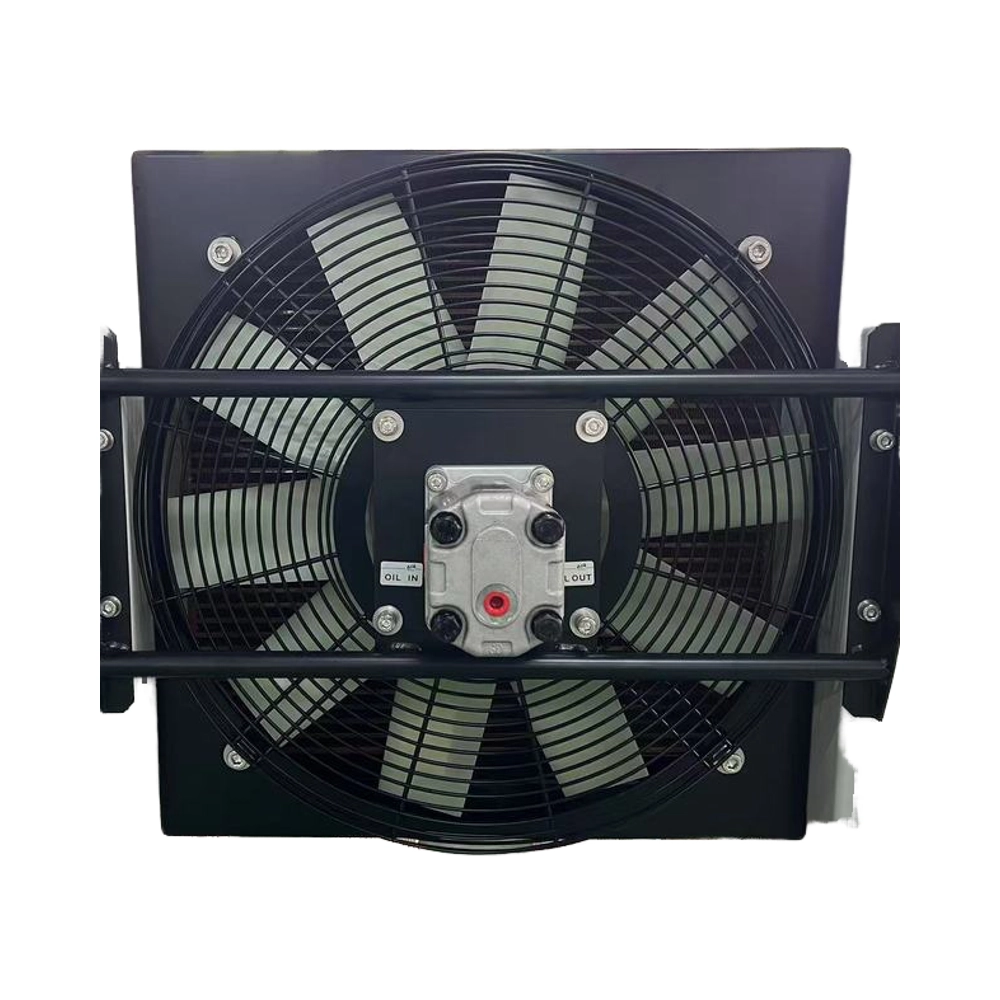
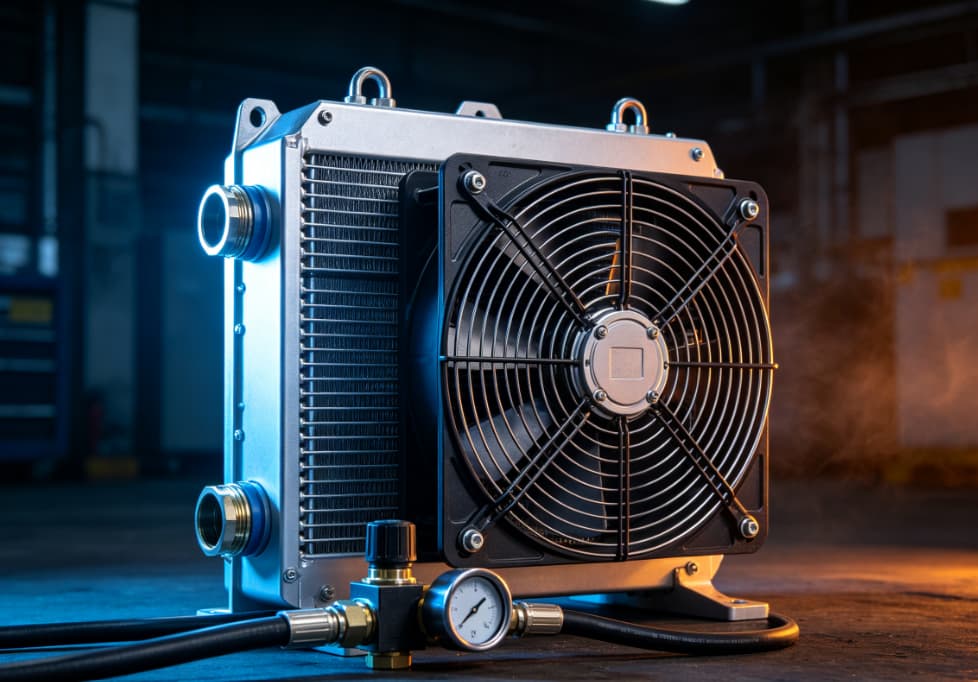
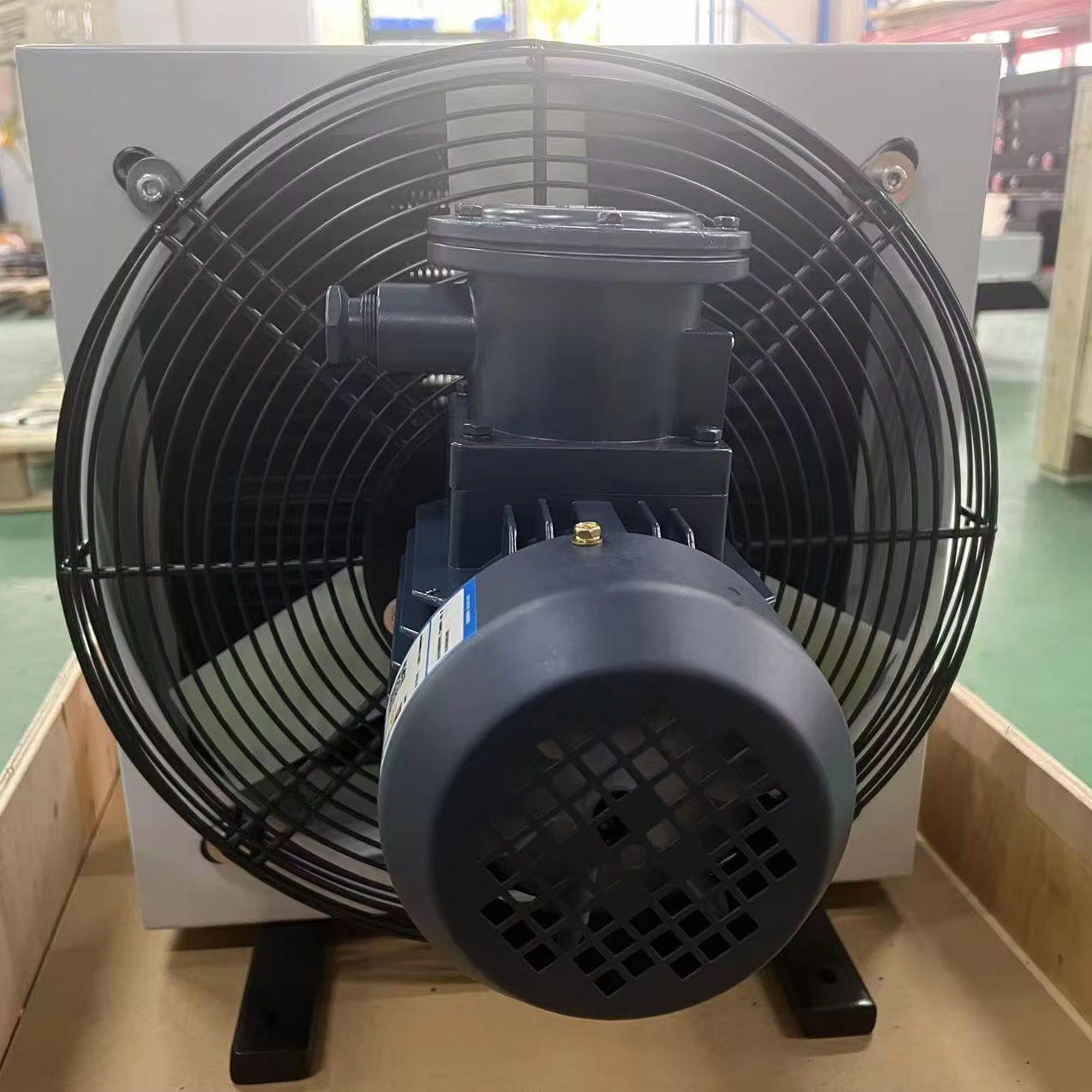
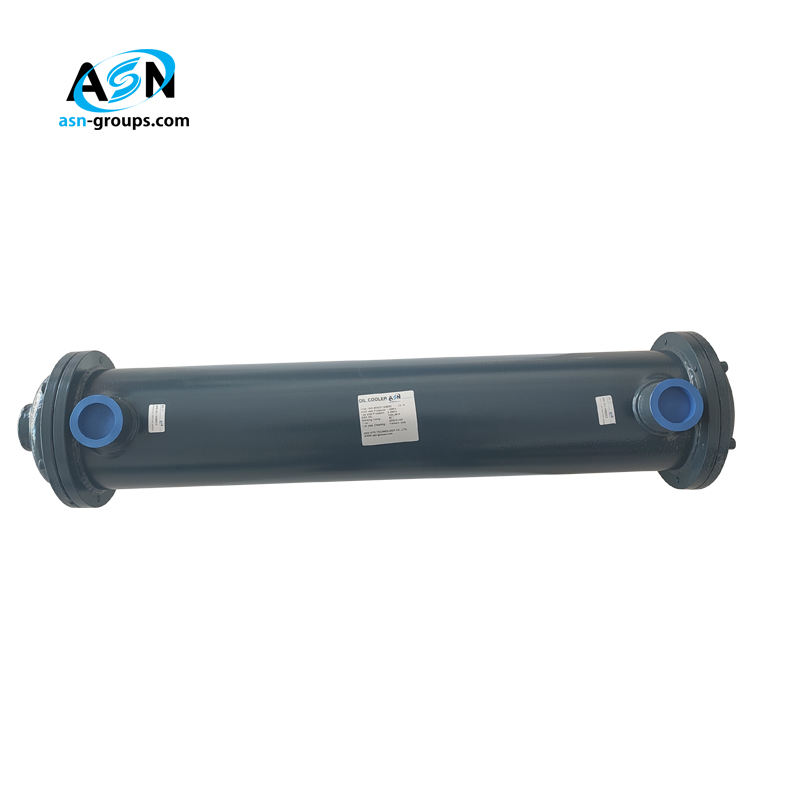
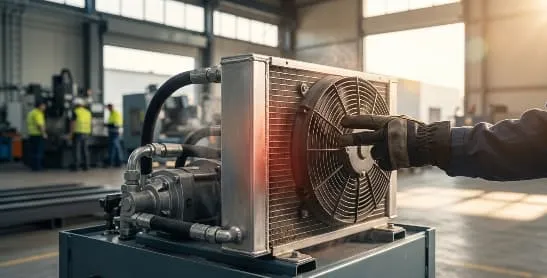
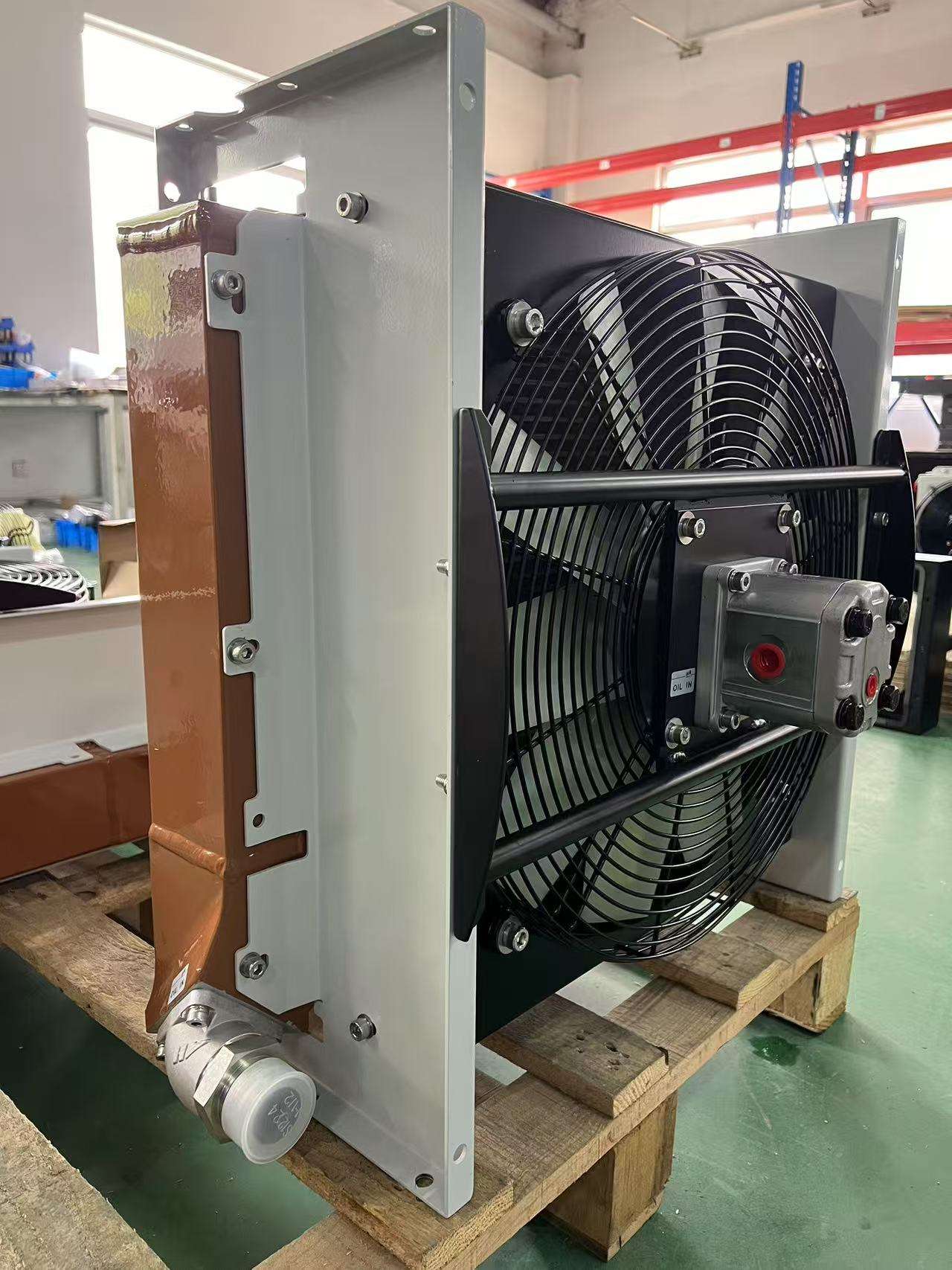
Discover how to choose the right hydraulic oil cooler for overheating prevention. Learn about sizing, air vs water cooling, applications, and maintenance tips.
Compare brazed vs gasketed plate heat exchangers to understand differences in performance, maintenance, fluid compatibility, and applications for the right selection.
Learn how to diagnose hydraulic heat exchanger overheating, select the right cooler, and improve system reliability through proper sizing, materials, and thermal management.
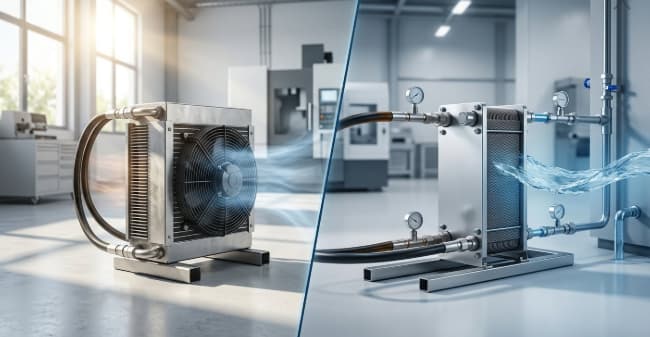
Compare air-cooled and water-cooled hydraulic oil coolers by cost, performance, and applications. Learn how to choose the right cooling solution for reliable hydraulic system operation.
Discover why Hydraulic Oil Cooler systems overheat, how to diagnose common issues, and how proper maintenance improves reliability and extends equipment life.
Learn how to select the right hydraulic oil cooler for CNC machines through heat load calculation, cooling performance evaluation, compliance requirements, and supplier qualification strategies.
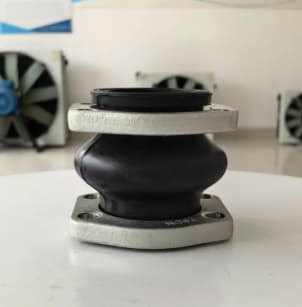
Hydraulic rubber compensators absorb vibration, reduce noise, and compensate for multi-directional movement in piping systems—protecting pumps, valves, and equipment across industrial applications.