


現代の建設機械は、かつての重くて機械的に単純な機械をはるかに超えて進化している。今日の機械、特に小型建設機械は、高性能エンジン、油圧システム、電子制御、およびますます厳しくなるパッケージング・レイアウトを統合しています。これらのシステムがより強力でコンパクトになるにつれ、効果的な熱管理は単なる性能向上要因ではなく、信頼性、安全性、耐用年数のための基本的な要件となっています。
この熱管理の課題の中心には、次のようなものがある。 建設機械用プレート式熱交換器.この部品は、エンジン、油圧回路、および補助システム全体の動作温度を調整する上で重要な役割を果たします。効率的な放熱がなければ、最先端の機械であってもオーバーヒート、早期摩耗、作動油の劣化、予期せぬダウンタイムが発生する危険性があります。
コンパクトな建設機械では、スペースの制約がこうした課題を増幅させます。設計者は、非常に限られた設置範囲の中で、冷却効率、耐圧性、重量、耐久性、コストのバランスを取らなければなりません。そこで プレート式熱交換器技術 が特に効果的であることが証明された。
建設機械におけるプレート式熱交換器
プレート式熱交換器は、2つの流体を混合させることなく熱を伝達するために、間隔が狭い薄いプレートを連続して使用する熱伝達装置の一種である。熱は伝導によってプレートを通して伝わり、流体の流れパターンは両側で対流を促進する。
従来のチューブ・アンド・シェル式熱交換器と比較して、プレート式熱交換器は建設機械において特に価値のあるいくつかの利点を提供する:
-
単位体積当たりの熱伝達効率が高い
-
小型軽量構造
-
より速い熱応答
-
より少ない液量要件
-
狭いスペースへの組み込みが容易
建設機械では、プレート式熱交換器が一般的に使用されている:
-
エンジンオイル冷却
-
作動油冷却
-
トランスミッションオイル冷却
-
冷却水の熱交換
-
補助システムの熱制御
プレート式熱交換器はコンパクトであるため、次のような用途に特に適しています。 ミニ建設機械センチメートル単位のスペースと1キログラム単位の重量が重要なのだ。
ミニ建設機械に特殊な熱交換器が必要な理由
ミニショベル、スキッドステアローダー、コンパクトローダー、小型産業機械などのミニ・コンパクト建設機械は、大型機械とは異なる特殊な条件下で作動する。
第一に、これらの機械は、そのサイズに比して高い負荷レベルで働くことが多い。エンジンと油圧システムは、十分なパワーを供給するために設計限界近くまで追い込まれるため、発熱量が増大する。
第二に、エアフローが通常より制限される。エンジンコンパートメントが小さく、ラジエターの表面積が小さく、レイアウトが狭いため、自然放熱が難しくなる。
第三に、これらの機械は厳しい環境で使用されることが多い。建設現場は、粉塵、振動、極端な温度、断続的な高負荷に機器をさらすが、これらすべてが冷却システムにさらなるストレスを与える。
A ミニ機器のために設計された建設機械プレート熱交換器 そのため、高い熱効率と堅牢な機械的強度、コンパクトな寸法、幅広い動作条件にわたる安定した性能を両立させる必要がある。
ASN新型ミニ建機プレート式熱交換器の概要
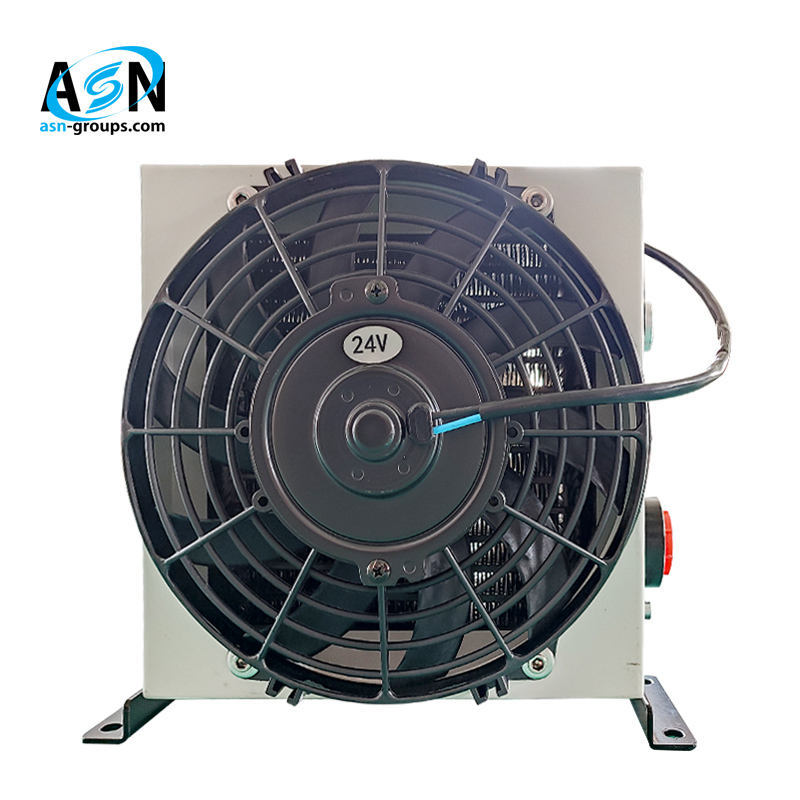
ASN新型小型建設機械用プレート式熱交換器は、小型建設機械や産業機械の熱管理ニーズに対応するために特別に設計されています。
この熱交換器は、エンジンインターフェース、クーラーコア、モーター関連要素などの重要なコンポーネントをコンパクトなアルミニウム構造に統合しています。効率性、耐久性、コスト競争力を重視した設計で、純正品メーカーだけでなくアフターマーケットにも適しています。
この熱交換器の主な設計目標は以下の通り:
-
限られたスペースでの効率的な熱伝達
-
広い温度範囲で安定した動作
-
様々な流量と圧力への適合性
-
軽量構造で取り付けが容易
-
工業的作業条件下での長寿命
これらの目標に焦点を当てることで、この熱交換器は実際の建設機械の運転における実用的な要求を満たしている。
材料の選択と構造設計
材料の選択は熱交換器の性能の基本的な要因です。ASNミニ建設機械用プレート式熱交換器は、主に以下の材料で製造されています。 アルミニウム熱管理用途に広く使用されている材料である。
アルミニウムにはいくつかの利点がある:
-
熱伝導率が高く、迅速な熱伝達が可能
-
低密度でシステム全体の重量を軽減
-
適切に処理すれば耐食性に優れる
-
優れた加工性と成形特性
In compact machinery, weight reduction directly improves fuel efficiency, ease of installation, and overall machine balance. Aluminum construction allows the heat exchanger to maintain structural strength while keeping total weight to approximately 9 kilograms, which is ideal for mini equipment.
The plate structure is designed to maximize surface area while maintaining sufficient mechanical rigidity. Carefully engineered plate geometry promotes turbulent flow at relatively low pressure drops, improving heat transfer efficiency without excessive pumping energy.
Integrated Core Components and System Compatibility
One of the distinguishing features of the ASN mini plate heat exchanger is its integration of core components. The system includes interfaces for the engine, cooler core, and motor-related components, allowing seamless integration into construction machinery cooling circuits.
This integrated approach offers several benefits:
-
Simplified system layout
-
Reduced the number of external connections
-
Lower risk of leakage
-
Faster installation during machine assembly
-
Improved reliability over long-term operation
By reducing system complexity, the heat exchanger contributes to easier maintenance and lower total cost of ownership.
Thermal Performance and Operating Range
Construction machinery often operates in environments with significant temperature variation. Equipment may be started in cold winter conditions and then run continuously under heavy load during hot summer days.
The ASN mini construction machinery plate heat exchanger is designed to operate reliably across a temperature range from -20°C to 100°C. This wide operating range ensures stable thermal performance in most global construction environments.
At low temperatures, the material and internal flow design help prevent brittleness and flow restriction. At high temperatures, the aluminum plates maintain structural stability while efficiently dissipating heat.
This temperature resilience is critical for maintaining consistent machine performance and avoiding thermal-related failures.
Liquid Flow Capacity and Pressure Resistance
Another key consideration in construction machinery cooling systems is fluid flow capacity. Hydraulic and lubrication systems may experience widely varying flow rates depending on operating conditions.
The ASN plate heat exchanger supports a liquid flow rate range from 5 to 800 liters per minute, making it adaptable to a broad range of system designs. This flexibility allows the same heat exchanger platform to be used across multiple machine models or configurations.
In addition to flow capacity, pressure resistance is essential. Construction machinery hydraulic systems often operate under high pressure, and cooling components must withstand these forces without deformation or leakage.
With a maximum pressure rating of 2.5 MPa, the heat exchanger provides a strong safety margin for most compact machinery applications. This pressure resistance contributes to long-term durability and reliable operation under fluctuating loads.
Compact Dimensions and Installation Advantages
Space is always at a premium in mini construction machinery. The ASN heat exchanger’s compact dimensions—approximately 35 × 31 × 15 centimeters—make it easy to integrate into tight engine compartments or modular equipment layouts.
The compact footprint offers several practical advantages:
-
Greater design freedom for machine manufacturers
-
Easier retrofitting in existing equipment
-
Reduced need for complex mounting structures
-
Improved airflow management around the heat exchanger
Because the unit is lightweight and compact, installation and replacement are simpler, reducing labor time during assembly or maintenance.
Applications in Construction and Industrial Machinery
The versatility of the construction machinery plate heat exchanger makes it suitable for a wide range of applications.
Mini Construction Machinery Cooling Systems
Mini excavators, compact loaders, and small trenchers rely on efficient cooling to maintain engine and hydraulic performance. The plate heat exchanger supports continuous operation under load while preventing overheating.
Hydraulic Systems in Compact Equipment
Hydraulic oil temperature directly affects viscosity, efficiency, and component wear. The heat exchanger helps maintain optimal oil temperature, improving system responsiveness and extending component life.
Engine Cooling and Heat Transfer
In small engines with limited radiator capacity, supplemental heat exchangers play a crucial role in managing thermal loads. Plate heat exchangers provide high efficiency without adding excessive bulk.
Industrial and Mobile Equipment
Beyond construction sites, compact industrial machinery such as mobile power units, generators, and specialized processing equipment also benefit from efficient plate heat exchanger solutions.
Performance Advantages Over Traditional Cooling Solutions
Compared with air-cooled radiators or tube-type oil coolers, plate heat exchangers offer several performance advantages in compact machinery.
They achieve higher heat transfer efficiency for a given size, allowing designers to reduce overall cooling system volume. Their enclosed design protects internal surfaces from external contamination, which is especially important in dusty construction environments.
Additionally, plate heat exchangers respond quickly to changes in load, helping stabilize operating temperatures during intermittent or variable-duty cycles common in construction work.
Quality Assurance and Inspection Standards
Reliability is critical in construction machinery components. The ASN mini construction machinery plate heat exchanger is supplied with machinery test reports and video outgoing inspection, providing transparency and confidence in product quality.
These inspection measures ensure that each unit meets specified performance and safety standards before delivery. For equipment manufacturers and distributors, this documentation simplifies quality control and compliance processes.
Customization Options for OEM and Project Requirements
Different machinery applications often require tailored solutions. ASN offers customization options to accommodate specific customer needs.
Customizable features include:
-
Logo branding for OEM identification
-
Customized packaging to match logistics or branding requirements
The availability of customization starting from a minimum order of one piece is particularly valuable for small manufacturers, prototype development, or specialized projects.
Packaging and Logistics Considerations
Efficient packaging is essential for protecting precision components during transportation. Each heat exchanger is packaged as a single unit, with packaging dimensions closely matching the product size to minimize wasted space.
The compact packaging and manageable gross weight simplify handling, storage, and international shipping, reducing overall logistics costs.
Maintenance and Service Life Considerations
Plate heat exchangers are generally low-maintenance components when properly integrated into clean fluid systems. The aluminum construction resists corrosion, while the enclosed plate structure minimizes exposure to contaminants.
Routine system maintenance—such as fluid filtration and periodic inspection—helps ensure long service life. In the event of replacement, the compact design allows quick removal and installation, minimizing machine downtime.
Economic Value and Cost Efficiency
In construction machinery, component cost must be balanced against performance and durability. The ASN mini construction machinery plate heat exchanger is positioned as a cost-competitive solution without compromising on essential performance characteristics.
High thermal efficiency reduces the need for oversized cooling systems, while reliable operation lowers the risk of expensive downtime. Over the equipment lifecycle, these factors contribute to strong overall value.
Future Trends in Construction Machinery Heat Exchangers
As construction machinery continues to evolve, thermal management systems will face new challenges. Increasing electrification, hybrid powertrains, and stricter emissions regulations will place additional demands on cooling components.
Plate heat exchanger technology is well-suited to adapt to these trends. Its modular nature, high efficiency, and material flexibility allow engineers to design systems for new power architectures and operating profiles.
Compact, lightweight heat exchangers will play an even greater role as machinery becomes more integrated and space-constrained.
The construction machinery plate heat exchanger is a critical component in modern compact equipment. By combining efficient heat transfer, robust mechanical design, and compact dimensions, it addresses the real-world challenges faced by mini construction machinery.
The ASN New Mini Construction Machinery Plate Heat Exchanger exemplifies these principles. With aluminum construction, a wide operating range, flexible flow capacity, and strong pressure resistance, it offers a reliable solution for engine and hydraulic cooling in demanding environments.
For equipment manufacturers, system designers, and industrial users, selecting the right plate heat exchanger is a strategic decision that directly impacts machine performance, reliability, and operating cost. In this context, compact plate heat exchangers represent a mature and future-ready technology for construction machinery thermal management.