


Abstract
A hydraulic oil cooler is essential for maintaining stable hydraulic system temperatures by removing excess heat from hydraulic fluid. When a hydraulic oil cooler keeps overheating, the problem may come from poor heat dissipation, restricted airflow, fluid issues, or excessive system load.
This guide explains 5 key checks to identify the root causes of hydraulic oil cooler overheating, including cooler condition, airflow performance, fluid quality, system load, and internal component issues. It also provides practical troubleshooting methods and maintenance tips to improve cooling efficiency, extend equipment life, and prevent costly hydraulic failures.
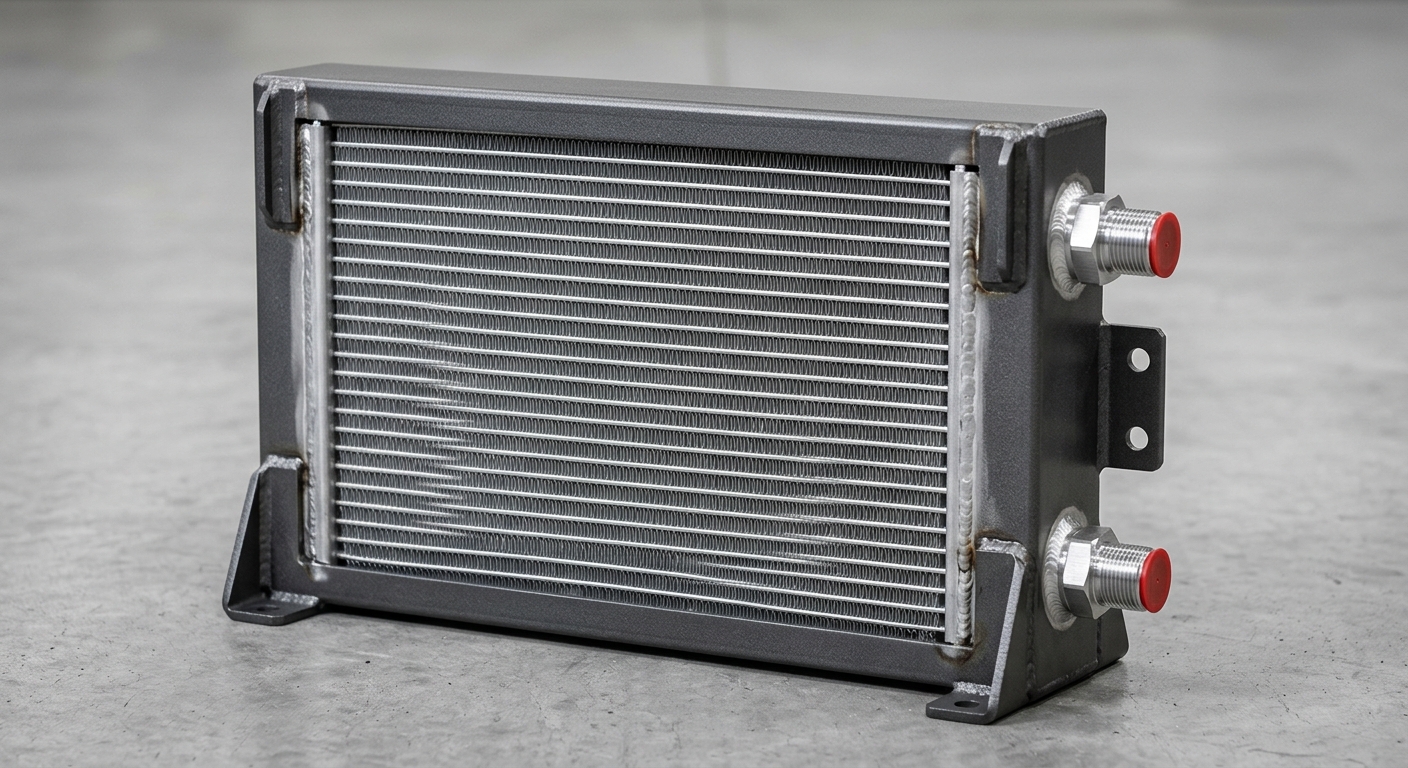
Why Does Your Hydraulic Oil Cooler Keep Overheating? (Root Cause Overview)
Common Failure Patterns and Warning Signs
A hydraulic oil cooler typically overheats when heat generation exceeds its cooling capacity. The root causes usually fall into three main categories: insufficient heat dissipation, excessive system heat generation, and degraded hydraulic fluid. Identifying the correct cause early helps prevent unnecessary component replacement and restore normal system performance faster.
1. Restricted Heat Dissipation
The hydraulic oil cooler cannot remove heat efficiently due to clogged fins, blocked airflow, dirty cooling surfaces, or insufficient heat rejection capacity for the actual operating conditions. This issue is especially common in dusty industrial environments and high-temperature applications where cooling demand exceeds the original design conditions.
2. Excessive Heat Generation
The hydraulic system itself may generate more heat than the cooler can handle. Common causes include incorrectly adjusted pressure relief valves, inefficient pumps or motors, excessive internal leakage, and continuous operation beyond the equipment’s rated load parameters.
3. Hydraulic Fluid Degradation
Aged, contaminated, or incorrect-viscosity hydraulic oil reduces heat transfer efficiency and increases operating temperature. Poor fluid condition can also accelerate seal deterioration, valve sticking, and wear of critical hydraulic components.
Early Warning Signs of Hydraulic Oil Cooler Problems
Monitor these indicators to detect potential overheating issues:
- Hydraulic oil temperature consistently above 60°C (140°F)
- Noticeable viscosity changes during oil inspections
- Unusual pump noise indicating possible cavitation
- Increasing pressure drop across the cooler circuit
- Darkened oil color or burnt odor from fluid oxidation
How Hydraulic Oil Cooler Overheating Damages the Hydraulic System
Overheating rarely affects only the cooler itself. Excessive temperatures can accelerate hydraulic oil oxidation, causing seals to harden, crack, and develop leakage. As oil viscosity decreases, pump efficiency declines, cavitation risk increases, and control valves may experience sticking caused by varnish and contamination buildup.
For industrial applications, repeated overheating can lead to unexpected downtime, increased maintenance costs, and shortened component service life. Early diagnosis of hydraulic oil cooler problems helps reduce unnecessary repairs and maintain reliable system performance.
5 Essential Checks for Hydraulic Oil Cooler Troubleshooting
A systematic inspection process helps identify whether overheating is caused by the cooler itself, operating conditions, or related hydraulic components. The following 5 checks cover the most common failure points and provide practical methods to diagnose hydraulic oil cooler problems.
Check 1: Inspect Hydraulic Oil Cooler Core and Fin Condition
Inspect the cooler’s external fins for contamination caused by dust, debris, oil mist, or other buildup. Even partial fin blockage can significantly reduce heat rejection performance and limit the cooler’s ability to remove excess heat.
Clean aluminum fin cores using compressed air or low-pressure water to restore airflow. Avoid high-pressure washing, as it may bend the fins and further reduce cooling efficiency.
For internal inspection, measure the pressure difference between the cooler inlet and outlet. A pressure drop above the manufacturer’s recommended range usually indicates internal blockage, which may require flushing or cooler core replacement.
Check 2: Verify Airflow and Fan System Performance
Confirm that cooling fans operate at the correct speed and that fan blades are free from damage. Inspect the fan shroud and sealing condition, as gaps between the fan and cooler can cause hot air recirculation and reduce overall cooling performance.
Also check the surrounding installation space to ensure sufficient airflow clearance. For equipment installed in enclosed compartments, verify that ventilation channels are clean and that the air entering the cooler remains within the designed temperature range.
Check 3: Check Hydraulic Fluid Quality and Specification
Inspect hydraulic fluid condition by checking its color, odor, and contamination level. If viscosity changes or oxidation is suspected, perform laboratory oil analysis to evaluate fluid health.
Make sure the installed hydraulic oil matches the system’s required ISO VG grade. Using oil with an incorrect viscosity can increase internal leakage, generate additional heat, and reduce overall system efficiency.
Regular oil replacement is also important because aged fluid can create oxidation deposits that reduce heat transfer efficiency and accelerate wear of hydraulic components.
Check 4: Evaluate System Load and Pressure Settings
Determine whether the hydraulic system is operating within its original design parameters. Continuous operation beyond rated capacity can create heat loads that exceed the hydraulic oil cooler’s cooling capability.
Check pressure relief valve settings according to OEM specifications. Incorrect settings can cause unnecessary bypass flow and convert hydraulic energy into excess heat.
Pump and motor efficiency should also be evaluated through flow and pressure testing. Reduced output under operating pressure may indicate internal losses that contribute to overheating.
Check 5: Inspect Bypass Valves and Thermostatic Components
Check the cooler bypass circuit, including thermostatic valves and temperature-controlled diverter elements. A bypass valve stuck in the open position can allow hot hydraulic oil to return directly to the reservoir without passing through the cooler, making the cooler appear to be defective.
Test thermostatic components to confirm they open and close at the correct temperature points. Inspect valve seats for wear, contamination, or leakage that may allow partial bypass even when the valve should remain closed.
5-Check Diagnostic Matrix
| Check No. | Inspection Item | Failure Symptom | Diagnostic Method | Corrective Action | Downtime Impact |
|---|---|---|---|---|---|
| 1 | Cooler core & fins | Gradual temp rise | Visual + pressure drop test | Clean or replace core | 2–4 hrs |
| 2 | Fan & airflow | Temp spikes under load | Fan RPM check, shroud inspection | Repair fan/seal shroud gaps | 1–3 hrs |
| 3 | Fluid quality & grade | Viscosity change, odor | Oil sampling & lab analysis | Flush and refill correct grade | 4–8 hrs |
| 4 | Load & relief valves | Continuous high temp | Pressure/flow bench test | Reset valves, review duty cycle | 2–6 hrs |
| 5 | Bypass valve & thermostat | Sudden temp spike | Valve bench test, thermal probe | Replace thermostatic element | 1–4 hrs |
Hydraulic Oil Cooler Maintenance Checklist — Preventing Recurring Failures
Routine Maintenance Schedule and Key Performance Indicators
Preventing repeated overheating issues requires shifting from reactive repairs to a structured hydraulic oil cooler maintenance program with measurable performance indicators.
- Daily Checks
Monitor hydraulic oil temperature during operation and investigate any readings consistently above 60°C (140°F). Inspect cooler fittings, hoses, and connections for signs of hydraulic fluid leakage.
- Monthly Checks
Inspect the hydraulic oil cooler core and fins for dust, debris, or oil contamination that may restrict airflow. Verify fan operation, check for abnormal bearing noise, and inspect cooler mounting points and vibration dampers for damage or looseness.
- Annual Service
Perform a complete cooler inspection, including external cleaning and internal flushing when required. Replace thermostatic bypass components according to operating hours and manufacturer recommendations. Conduct hydraulic oil analysis and record pressure drop measurements across the cooler to establish a performance baseline for future monitoring.
Key Performance Indicators to Monitor
- Hydraulic oil temperature: Maintain ≤60°C (140°F) under full load to reduce oxidation and protect hydraulic components.
- Pressure drop across cooler: Keep within OEM specifications and investigate increases exceeding the recommended limit.
- Oil condition: Monitor oxidation level, contamination, and acid number (TAN) to determine replacement timing.
- Fin cleanliness: Maintain sufficient open fin area to ensure effective airflow and heat transfer.
How to Select the Right Replacement Hydraulic Oil Cooler
When troubleshooting confirms that the existing cooler is undersized, damaged, or beyond its service life, selecting the correct hydraulic oil cooler specification is essential to prevent recurring overheating problems.
-
Heat Rejection Capacity
Calculate the system heat load based on pump power, operating efficiency, and actual working conditions. The replacement hydraulic oil cooler should provide sufficient heat rejection capacity to handle peak loads while allowing a safety margin for ambient temperature changes and future operating demands.
-
Flow Rate Compatibility
Match the cooler’s oil-side flow rating with the hydraulic system requirements. An undersized flow passage can increase pressure drop, trigger bypass valve activation, and reduce overall cooling performance even when the cooler is clean.
-
Port Configuration and Installation Requirements
Confirm that inlet and outlet port sizes, thread standards (such as BSP, SAE, or NPT), and mounting dimensions are compatible with the existing hydraulic system to minimize installation changes.
-
Core Material Selection
Aluminum bar-and-plate cores provide an excellent balance between weight, durability, and thermal performance for many industrial and mobile applications. Stainless steel or copper-brass cores may be preferred in corrosive environments or applications requiring higher pressure resistance. Always verify material compatibility with the hydraulic fluid and system additives.
FAQ
Q1: What is the maximum acceptable operating temperature for hydraulic oil, and how do I know when my cooler is undersized?
Most hydraulic systems should operate between 45°C and 60°C (113°F–140°F). If a hydraulic oil cooler cannot maintain this range under peak loads after proper cleaning and inspection, it may be undersized. Check the cooler’s heat rejection capacity against actual system requirements.
Q2: How often should a hydraulic oil cooler be cleaned in high-duty-cycle industrial applications?
In dusty or high-contamination environments, clean the hydraulic oil cooler fins every 250–500 operating hours or monthly. Perform internal flushing when pressure drop increases beyond normal limits or during annual maintenance inspections.
Q3: Can I retrofit a larger hydraulic oil cooler without modifying pumps or valves?
Yes, in many cases. Ensure the replacement hydraulic oil cooler matches system flow requirements, pressure limits, port dimensions, and bypass valve settings. Proper sizing helps avoid excessive pressure drop and maintains reliable cooling performance.
Conclusion
A hydraulic oil cooler that keeps overheating is often a sign of underlying system issues rather than a simple component failure. By following these 5 diagnostic checks, maintenance teams can identify whether the problem comes from the cooler, hydraulic fluid condition, airflow restrictions, or excessive system heat generation.
Combining proper troubleshooting with preventive maintenance helps reduce repeat failures, improve cooling efficiency, and extend hydraulic component life. When replacement or upgrading is required, selecting the right hydraulic oil cooler based on heat load, flow requirements, and operating conditions ensures reliable long-term performance.
If you need assistance selecting a suitable hydraulic oil cooler or optimizing your cooling system, contact our team for professional guidance and customized solutions.