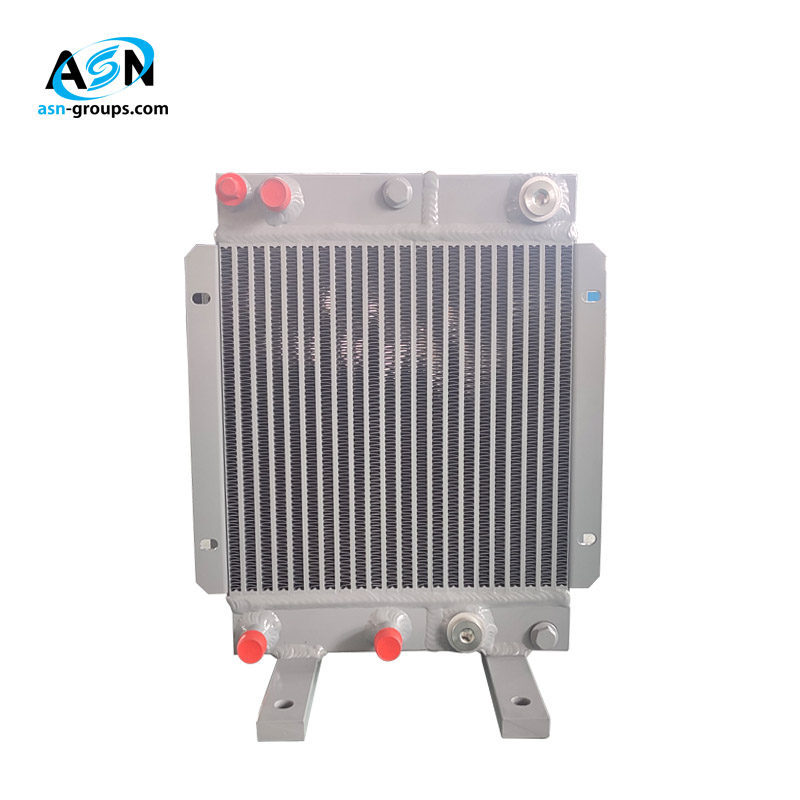
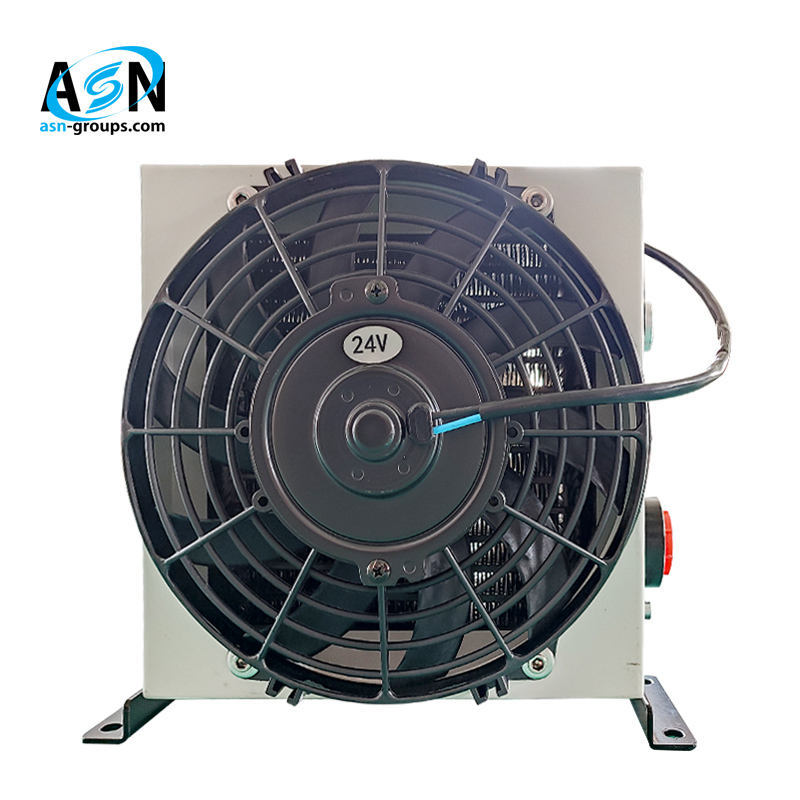
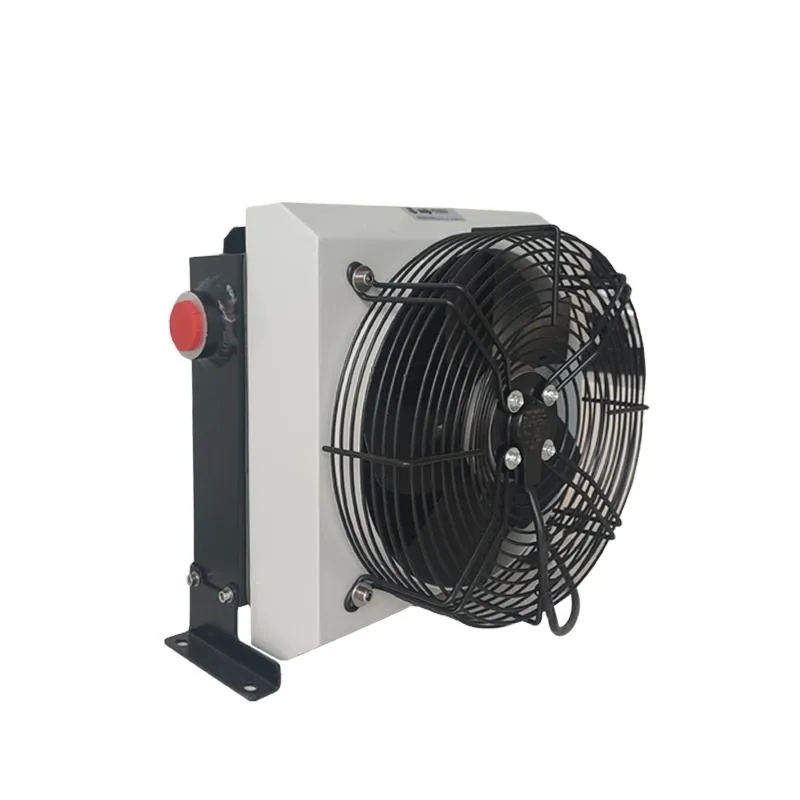
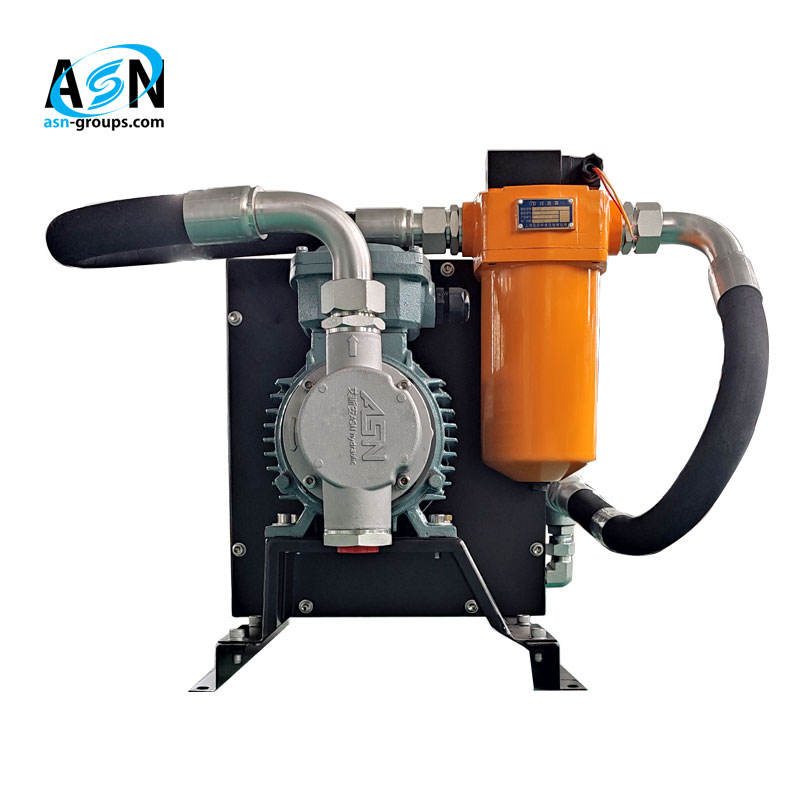
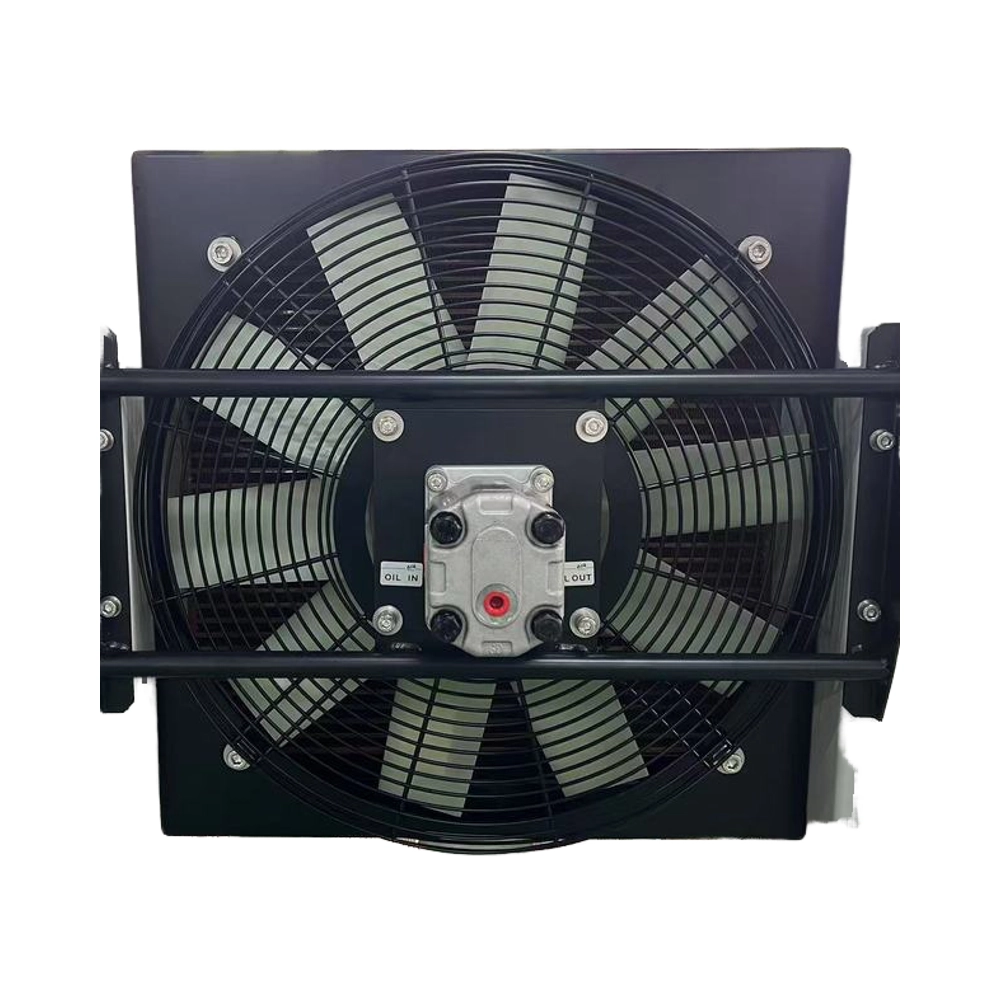
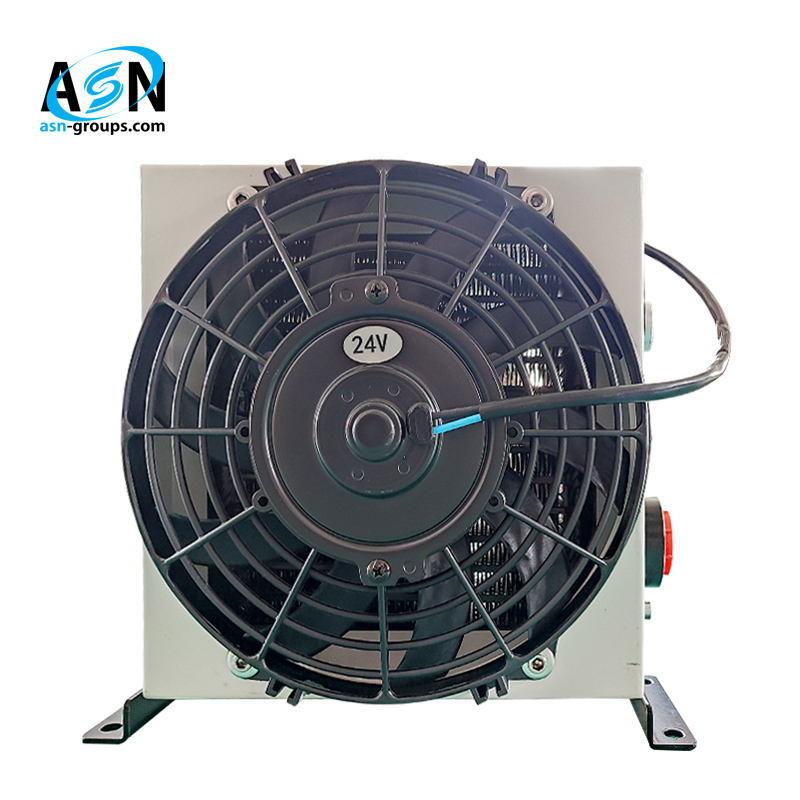
Compare return line and offline bypass AC hydraulic oil cooler systems to choose the right cooling solution for reliable hydraulic performance and longer equipment life.
This guide explains the design, components, and applications of a self circulation cooling system, highlighting how it improves hydraulic oil temperature control, efficiency, and equipment reliability in industrial systems.
Plate heat exchanger fouling, gasket aging, flow maldistribution, and material corrosion cause thermal efficiency loss. Learn how to diagnose and fix these issues.
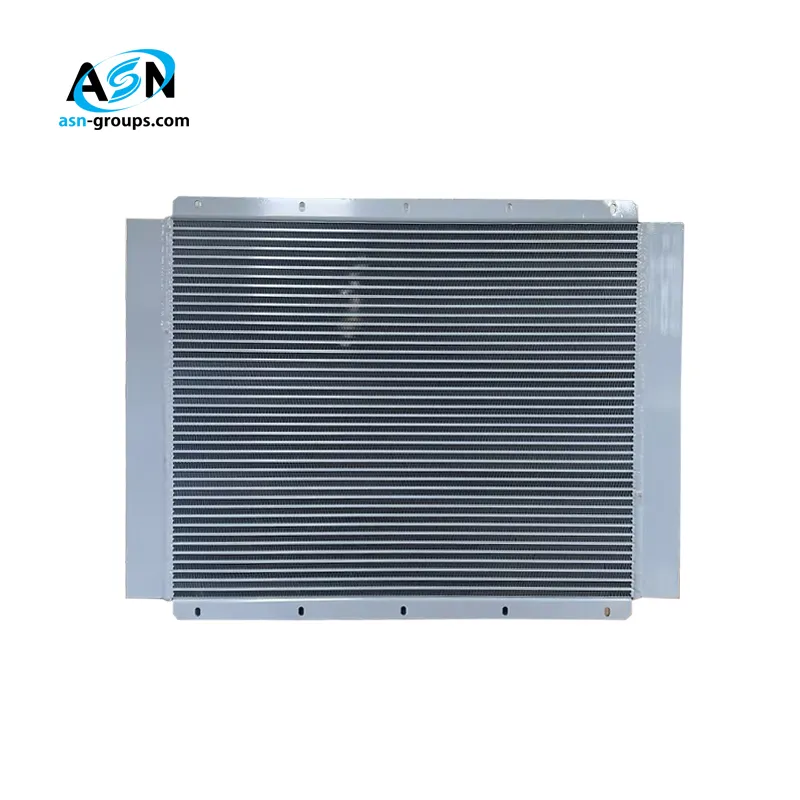
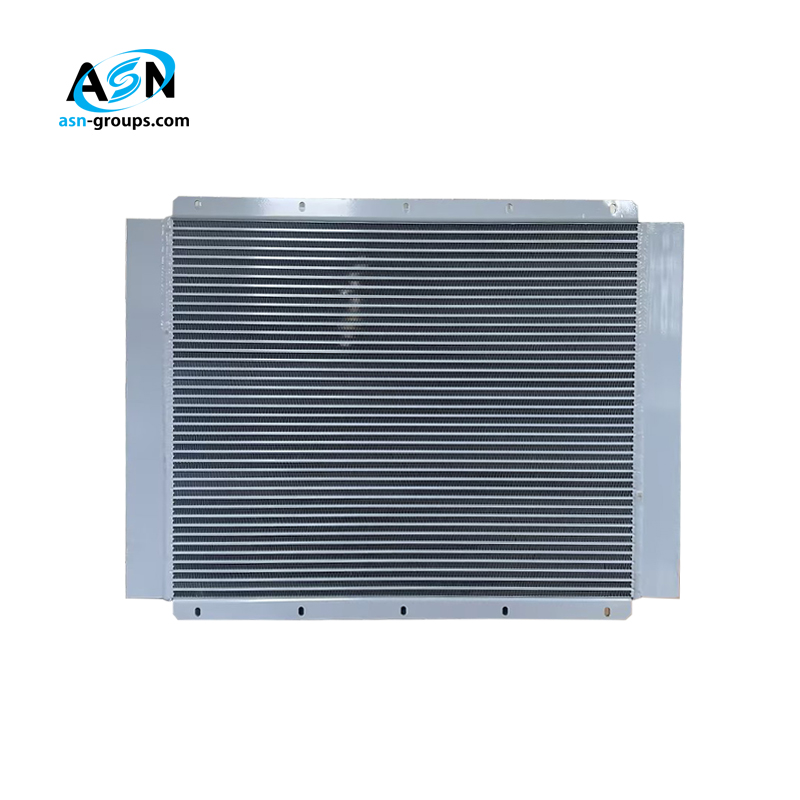
Air-cooled hydraulic oil coolers suit mobile or remote use with lower cost; water-cooled units handle high heat loads in stationary plants. The better choice depends on your environment and budget.
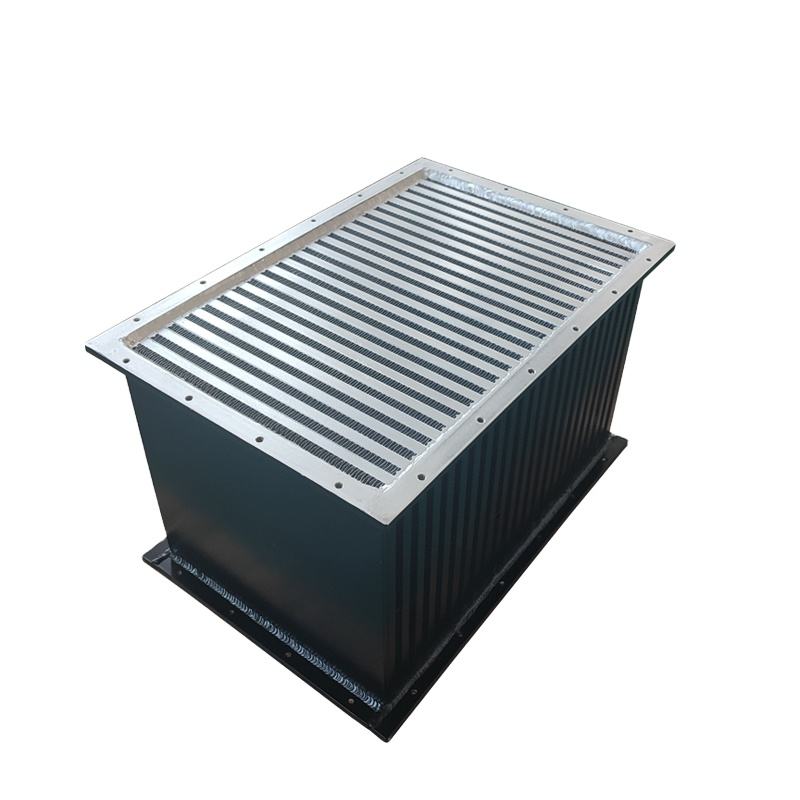
Compare air to air heat exchanger vs traditional AC. See which offers lower cost, less maintenance, and reliable cooling for your industrial enclosure.
CNC machine tool cooling is key to precision and cost control. Discover why counter flow water oil coolers save energy, reduce thermal errors, and cut your operating budget—backed by real data and expert insights.
Plate heat exchanger failures cause engine overheating, oil contamination, and catastrophic damage. Learn symptoms, failure modes, and maintenance strategies to protect your engine.